

Confused About Bar Ice Makers? Here's What You Need to Know
Why Your Bar's Success Depends on the Right Ice Maker
A bar ice maker is one of the most critical pieces of equipment in any bar, restaurant, or pizzeria that serves beverages. Understanding the different types of ice makers and how they impact your drinks is essential for any bar owner or manager.
Quick Answer: What You Need to Know About Bar Ice Makers
- Ice Types: Gourmet cubes (clear, slow-melting), nugget ice (chewable, flavor-absorbing), crescent cubes (versatile workhorse), flake ice (for blended drinks)
- Production Capacity: Ranges from 80 lbs/day (small bars) to 600+ lbs/day (high-volume establishments)
- Installation Types: Undercounter (space-saving), built-in (seamless look), freestanding/modular (high-capacity)
- Key Features: Daily production rate, storage bin size, cooling type (air vs. water), drain requirements, energy efficiency
- Top Brands: Hoshizaki, Scotsman, Ice-O-Matic, Manitowoc, U-Line
- Cost: Initial purchase ($1,500-$5,000+), plus installation, utilities, and maintenance
Dealing with bags of ice from the store or running out during your busiest hours is frustrating and costly. The right bar ice maker ensures you always have the perfect ice for every drink—from crystal-clear cubes for premium whiskey to chewable nugget ice for cocktails.
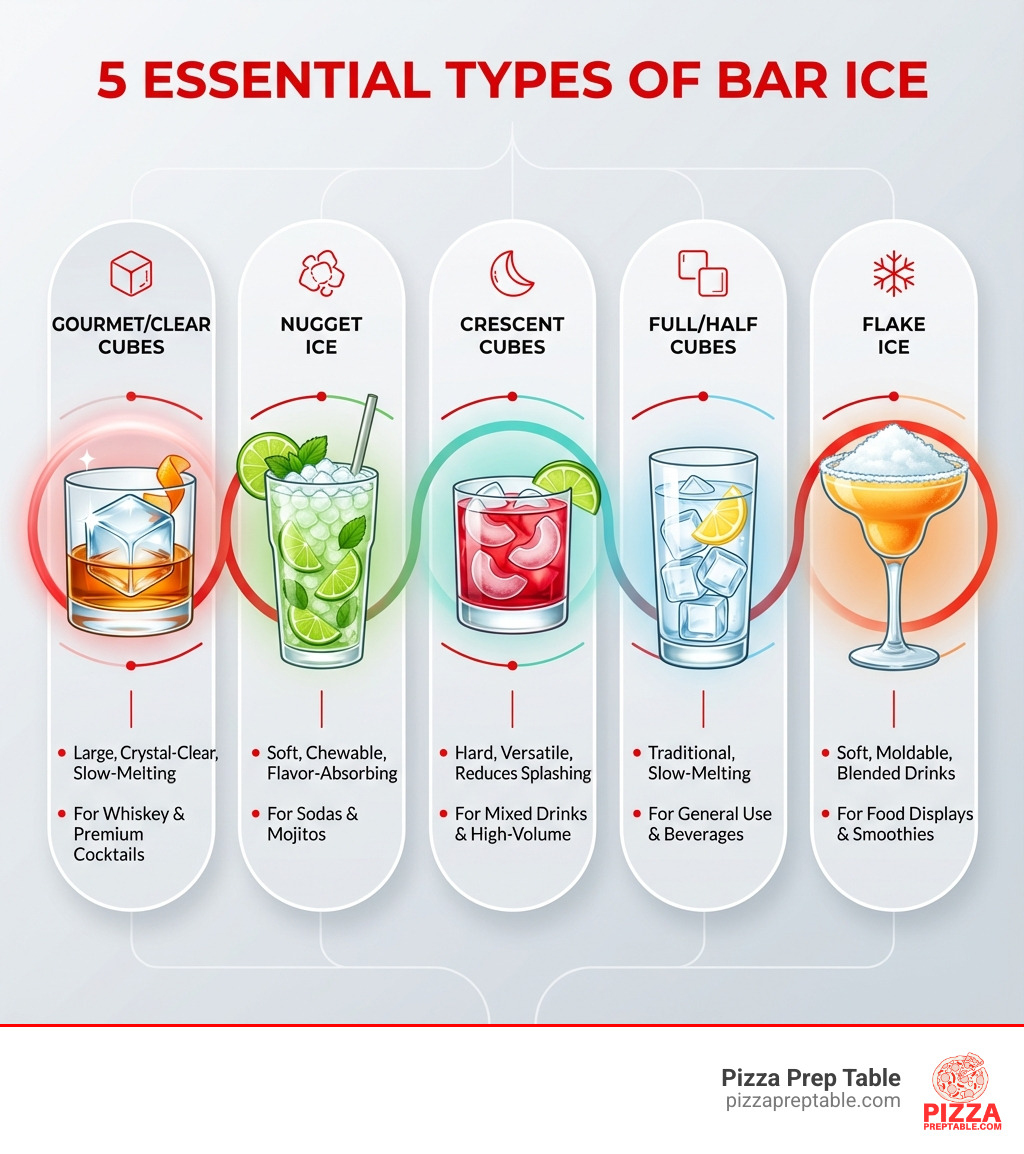
The type of ice you serve matters. Clear gourmet cubes melt slowly and won't dilute expensive spirits. Nugget ice absorbs flavors and cools drinks quickly. Crescent cubes reduce splashing and work well for high-volume service. Each ice type has a specific purpose, and choosing the right one can lift your drink quality and customer satisfaction.
Beyond ice quality, you need to consider production capacity, storage space, and installation requirements. A small pizzeria might need 100 pounds of ice per day, while a busy cocktail bar could require 500 pounds or more. Undercounter models save space but have lower capacity. Modular units produce more ice but need dedicated floor space and storage bins.
Selecting the right commercial equipment is key to changing a beverage program and avoiding costly headaches. A reliable bar ice maker is a cornerstone of that success.
The Heart of the Drink: How Ice Shapes Your Cocktails
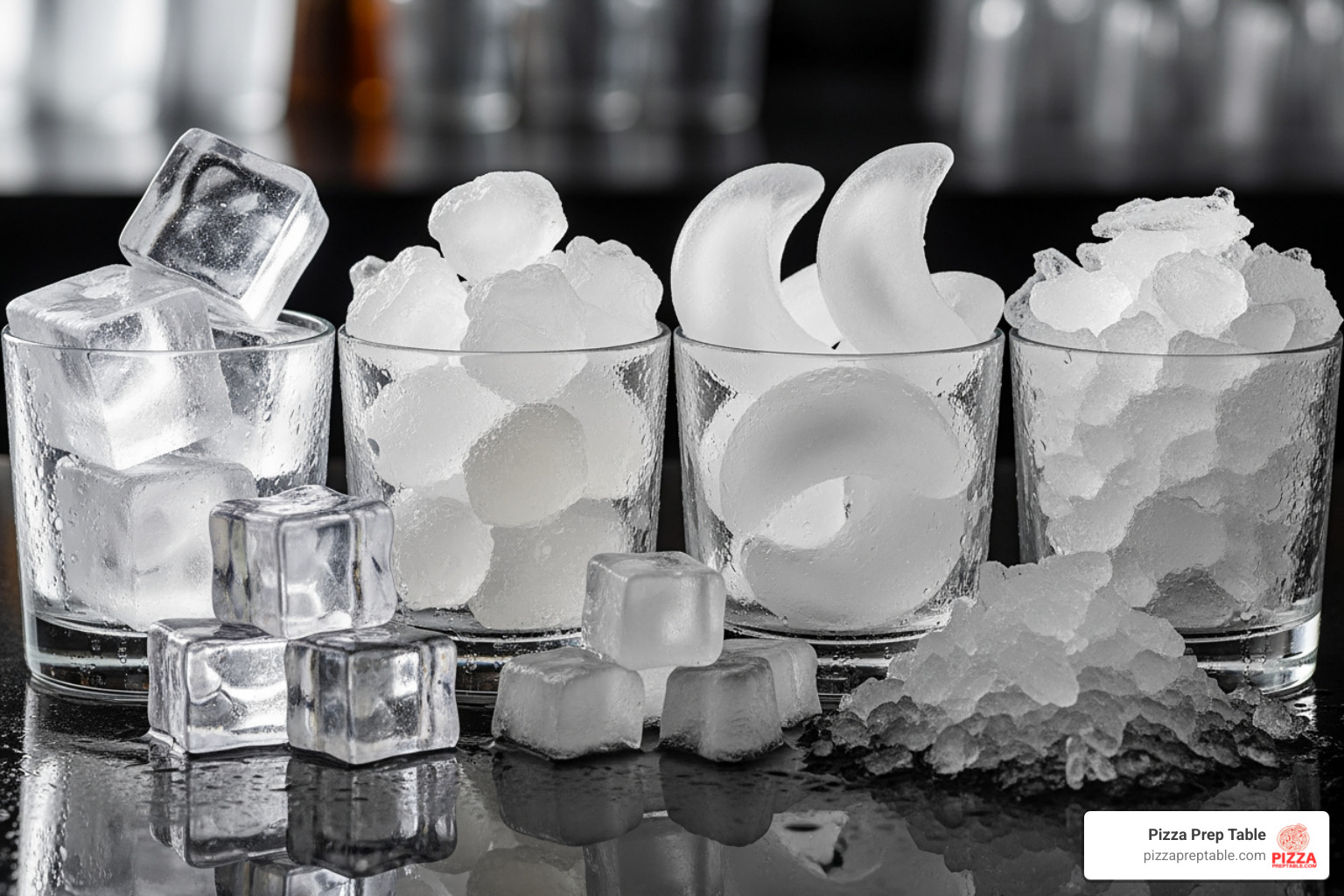
Ice is more than just frozen water; it's a crucial ingredient that impacts the dilution, presentation, and overall drinking experience. The choice of ice can make or break a cocktail, affecting everything from taste to how long a drink stays cold.
The Connoisseur's Choice: Gourmet & Clear Cube Ice
For premium spirits, gourmet and clear cube ice are unparalleled. These large, hard, and crystal-clear cubes melt slowly, causing minimal dilution of high-end liquors. This ensures that the true flavors of cocktails like an Old Fashioned or a fine whiskey on the rocks remain untainted. Brands like Hoshizaki and Scotsman pride themselves on producing taste-free, odorless ice. The stunning presentation of a perfectly clear, large ice cube also adds a touch of luxury, justifying a premium price point. You can even Watch Legacy & Brilliance® Gourmet Cubers to see how this premium ice is made.
The Crowd-Pleaser: Nugget Ice
Nugget ice, often called "The Original Chewable Ice®" by Scotsman, is a fan favorite for its soft, chewable texture. This porous ice absorbs beverage flavors and cools drinks quickly, making it ideal for soft drinks, Mojitos, and Juleps. It's also a great choice for smoothies and blended drinks, offering a delightful texture. For inspiration, you can explore some Nugget Recipe Cards for creative drink ideas.
The Workhorse: Crescent & Full/Half Cube Ice
Crescent and full/half cube ice are the versatile workhorses of the bar industry. These hard, slow-melting cubes are perfect for high-volume operations. Crescent-shaped ice, famously produced by Hoshizaki, is designed to reduce splashing and prevent clumping, making it easy to scoop. Full and half-sized clear cubes are also hard and melt slowly, making them excellent for mixed drinks, soft drinks, and ice bagging. Their robust nature makes them suitable for nearly any beverage, providing reliable chilling and minimal dilution.
The Specialist: Flake Ice
Flake ice is known for its soft, light, and moldable texture. Its high surface area allows for rapid cooling, making it ideal for blended drinks such as Margaritas and Daiquiris. Beyond beverages, flake ice is crucial for food presentation, often used to keep seafood displays and salad bars fresh and chilled. Its gentle nature also makes it useful for therapeutic ice packs.
Choosing the Perfect Commercial Bar Ice Maker
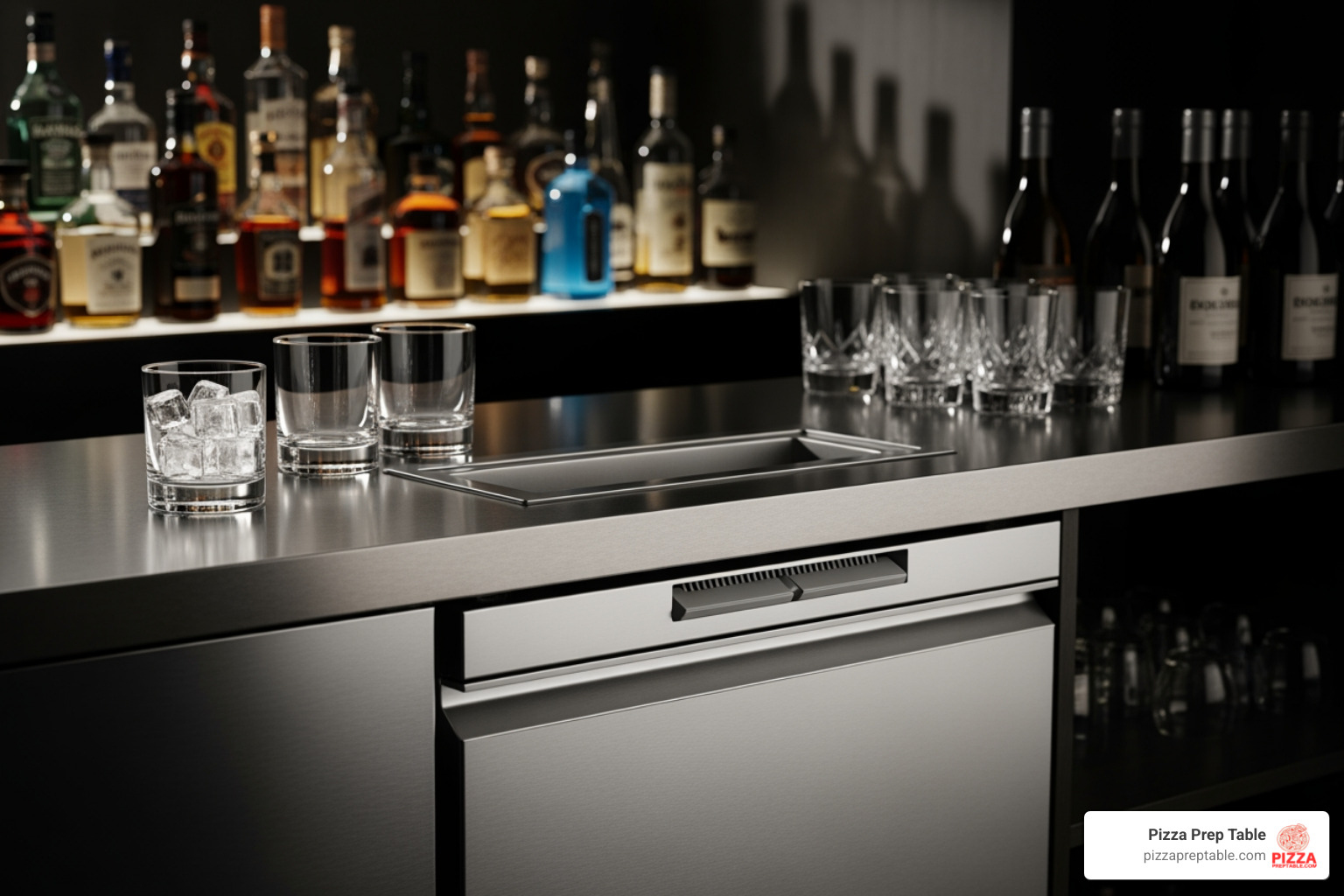
Selecting the right commercial bar ice maker means having the right ice, in the right quantity, exactly when you need it. Consider production capacity, storage, footprint, cooling system, and energy consumption to ensure the efficiency and profitability of your bar.
Key Features for Your Bar Ice Maker
To pick the ideal machine, evaluate these key features:
Production Capacity (lbs/24h): The amount of ice the machine produces in 24 hours. Commercial models range from 80 lbs to over 600 lbs per day. A good estimate is 1.5 lbs of ice per customer, or up to 3 lbs for high-volume cocktail bars.
Storage Bin Capacity (lbs): The bin must be large enough to hold ice for peak demand. Capacities vary from small 12-lb bins to massive 560-lb bins for modular units.
Ice Type: As discussed, the ice type directly impacts drink quality. Ensure the machine produces the specific ice you need, whether it's clear cubes or chewable nugget ice.
Dimensions (Width, Depth, Height): Space is a premium in bars. Measure your available space precisely to ensure the unit fits without impeding workflow. Undercounter models are often 15-18 inches wide, while modular units can be 24-30 inches wide.
-
Air-cooled vs. Water-cooled Units: This refers to how the condenser is cooled.
- Air-cooled units are common and energy-efficient, using fans to draw in ambient air. They require 6-12 inches of clearance for airflow and work best in well-ventilated areas.
- Water-cooled units use a continuous flow of water to cool the condenser. They are quieter and more efficient in hot, confined spaces but consume a significant amount of water.
-
Drain Requirements (Gravity vs. Drain Pump): All ice makers produce meltwater.
- A gravity drain is the simplest method, requiring the ice maker to be positioned above a floor drain.
- A drain pump is necessary if a floor drain isn't available or is located above the unit's outlet. Many undercounter models offer this as an option.
Installation Types: Undercounter, Built-in, and Freestanding
The physical setup of your bar ice maker impacts your bar's layout. The three main types are:
Undercounter Ice Makers: These space-saving units fit neatly under standard 34-inch high counters, perfect for smaller operations needing a dedicated ice supply without sacrificing floor space.
Built-in Ice Makers: Similar to undercounter models, these are designed for a seamless, integrated look within custom cabinetry. They often require front ventilation to allow proper airflow.
Freestanding/Modular Units: For high-capacity needs, these units consist of a separate ice-making head and a dedicated storage bin. This setup is common in high-volume environments where a continuous, substantial supply of ice is non-negotiable.
Energy Efficiency and Top Brands
Energy efficiency is a smart business decision that impacts operational costs.
ENERGY STAR® Certified Models: We recommend ENERGY STAR® certified ice makers, which meet strict energy efficiency guidelines. This translates directly into reduced utility costs and a smaller environmental footprint.
-
Top Brands: The commercial ice maker market includes several reputable brands known for durability and innovation:
- Hoshizaki: Renowned for quality, efficiency, and a wide variety of ice types, including their signature crescent ice.
- Scotsman: Famous for inventing nugget ice and their crystal-clear gourmet cubes.
- Ice-O-Matic: Known for reliable performance and features like antimicrobial protection.
- Manitowoc: A leading manufacturer of high-capacity commercial ice machines.
- U-Line: A pioneer in undercounter ice makers.
- Other notable brands include EUHOMY, VEVOR, and Coolake, which offer a range of commercial models.
Here's a comparison of some representative models from popular brands:
| Feature | Hoshizaki KM-301BAJ (Crescent Cuber) | Scotsman Brilliance® Nugget Ice Machine (Residential-Grade Commercial) | EUHOMY Commercial Ice Maker (High-Capacity) |
|---|---|---|---|
| Ice Type | Crescent Cubes | Nugget Ice | Full/Half Cubes (often) |
| Daily Production | 290 lbs/day | 24-38 lbs/day | 400 lbs/day (some models up to 680 lbs/day) |
| Storage Capacity | 100 lbs | 26-38 lbs | 250 lbs (some models up to 560 lbs) |
| Installation Type | Undercounter/Modular | Undercounter/Freestanding | Freestanding/Undercounter |
| Cooling | Air-cooled | Air-cooled | Air-cooled (most common) |
| Key Features | CycleSaver™, EverCheck™ | Chewable ice, quick cooling | Auto-cleaning, quick production (11-20 min) |
| Energy Star Certified | Yes (specific models) | Yes (specific models) | Yes (specific models) |
Installation, Cleaning, and Cost of Ownership
Investing in a bar ice maker requires proper setup and maintenance to ensure its longevity, performance, and hygiene. Understanding the total cost of ownership is key to maintaining profitability.
Installation Requirements
Installing a commercial bar ice maker involves specific plumbing, electrical, and ventilation considerations.
- Plumbing: Most units require a dedicated incoming water line (often 1/2" FPT) with water pressure between 10-113 psig.
- Water Filtration System: We highly recommend installing a water filtration system. It produces clearer, better-tasting ice and protects internal components from mineral buildup (scale). Many manufacturers offer extended warranty coverage on parts like the evaporator if a specific water filter is used.
- Floor Drain or Drain Pump: A gravity drain system, where the unit is above a floor drain, is ideal. If a floor drain isn't accessible, a drain pump is essential to remove meltwater.
- Electrical Requirements: Ice makers need a dedicated circuit with the correct voltage (e.g., 115V or 208-230V) and amperage. Always consult the manufacturer's specifications and use a qualified electrician.
- Proper Ventilation: Air-cooled units need adequate clearance (often 6-12 inches) on the sides and back for airflow. Without it, they can overheat and reduce ice production. Some models feature "front in, front out" airflow, which is excellent for built-in installations.
Maintenance for Your Bar Ice Maker
Regular maintenance is crucial for a long-lasting, efficient, and hygienic bar ice maker. Neglecting it can lead to costly breakdowns and health code violations.
- Regular Cleaning Schedule: Adhere to a strict cleaning schedule to prevent the buildup of scale, slime, and mold. Many modern units feature auto-cleaning functions, but manual cleaning is still necessary.
- Sanitize All Food-Zone Components: All parts that contact ice or water, such as the bin and evaporator, must be regularly cleaned and sanitized. Some manufacturers design these components to be dishwasher-safe.
- Clean or Replace Water Filters: Replace water filters according to manufacturer recommendations, typically every 3-6 months, to maintain water flow and ice quality.
- Professional Servicing: Schedule professional servicing at least once or twice a year. Technicians can perform deeper cleaning, inspect components, and address potential issues before they become major problems.
Calculating the Total Cost of Ownership
The sticker price is just one part of the investment. The total cost of ownership (TCO) includes:
- Initial Purchase Price: This can range from around $1,000 for smaller units to over $5,000 for high-capacity modular systems.
- Installation Costs: Factor in the cost for a licensed plumber and electrician.
-
Ongoing Operational Costs:
- Electricity Usage: This adds up over time. Choosing an ENERGY STAR® certified model can significantly reduce these costs.
- Water Consumption: Water-cooled units are heavy water users. Even air-cooled units use water for ice production and cleaning.
- Maintenance and Repairs: This includes the recurring cost of water filters, cleaning chemicals, and any unexpected repair calls.
- Typical Lifespan: With proper maintenance, commercial ice makers typically last 7-10 years, significantly longer than residential models.
How a Bar Ice Maker Boosts Efficiency and Profitability
In a bar, a reliable ice supply is a cornerstone of operational efficiency and profitability. A breakdown during a busy night highlights why the right bar ice maker is an indispensable asset.
A high-performing ice maker ensures a continuous supply of ice, preventing service interruptions. No more running to the store for bags of ice, which is inefficient and costly. This translates directly into faster service, allowing bartenders to serve more customers during peak hours and increase revenue.
The right ice maker also contributes to consistent drink quality. By producing the ideal ice for each beverage—whether it's slow-melting gourmet cubes or soft nugget ice—you maintain the integrity of every drink. This consistency builds customer loyalty and improves your bar's reputation. The ability to deliver a superior product means you can often charge a premium for craft cocktails featuring specialty ice, directly boosting profitability.
Finally, an efficient bar ice maker frees up valuable staff time. Instead of managing ice inventory, your team can focus on crafting exceptional drinks and providing excellent customer service. This optimized workflow is crucial for maximizing output and ensuring every customer leaves satisfied.
Frequently Asked Questions about Bar Ice Makers
Here are answers to some of the most common questions we get about bar ice makers.
How much ice does a bar need per day?
The amount of ice needed depends on your bar's size, customer volume, and drink menu. As a general rule, plan for 1.5 lbs of ice per customer. For high-volume cocktail bars that serve many blended or "on the rocks" drinks, it's safer to estimate 3 lbs of ice per customer. For example, a bar expecting 200 customers on a busy night should have an ice maker that can produce and store at least 300-600 lbs of ice to meet peak demand.
What's the difference between an air-cooled and a water-cooled ice maker?
The difference is how the machine's condenser releases heat.
-
Air-Cooled Units:
- Pros: More common, generally more energy-efficient, and lower water consumption.
- Cons: Require ample clearance (6-12 inches) for airflow, can be louder, and are less efficient in hot, poorly ventilated areas.
- Best for: Most bars with good ventilation and moderate ambient temperatures.
-
Water-Cooled Units:
- Pros: Quieter, more efficient in hot or confined spaces, and performance is not affected by ambient temperature.
- Cons: Consume a significant amount of water for cooling, require extra plumbing, and have higher utility costs if water is expensive.
- Best for: Bars in very hot climates, kitchens with poor ventilation, or where noise is a major concern.
Can I use a residential ice maker in my bar?
We strongly advise against using a residential ice maker in a commercial bar. Here's why:
- Production and Durability: Commercial units are built for continuous, high-volume use (80-600+ lbs/day). Residential models are not designed for this workload and will fail prematurely.
- Health and Safety Standards: Commercial ice makers must meet health and safety certifications (like NSF). Residential models do not, posing a potential health risk and leading to code violations.
- Warranty: Using a residential appliance in a commercial setting almost always voids the warranty, leaving you to pay for all repairs.
While cheaper upfront, a residential unit will be far more expensive in the long run due to breakdowns, lost sales, and potential fines. Investing in a proper commercial bar ice maker is a necessity.
Conclusion
Choosing the right bar ice maker is a foundational decision that profoundly impacts your business. It's a key player in drink quality, operational efficiency, and ultimately, your profitability. By carefully considering the various ice types and their applications, accurately assessing your production needs, and evaluating the available space for installation, we can make an informed choice that serves our bar well for years to come.
Regular maintenance is non-negotiable for ensuring a long lifespan and hygienic ice for our customers. From understanding the nuances of air-cooled versus water-cooled systems to calculating the total cost of ownership, every detail contributes to a smart investment.
For a wide selection of commercial ice machines and other essential restaurant equipment, Pizza Prep Table offers robust solutions designed to meet the demands of any establishment, from small pizzerias to busy bars in cities like New York City, Los Angeles, and Chicago. We also provide flexible financing options to help you acquire the equipment you need without straining your budget.
Explore ice machine leasing options to find the perfect fit for your business today.