

From Concept to Counter: Navigating Commercial Kitchens in Boston
Why Commercial Kitchen Boston Options Are Essential for Food Entrepreneurs
Commercial kitchen Boston facilities offer food entrepreneurs a fast, affordable path to launch without the million-dollar buildout of a traditional restaurant. Here's what you need to know:
Quick Answer: Types of Commercial Kitchens in Boston
- Shared-Use Kitchens - Rent by the hour or month, share space with other food businesses
- Ghost Kitchens - Delivery-only spaces starting at $30k (vs. $1M+ for brick-and-mortar)
- Commissary Kitchens - Licensed facilities for food trucks, caterers, and meal prep services
- Incubator Kitchens - Include business development support and networking (like CommonWealth Kitchen)
- Private Rental Kitchens - Dedicated space with 24/7 access (200-2,000 sq ft typical)
While Boston's food scene thrives, high overhead costs make traditional restaurants a risky venture for startups. Commercial kitchens solve this by providing licensed, fully-equipped spaces, allowing you to focus on your food instead of facility management.
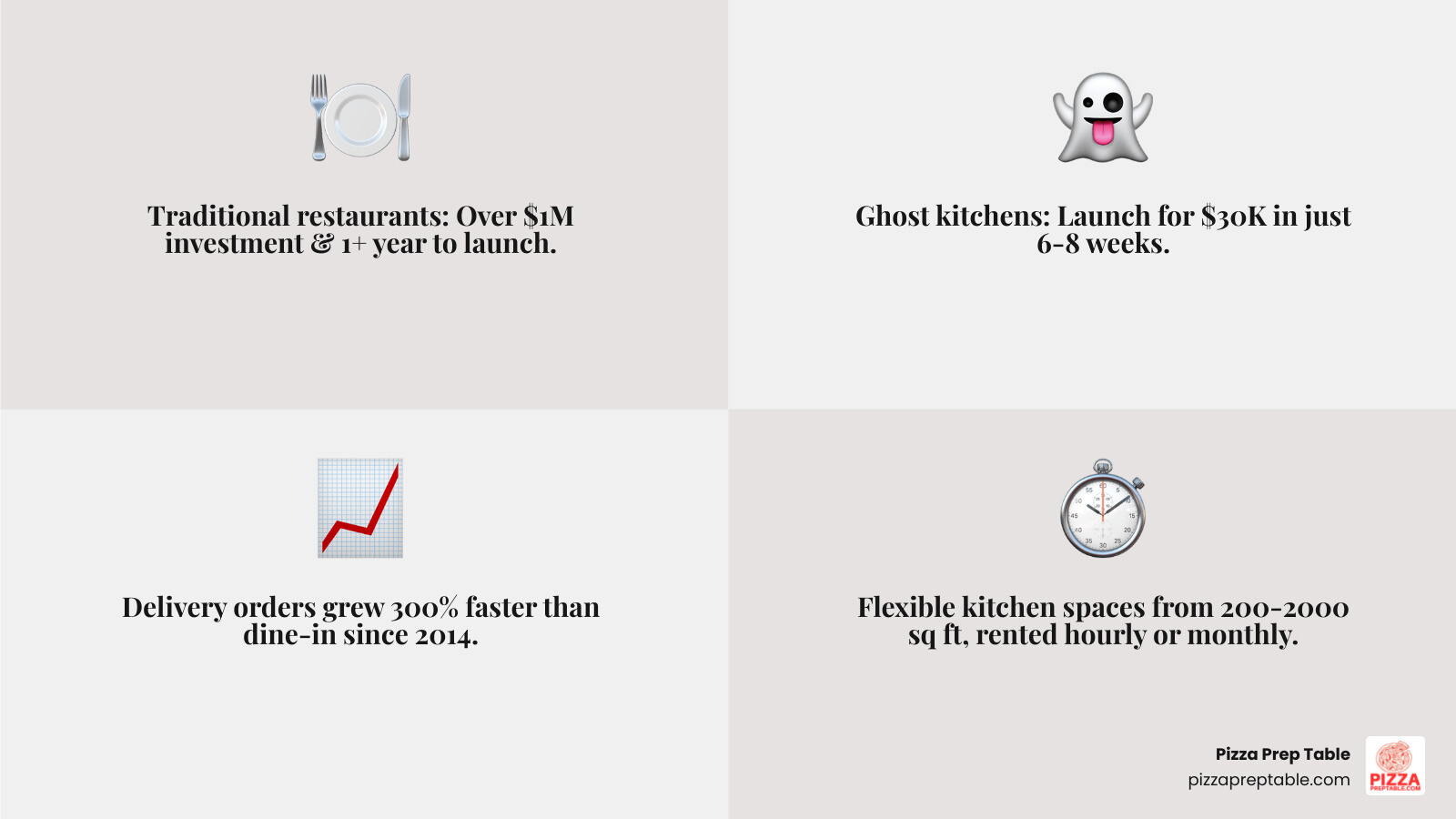
The numbers are compelling: launching a ghost kitchen can cost as little as $30,000 compared to over $1 million for a traditional restaurant. You can be operational in as few as six weeks, not a year or more. When labor, real estate, and overhead costs drop, your profits can climb.
These shared spaces also connect you to Boston's vibrant food community, offering business support, networking, and guidance on everything from health permits to sourcing. Many kitchens also provide co-manufacturing services, helping you scale production without major capital investment.
I'm Sean Kearney, and I've spent years helping food entrepreneurs find the right equipment for their commercial kitchen Boston ventures. Understanding your kitchen options is the first step toward success, whether you're launching a food truck or testing a new delivery concept.
Types of Commercial Kitchens in Boston: From Shared Spaces to Ghost Kitchens
Boston's culinary scene offers a variety of kitchen solutions for entrepreneurs at every stage. Finding the right match for your business is key. Let me walk you through the commercial kitchen Boston landscape.

Commissary kitchens are the licensed home base for food trucks, caterers, and meal prep services. They provide a health-code-compliant headquarters for prep, storage, and cleaning, ensuring your off-site operation remains legal.
Shared-use kitchens are community hubs where you rent time by the hour or month, sharing equipment with other entrepreneurs. This model makes commercial-grade equipment accessible without a large investment. Facilities like Commonwealth Kitchen and Foundation Kitchen, Shared Culinary Workspace also provide mentorship and networking.
Ghost kitchens (or virtual kitchens) are delivery-only spaces with no storefront, optimized for fulfilling online orders. Companies like CloudKitchens offer these turnkey operations, allowing for rapid launches and the ability to run multiple virtual brands from a single kitchen.
Incubator kitchens expand on the shared-use model by adding comprehensive business development services. They nurture startups with mentorship, educational programs, and guidance on everything from permits to marketing. Commonwealth Kitchen is a leader in this area, focusing on inclusive entrepreneurship.
Private rental kitchens offer dedicated, 24/7 access when you've outgrown shared hours. These spaces range from 200 to 2,000 square feet and can be customized. Gate House Kitchens, for example, offers fully customizable private kitchens.
Key Kitchen Models Explained
Your choice depends on your business stage. Shared-use kitchens are great for startups needing flexibility, while ghost kitchens excel for delivery-focused brands. Private rentals are for scaled-up businesses needing more control and space.
| Feature | Shared-Use Kitchens | Ghost Kitchens | Private Rental Kitchens |
|---|---|---|---|
| Cost | Hourly/monthly rates, lower upfront | Lower upfront ($30k+), fixed monthly rate | Higher monthly rate, potentially more upfront customization |
| Flexibility | High (rent as needed) | High (delivery-focused, multiple concepts possible) | Moderate to High (dedicated space, 24/7 access) |
| Target User | Startups, caterers, food trucks, bakers, meal prep | Delivery-only brands, restaurants expanding delivery | Established small-to-medium businesses, large caterers |
| Amenities | Shared equipment, storage, community | Delivery integration, optimized for takeout, tech | Dedicated equipment, customizable layout, private storage |
| Business Model | Production, catering, product development | Online delivery, virtual brands | Scaled production, specific menu items |
Your business model should guide this decision. A baker can perfect recipes in a shared-use kitchen, a delivery-only concept fits a ghost kitchen, and a high-volume catering company needs a private space. The beauty of Boston's commercial kitchen Boston ecosystem is that you can evolve from one model to the next as your business grows.
The Strategic Advantages of Renting in Boston's Competitive Market
Boston's food scene is exciting but fiercely competitive. Renting a commercial kitchen Boston space provides a strategic edge that traditional restaurants lack, offering smart economics and operational flexibility.
Cost-Effectiveness: The most significant advantage is cost. You can launch a ghost kitchen for around $30,000, a fraction of the $1 million-plus needed for a traditional restaurant. This opens the door for passionate chefs who might otherwise be priced out.
Reduced Overhead: This low upfront investment leads to lower ongoing costs. Renting means you avoid property taxes, massive utility bills, and the expense of outfitting a kitchen from scratch. Lower overhead directly translates to higher profit potential.
Speed to Market: A traditional restaurant can take a year or more to open. With a commercial kitchen rental, you can be operational in as little as six weeks. This speed allows you to capitalize on culinary trends and start generating revenue quickly.
Flexibility: Rental models are inherently flexible. Whether you need hourly access for pop-ups, a monthly plan for a catering business, or a private kitchen with 24/7 access, you can find a solution. This adaptability lets you scale your commitment as your business grows.
Scalability: You can launch multiple virtual brands from a single ghost kitchen, reaching different customer segments without the cost of multiple storefronts. This model allows you to test new menus or pivot your concept with minimized risk.
Strategic Location: Many commercial kitchens are located in high-demand delivery zones. This gives you access to a proven customer base that's already ordering online—a market that has grown 300% faster than dine-in since 2014.
Community and Networking: Shared kitchens place you among fellow entrepreneurs who understand your challenges. Organizations like Commonwealth Kitchen improve this with business development support, marketing assistance, and networking events that provide immense value.
For food entrepreneurs serious about managing their finances wisely and exploring various funding options, our comprehensive guide on restaurant financing covers everything from equipment leasing to small business loans.
A Food Entrepreneur's Guide to Boston's Kitchen Regulations
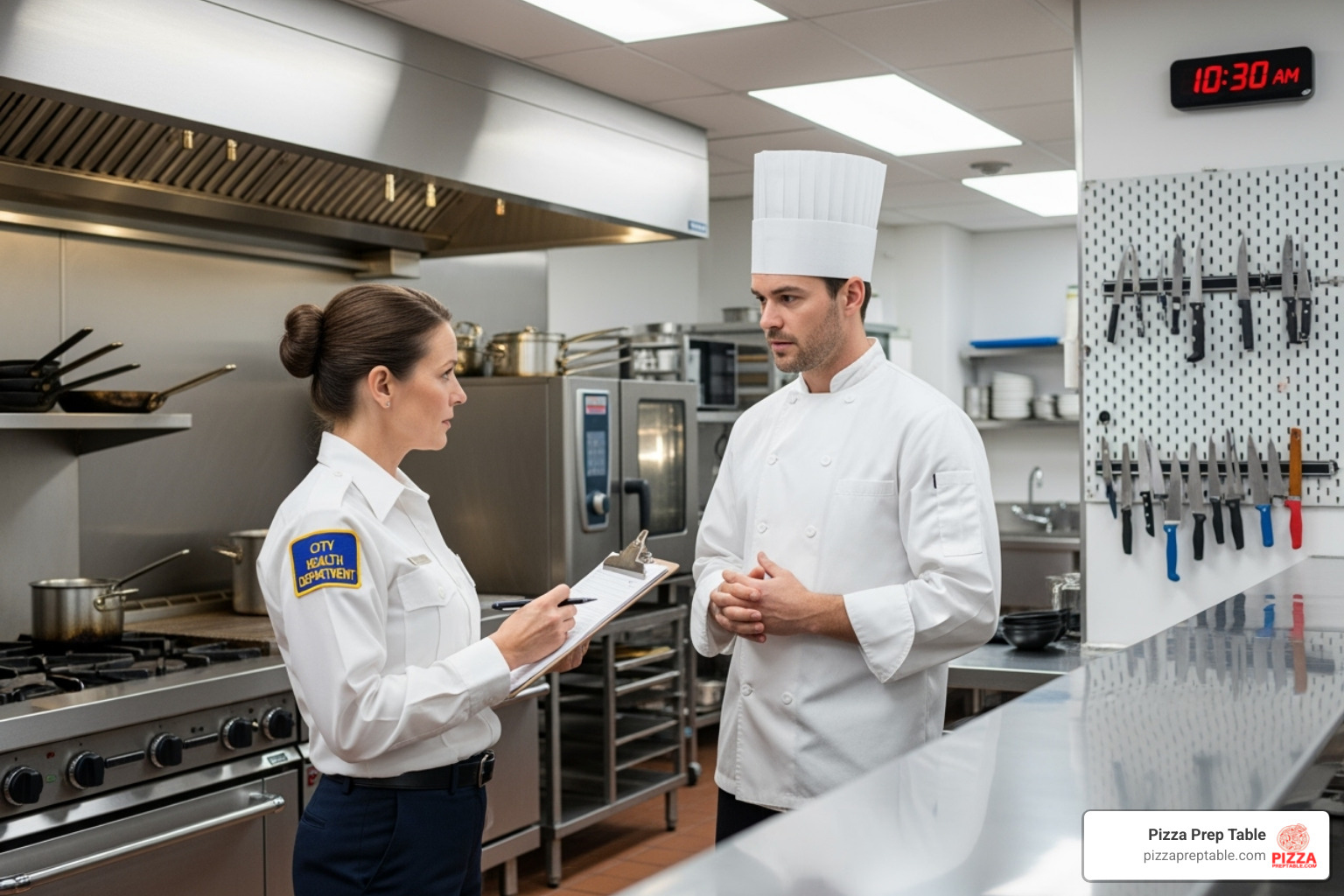
Launching your commercial kitchen Boston operation requires navigating a web of permits and health codes. Understanding these requirements from the start protects your business and your customers. Think of compliance as the foundation for your success.
Licensing and Permits
Before serving any food, you'll need several key permits. The Food Service Permit from the Boston Inspectional Services Department (ISD) requires a detailed floor plan, a food safety plan, and a successful inspection. You'll also need a Food Establishment License from the Boston Public Health Commission. This requires having at least one Certified Food Protection Manager (CFPM) on staff at all times and complying with the Massachusetts Food Code.
Additionally, every business needs a Business License from the city and an Employer Identification Number (EIN) from the IRS. Any significant construction or equipment installation will require Fire and Building Permits. It's wise to consult an architect specializing in food service operations to ensure your plans meet all requirements.
Boston-Specific Codes
Massachusetts has unique rules. Allergen awareness certification is mandatory for at least one person per shift. You must also post choking prevention posters in visible areas of your kitchen. These are legal requirements that inspectors will verify.
Health and Safety Standards
Boston's public health standards are rigorous. Here are the essentials:
- Equipment: All equipment must meet NSF (National Sanitation Foundation) standards, ensuring it is durable, easy to clean, and safe for food handling.
- Sinks: Every kitchen needs a three-compartment sink for washing, rinsing, and sanitizing. Separate, dedicated handwashing sinks are required in all prep and dishwashing areas, along with a mop sink for janitorial use.
- Grease Traps: The Massachusetts State Plumbing Code requires proper management of fats, oils, and grease to prevent them from entering the sewer system.
- Ventilation: A mechanical exhaust system with industrial hoods over all cooking equipment is critical. An integrated fire suppression system is non-negotiable for safety.
- Layout and Storage: Your layout must have separate zones for prep, cooking, dishwashing, and storage to prevent cross-contamination. Cold storage must maintain proper temperatures, and all surfaces should be non-porous and easy to sanitize.
For a complete overview, review Boston's guidelines on restaurant setup. Engaging with city inspectors early in your process can save significant time and money.
How to Find and Equip Your Ideal Commercial Kitchen Boston Space
Finding and equipping the right commercial kitchen Boston space is a critical step. Once you know the type of kitchen you need, it's time to locate it and ensure it has the right tools for your culinary vision.
Support Services
Many shared-use and incubator kitchens offer invaluable support services. These can include business development assistance (business planning, legal structures), marketing support (branding, digital marketing), and networking events to connect you with peers and industry experts. This support system can be a lifeline for new businesses, turning an overwhelming journey into a guided path to success.
How to find a commercial kitchen Boston space
Begin your search by casting a wide net. Online directories like The Kitchen Door offer searchable listings. Mass.gov resources often list shared-use kitchens across the state. However, direct outreach to facilities is often most effective, allowing you to book tours and get a feel for the community.
Here are some notable facilities to explore: Gate House Kitchens (ghost kitchens), Atlas Commercial Kitchen (shared-use), Clovers Kitchen, Commonwealth Kitchen (shared and co-manufacturing with business support), Foundation Kitchen, Shared Culinary Workspace (collaborative space), and CloudKitchens (delivery-focused ghost kitchens).
Essential equipment for your commercial kitchen Boston setup
Once you've found a space, ensure it's properly equipped. Most facilities provide a baseline of commercial-grade equipment, but knowing the essentials helps you evaluate your options.
- Space Size & Access: Spaces typically range from 200 to 2,000 sq ft. 24/7 access is a major advantage, offering the flexibility to work on your own schedule.
- Storage: Ample cold and dry storage, including walk-in refrigerators and freezers, is non-negotiable for protecting your ingredients.
- Ventilation: Industrial hoods and ventilation are required for safety and compliance, ensuring proper air circulation.
- Sinks: A three-compartment sink is mandatory, but dedicated prep sinks and accessible handwashing sinks are crucial for an efficient, sanitary workflow.
- Appliances: Look for durable, NSF-rated commercial-grade appliances like ranges, ovens, and fryers that can handle high-volume production.
- Work Surfaces: Stainless steel prep tables are the standard for hygiene and durability. For pizzerias, a quality pizza prep table is essential. At PizzaPrepTable.com, we understand these needs. We offer a wide selection of tables, from compact 44-inch models to large 93-inch units, from trusted brands like Atosa, True, Dukers, and Kelvinator.
We also provide commercial refrigeration, griddles, and fryers, with financing options for purchases over $1,000. Investing in the right equipment from the start saves money in the long run.
For more insights, check out our guide on slicing up success: your guide to restaurant and pizza equipment in the windy city. The principles of choosing quality equipment apply everywhere.
Frequently Asked Questions about Boston Commercial Kitchens
Here are clear, concise answers to the most common questions we hear from food entrepreneurs about the commercial kitchen Boston market.
What are the average costs for renting a commercial kitchen in Boston?
Costs vary significantly based on kitchen type, location, and rental terms. Here's a general breakdown:
- Shared-Use Kitchens: Typically charge $20 to $50+ per hour. Monthly memberships may offer discounted rates.
- Ghost Kitchens: Can be launched for as little as $30,000 for initial setup, followed by a fixed monthly rate that is considerably lower than a traditional restaurant lease.
- Private Kitchens: Expect monthly rents from a few thousand dollars and up, depending on size (typically 200-2,000 sq ft) and location.
Always ask about additional costs like utilities, insurance, and cleaning fees, which may or may not be bundled into your rent.
What is the difference between a commissary kitchen and a ghost kitchen?
While both are commercial kitchens, they serve different functions.
A commissary kitchen is a licensed home base required for mobile food businesses like food trucks and caterers. It's used for legal and sanitary food prep, storage, and cleaning. The customer never sees this space.
A ghost kitchen is a strategic business model built for the food delivery market. It's a delivery-only operation with no storefront, optimized for fulfilling online orders efficiently. The customer interacts with the business only through delivery apps.
In short: a commissary is about compliance for off-site sales, while a ghost kitchen is about efficiency for online delivery.
What support services do Boston commercial kitchens typically offer?
The best commercial kitchen Boston facilities offer more than just space; they invest in your success. Common support services include:
- Business Development & Mentorship: Guidance on business planning, financial modeling, and scaling strategies.
- Licensing & Compliance: Assistance navigating Boston's permit requirements and health inspections.
- Marketing & Branding Support: Shared marketing resources, branding advice, and integrated technology like ordering kiosks.
- Networking Opportunities: Workshops and events to connect with peers, suppliers, and industry experts.
- Operational Support: Many facilities handle equipment maintenance, utilities, internet, cleaning, and waste management, simplifying your daily operations.
Conclusion: Launch Your Boston Food Business with Confidence
Boston's culinary scene is bursting with opportunity for food entrepreneurs. The smartest path to success is no longer a million-dollar buildout, but a strategic move into a commercial kitchen Boston facility. This approach offers a faster, more affordable, and flexible way to launch or scale your food business.
As we've covered, you can launch a ghost kitchen for as little as $30,000 in weeks, rent shared space by the hour, or secure a private kitchen as you grow. Facilities like Commonwealth Kitchen provide not just a kitchen, but a community with mentorship and business support.
However, compliance is non-negotiable. Adhering to Boston's health codes, from permits and certifications to using NSF-rated equipment, is the foundation of a professional operation that protects your customers and your reputation.
Equipping your kitchen correctly is just as crucial. Investing in quality, reliable equipment pays for itself in efficiency and durability. At PizzaPrepTable.com, we've equipped thousands of kitchens and know what it takes to succeed. We carry a wide range of pizza prep tables, from compact 44-inch models to large 93-inch units, from trusted brands like Atosa, True, Dukers, and Kelvinator. With financing options for purchases over $1,000, we make it easier to get the right equipment for your kitchen without straining your startup capital.
Boston rewards bold flavors and smart business decisions. By choosing the right commercial kitchen and equipping it properly, you set yourself up to focus on what matters most: creating food that people love. Launch your culinary dream with confidence.