

Pan-tastic Pies: A Roundup of 10-Inch Pizza Pans
Why the Right 10 in Pizza Pan Matters for Your Pizzeria
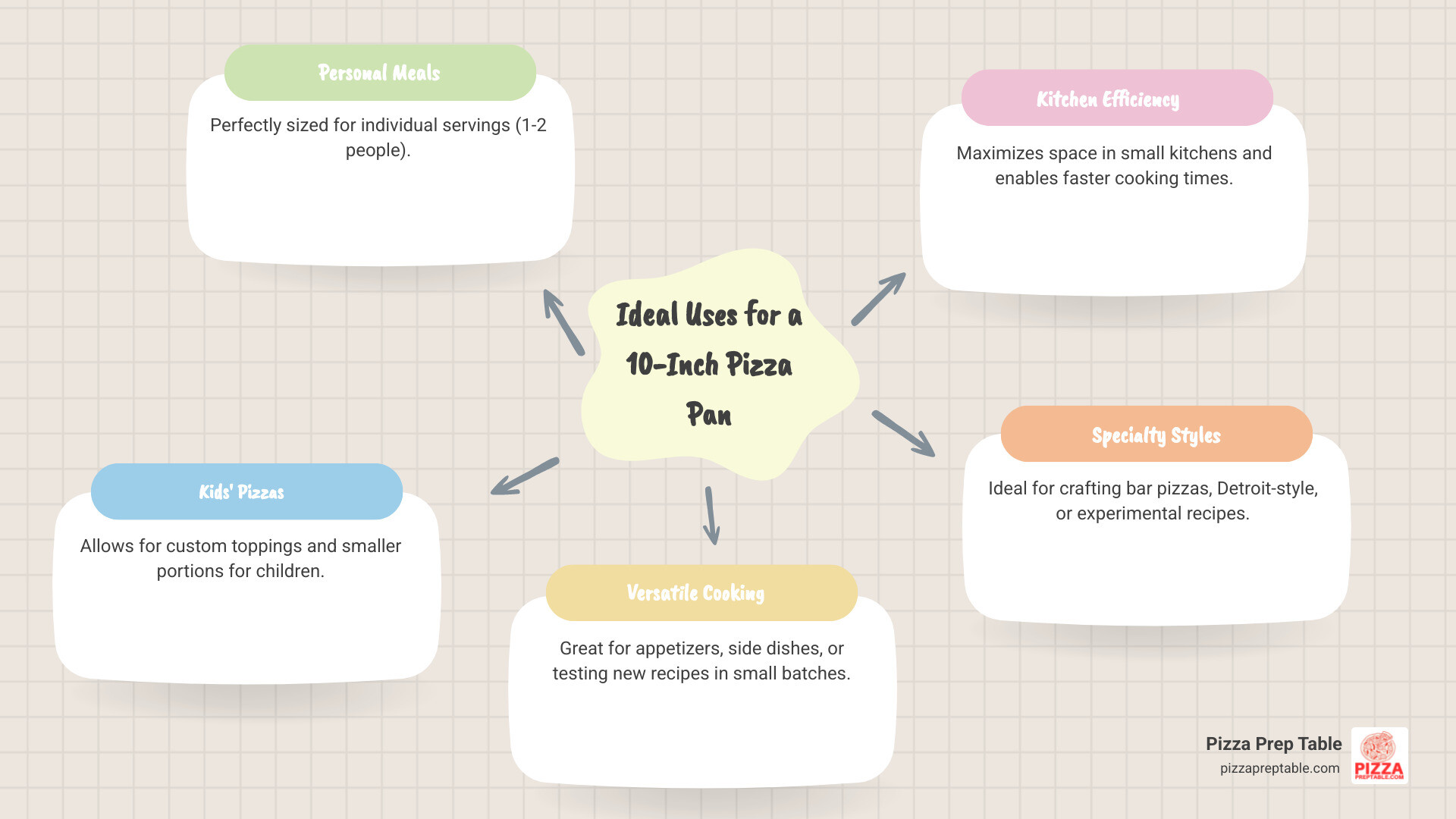
A 10 in pizza pan is the perfect size for personal pizzas, kids' meals, and small-batch baking in both home and commercial kitchens. For a professional pizzeria, the 10-inch pan isn't just another piece of equipment; it's a strategic tool for growth. It allows you to tap into the lucrative lunch crowd with personal-sized offerings, cater to families with customizable kids' meals, and experiment with new gourmet recipes without committing to a full-size pie. This versatility can significantly boost your average ticket size and attract a wider customer base, from solo diners in busy cities like New York and Chicago to families looking for quick, quality meals. Here's what you need to know when shopping for one:
Top 10-Inch Pizza Pan Options:
- American Metalcraft TP10 - Budget-friendly aluminum, $2.59+ per pan (min. 12). A workhorse for high-volume shops, its wide rim design makes it easy to handle, and the standard aluminum construction provides reliable, even heating.
- Vesteel Stainless Steel Set - Durable and dishwasher-safe, $12.99 for 2 pans. Ideal for kitchens prioritizing hygiene and low maintenance, stainless steel resists rust and corrosion and can handle the rigors of a commercial dishwasher.
- LloydPans Detroit Style - Premium pre-seasoned steel, $30.00+. This is the go-to for authentic Detroit-style pizza, with its heavy-duty anodized aluminum and PSTK finish creating the signature caramelized cheese crust (frico).
- Segarty Perforated Crisper - For extra-crispy crusts, $11.19+. Perfect for thin-crust styles or reviving frozen pizzas, the perforations ensure maximum airflow for a uniformly crispy bottom.
Key Features to Consider:
- Material: The choice of material directly influences bake time and crust texture. Aluminum is a fast conductor, great for quick bakes. Steel retains heat longer, creating a crispier, more robust crust. Stainless steel offers a balance of durability and easy maintenance, though it may require slightly longer bake times.
- Design: Beyond the basic shape, consider the rim. A wide rim provides stability and a handle, while a coupe or rimless style makes it easy to slide the pizza onto a serving board. Tapered sides allow for nesting, saving valuable storage space in a crowded kitchen.
- Gauge: The gauge, or thickness, of the metal is crucial. A lower gauge (e.g., 14 or 16) means a thicker, more durable pan that resists warping under intense heat. A higher gauge (e.g., 20 or 22) is lighter and heats up faster but may be less durable in the long run.
- Care: Proper care extends the life of your pans. Most professional-grade pans, especially aluminum and seasoned steel, should be hand-washed to protect their surface. Seasoning is a critical step for carbon steel and cast iron to build a natural non-stick layer.
Whether you're setting up your first pizzeria or upgrading your home kitchen, the right 10-inch pan makes all the difference. These pans are ideal for personal-sized pizzas that feed one to two people, and they're essential for offering customizable menu options without tying up your full-size ovens.
I'm Sean Kearney, and I've spent years helping restaurant owners find the perfect equipment for their kitchens, including the right 10 in pizza pan for every style and budget. From my early days in sales to working with commercial foodservice operations, I've seen how the right tools can transform a pizza operation's efficiency and profitability.
Understanding the Anatomy of a 10-Inch Pizza Pan
Not all 10 in pizza pans are created equal. In fact, the differences between pan types can dramatically affect your final crustfrom crispy and golden to thick and chewy. Whether you're running a busy pizzeria or perfecting your home pizza game, understanding these variations is essential to getting the results you want.
Pan Designs and Their Impact on Your Crust
The design of your 10 in pizza pan isn't just about looksit fundamentally changes how heat reaches your dough and how moisture escapes during baking.
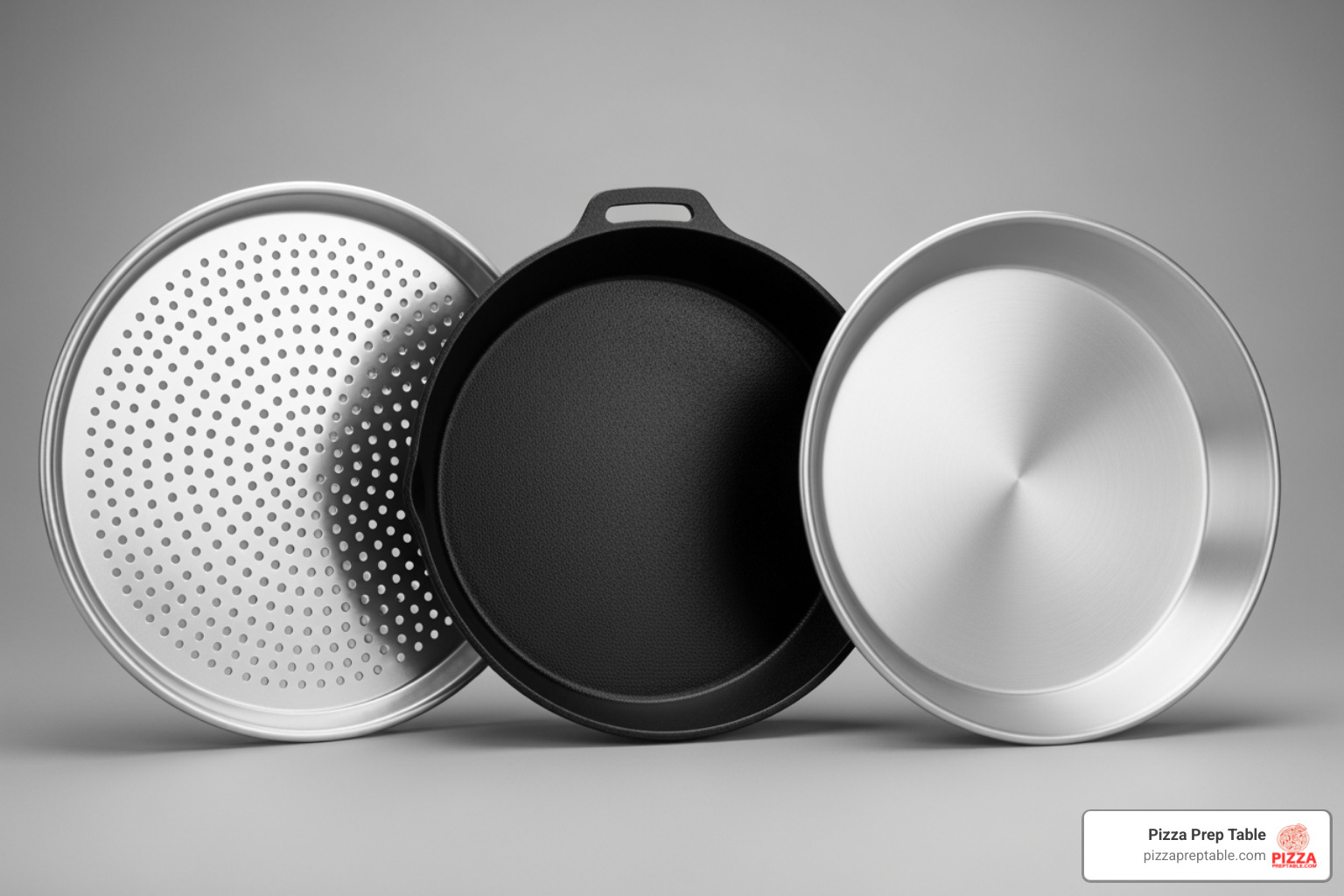
Solid pans are the workhorses of the pizza world. With their flat bottoms and sometimes wide rims, they deliver consistent, even heat across the entire crust. The solid, uninterrupted surface ensures that conductive heat is transferred directly and evenly from the oven deck to the pan's base. This process is key for developing a uniformly browned and sturdy crust that can support a generous amount of toppings without becoming soggy. This makes them perfect for New York-style pizzas where you want a nice brown bottom with some crispness but not too much char. The American Metalcraft TP10 10" Wide Rim Pizza Pan is a great exampleusers love its flat bottom for even baking, and that wide rim makes it easier to handle when you're moving pizzas in and out of hot ovens.
If you're after that ultra-crispy, crackling crust, perforated pans are your secret weapon. Those small holes aren't just decorativethey act as vents, allowing moisture released from the dough during the initial baking phase (oven spring) to escape immediately. This prevents steam from getting trapped under the crust, which is the primary cause of a soggy bottom. The hot air circulating through the holes also contributes to a faster, crispier bake through convection. The Segarty 10 inch Perforated Pizza Crisper is specifically designed for this purpose, and it's fantastic for thin-crust pizzas or even frozen pizzas that need extra help achieving that perfect crunch. We've covered more about these in our guide, Pan-tastic Pizza: Unveiling the Ultimate Crisper Pans.
For those who love a hearty, substantial slice, deep-dish pans are non-negotiable. With sides that typically rise 1.5 to 2.5 inches high, these pans are built for Chicago-style deep dish or the increasingly popular Detroit-style pizza. The high, straight sides of a Detroit-style pan are essential for creating the 'frico'the wall of crispy, caramelized cheese that is the hallmark of the style. The pan's material, typically black steel or hard-anodized aluminum, is chosen for its ability to absorb and radiate intense heat, effectively 'frying' the edges of the dough and cheese. The American Metalcraft T2010 10" x 1/2" Tin-Plated Steel Tapered / Nesting Deep Dish Pizza Pan is designed exactly for this. As Tony Gemignani notes in his authoritative book, "The Pizza Bible", these heavy steel pans are foundational for achieving the authentic texture and caramelized cheese crust that defines the style.
Wide rim pans offer practical benefits beyond just aesthetics. That sturdy edge makes handling much easier, especially when you're dealing with hot ovens and tight kitchen spaces. The rim also helps contain the crust, particularly useful for pizzas that puff up significantly during baking. The American Metalcraft TP10 10" Wide Rim Pizza Pan puts this design feature front and center.
You'll also find coupe style pans in many commercial settings. These feature slightly sloped, rimless edges that make it easier to slide the finished pizza off the pan and onto a plate or serving boarda small detail that speeds up service during busy dinner rushes.
Common Materials: Pros and Cons
The material your 10 in pizza pan is made from has a huge impact on how it performs, how long it lasts, and how much care it needs. Let's break down your main options.
Aluminum is lightweight and heats up quickly, making it ideal for busy kitchens where you're cranking out pizzas fast. It conducts heat evenly, which means you get consistent browning across the entire crust. While prone to warping under extreme temperature fluctuations (like moving from a 550F oven to a cool surface), modern aluminum pans are often made from heavy-gauge alloys (like 3003 series aluminum) to improve durability. Their light weight is a significant ergonomic advantage in a commercial kitchen where staff are handling dozens of pans per hour. We've explored aluminum pans in depth in our article, Unlock the Secrets of Your Aluminium Pizza Pan for the Ultimate Homemade Pie.
Steel panswhether carbon steel, tin-plated, or stainless steelare the heavy-duty champions. They're incredibly durable and retain heat beautifully, which is perfect for getting a crispy crust with good oven spring. The seasoning process for carbon steel involves applying a thin layer of oil and heating the pan until the oil polymerizes, creating a hard, slick, non-stick surface that improves with every use. Stainless steel is easier to maintain and doesn't need seasoning, though it doesn't conduct heat quite as well and is less 'non-stick' by nature. The Vesteel Stainless Steel Set offers durability with the convenience of being dishwasher-safe, while the LloydPans Detroit Style pan comes pre-seasoned and ready to deliver professional results right out of the box.
Cast iron offers superior heat retentiononce it's hot, it stays hot, giving you incredible crust results. The thermal mass of cast iron is its greatest asset. It absorbs a tremendous amount of heat and releases it slowly and evenly into the dough, mimicking the effect of a traditional pizza stone or brick oven floor. This results in an unparalleled 'oven spring' and a deeply browned, flavorful crust. These pans are heavy, though, which makes them less practical for high-volume commercial use but fantastic for home kitchens. Cast iron also requires regular seasoning and careful maintenance to prevent rust. If you're curious about how cast iron stacks up against other cooking surfaces, check out our comparison in Cast Iron vs. Pizza Stone: The Grill-Off for Perfect Homemade Pizza.
| Material | Heat Conductivity | Durability | Maintenance | Price |
|---|---|---|---|---|
| Aluminum | Heats quickly and evenly | Moderate; can warp over time | Hand wash; avoid abrasives | Budget-friendly ($2.59+) |
| Steel (Carbon/Tin-Plated) | Good heat retention; crispy results | Very durable | Requires seasoning; hand wash; oil to prevent rust | Mid-range ($12.99+) |
| Stainless Steel | Good conductivity | Very durable; resistant to warping | Easy to clean; dishwasher-safe | Mid-range ($12.99+) |
| Cast Iron | Superior heat retention | Extremely durable | Requires seasoning; hand wash; dry immediately | Higher-end ($30.00+) |
The right material depends on your priorities. If you're looking for affordability and quick heating, aluminum is hard to beat. For durability and professional-grade results, steel is the way to go. And if you want that traditional, heirloom-quality feel with incredible heat retention, cast iron delivers every time.