

Chill Out: Finding the Perfect Commercial Pellet Ice Maker
Why Your Business Needs a Commercial Pellet Ice Maker
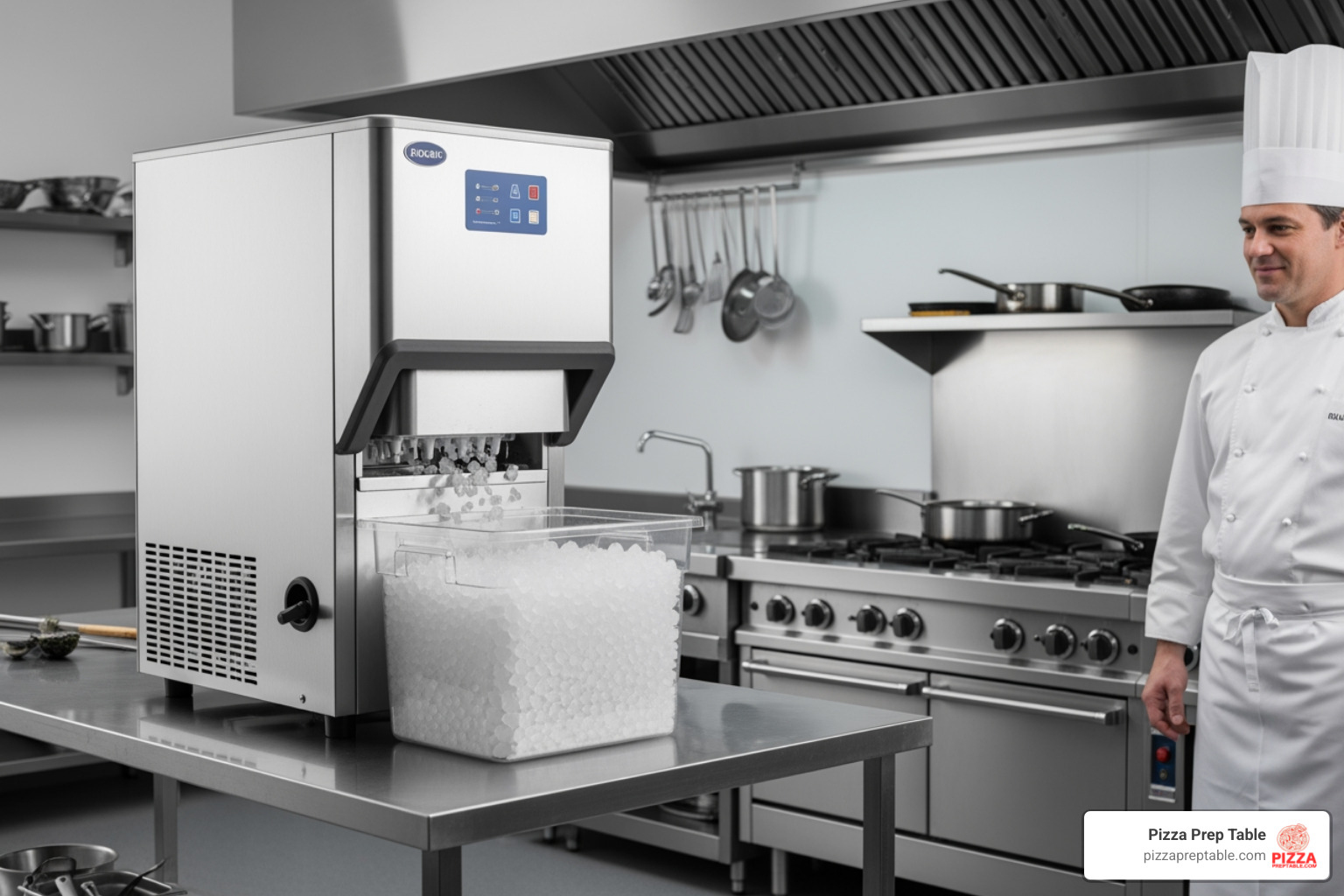
A commercial pellet ice maker is a specialized ice machine that produces soft, chewable nugget ice—the same type served at popular fast-food chains and restaurants. Here's what you need to know:
Top Commercial Pellet Ice Maker Options:
| Model | Daily Production | Best For | Key Feature |
|---|---|---|---|
| Ice-O-Matic GEM0956W | 1,053 lbs | Large operations | Water-cooled for hot kitchens |
| Scotsman N0622 | 715 lbs | Mid-size restaurants | Energy Star rated |
| Manitowoc UYP0140A | 150 lbs | Small cafes, bars | Compact undercounter design |
| Follett Horizon Elite 1010 | 978 lbs | High-volume needs | Remote condenser option |
What Makes Pellet Ice Special:
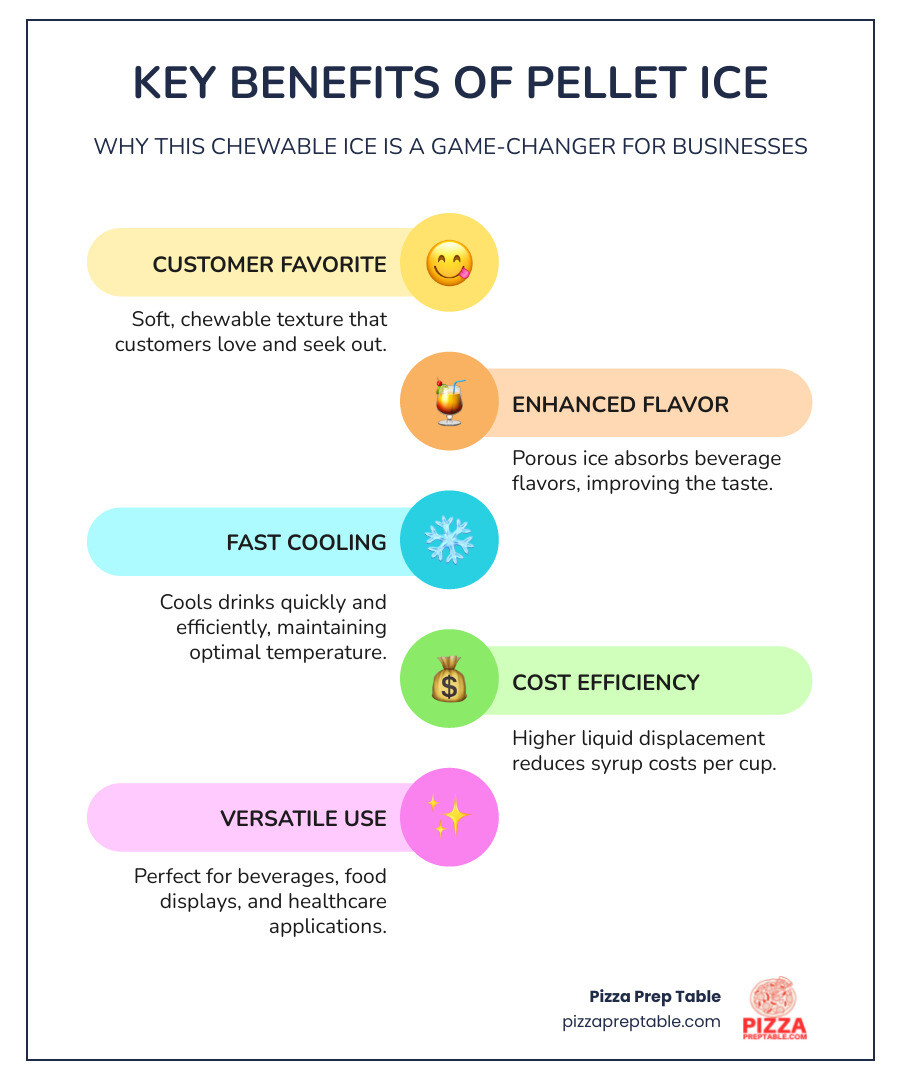
- Soft and chewable texture customers love
- Absorbs beverage flavors for better taste
- Higher liquid displacement reduces syrup costs
- Versatile for beverages, food displays, and healthcare
If you've ever enjoyed that satisfying crunch of ice from Sonic Drive-In, you know exactly what pellet ice is. As Scotsman puts it, after introducing "The Original Chewable Ice" in 1981, nugget ice has become "the preferred ice choice for countless consumers and operators alike."
Why businesses choose pellet ice: Customers specifically request it, it cools drinks faster than standard cubes, and it actually saves you money on syrups because the ice displaces more liquid in each cup. Whether you're running a pizzeria, smoothie shop, or healthcare facility, pellet ice can improve customer satisfaction while reducing operational costs.
The challenge? Finding the right commercial pellet ice maker for your space, budget, and production needs. Commercial units range from compact 150-pound-per-day undercounter models perfect for small cafes to massive 2,000+ pound modular systems for high-volume operations.
I'm Sean Kearney, and I've spent years helping restaurant owners steer equipment purchases—from small cafes to large chains. My experience in sales and deep knowledge of the foodservice industry has taught me that choosing the right commercial pellet ice maker can make or break your beverage program's efficiency and profitability.
Relevant articles related to commercial pellet ice maker:
What is Pellet Ice and Why is it a Game-Changer for Businesses?
Pellet ice, also known as "nugget ice" or "Chewblet ice," is made by compressing ice flakes into soft, chewable nuggets. Unlike traditional hard cubes, its porous texture offers a satisfying crunch that customers love. It's the same popular ice found at Sonic Drive-In and many specialty coffee shops.
The soft, porous nature of pellet ice allows it to absorb beverage flavors, enhancing the drinking experience. This detail significantly boosts customer satisfaction, particularly for those who enjoy chewing their ice.
For businesses, the benefits extend beyond pleasing customers. Pellet ice is a true game-changer:
- Improved Customer Experience: As Scotsman notes, "Consumers enjoy how the chewable nugget ice absorbs the flavor of beverages." This unique characteristic makes drinks more enjoyable and encourages repeat business.
- Higher Liquid Displacement: Due to its shape, pellet ice displaces more liquid than standard cubes. This means you use less syrup per cup, leading to "lower operating costs and higher liquid displacement, which lowers syrup costs per cup" for operators.
- Reduced Syrup Costs: The higher liquid displacement directly translates to substantial savings on beverage ingredients, improving your bottom line.
- Versatility: Pellet ice isn't just for drinks. Its soft texture is incredibly versatile.
Common applications for pellet ice in commercial environments include:
- Fountain Beverages: Providing the beloved chewable ice for sodas and iced teas.
- Smoothies and Blended Cocktails: The soft ice blends smoothly for a consistent texture without jamming blenders.
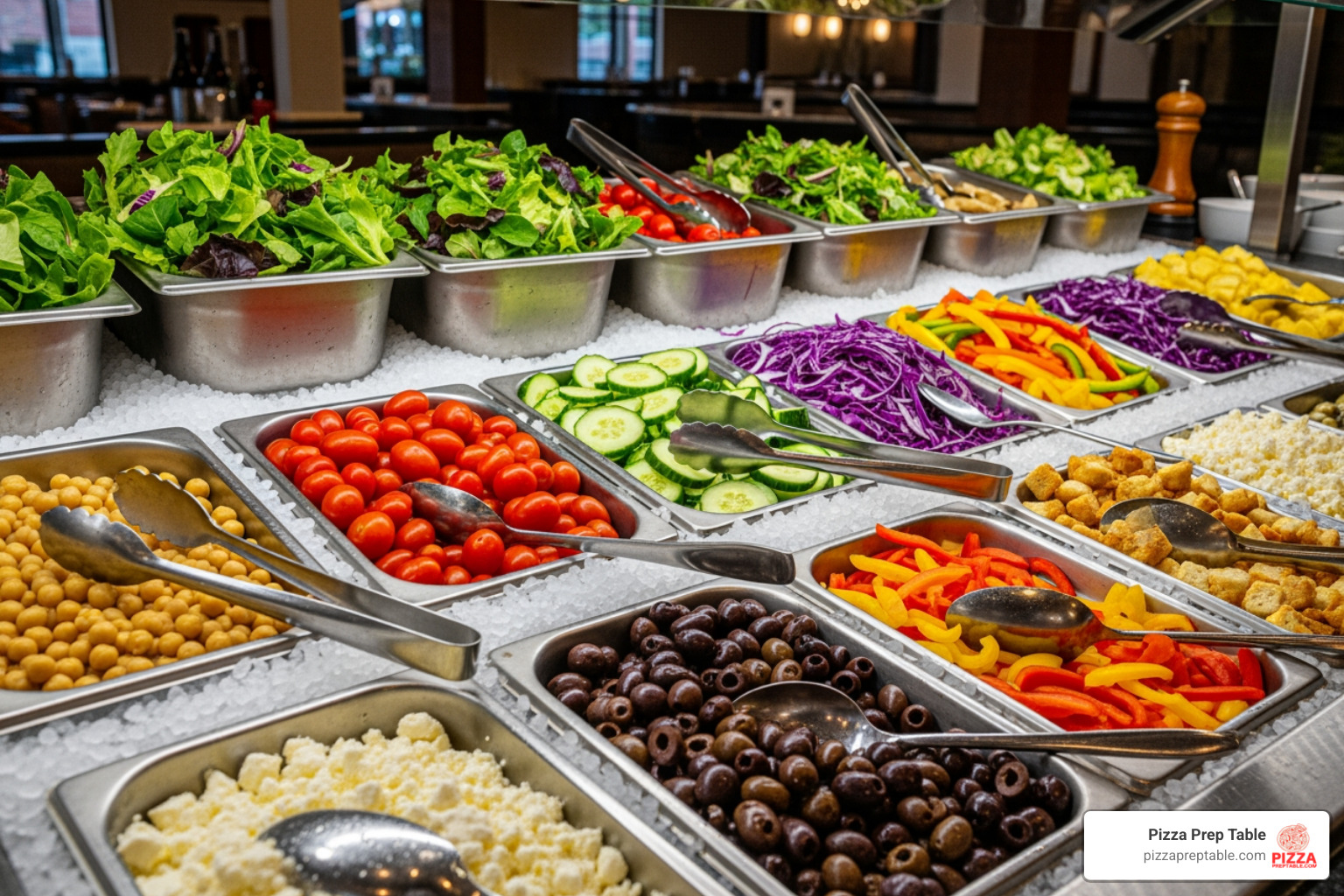
- Salad Bars and Seafood Displays: It forms a soft bed that chills delicate produce and seafood without bruising.
- Healthcare Settings: Preferred for patient hydration as it's easier to chew and swallow, reducing choking risks. It's also great for therapeutic cold packs.
- Retail and Grocery: Used for displaying fresh produce or meats to maintain temperature and presentation.
Investing in a commercial pellet ice maker is an upgrade to your customer experience and operational efficiency.
Finding the Right Fit: A Buyer's Guide
Selecting a commercial pellet ice maker requires understanding the key differences from residential models. While a home unit like the GE Profile Opal 2.0 produces up to 38 pounds of ice daily, commercial needs are on a much larger scale.
Commercial vs. Residential: What's the Difference?
The main distinctions between commercial and residential pellet ice makers are capacity, durability, and cost.
- Production Capacity: Residential units produce 26 to 40 pounds of ice per day. Commercial units are built for volume, with daily production from 150 to over 2,000 pounds. For example, the Ice-O-Matic GEM0956W produces approximately 1053 lbs/24 hours, while some Follett Horizon Elite™ models can reach 2039 lbs per day.
- Storage Capacity: Residential models hold 1 to 3 pounds of ice. Commercial machines often pair with large bins storing 75, 90, or hundreds of pounds of ice.
- Durability and Materials: Commercial units are built with robust stainless steel for continuous, heavy-duty use and easy sanitation. Residential units are not designed for the same level of wear.
- Cost: Commercial pellet ice makers have a higher price tag. While a quality residential model might cost $400-$600, commercial units range from a few thousand to over ten thousand dollars.
Here’s a quick comparison:
| Feature | Typical Commercial Pellet Ice Maker | Typical Residential Pellet Ice Maker |
|---|---|---|
| Production | 150 - 2000+ lbs/day | 26 - 40 lbs/day |
| Storage | 75 - 500+ lbs | 1 - 3 lbs |
| Size | Large, often modular or undercounter | Compact, countertop |
| Cost | $2,000 - $15,000+ | $170 - $600 |
| Materials | Heavy-duty stainless steel | Plastic, lighter-gauge metals |
For a broader look at ice makers, refer to our An Essential Guide to the Best Ice Maker.
Types of Commercial Pellet Ice Makers
Commercial pellet ice makers come in several configurations:
- Undercounter Models: These compact, all-in-one units fit under counters, making them ideal for bars, small cafes, or breakrooms with limited space. They include built-in storage bins. For more bar-specific insights, see our article, Confused About Bar Ice Makers? Here's What You Need to Know.
- Modular Units: For high-volume needs, these systems pair a separate ice machine head with a standalone storage bin. This allows you to customize production and storage capacity. Brands like Scotsman and Follett offer modular heads producing over 2000 lbs/day, perfect for large restaurants and cafeterias.
- Countertop Dispensers: Combining ice production and dispensing, these units are great for self-service areas like healthcare facilities, offices, and convenience stores. They often dispense both ice and water, like Manitowoc's countertop models that provide hygienic, chewable nugget ice.
Key Factors to Consider Before You Buy
Choosing the right commercial pellet ice maker requires careful thought:
- Production Capacity: Accurately calculate your daily ice needs, factoring in peak hours. A good rule of thumb is 1.5-2 lbs per person for beverages. It's better to overestimate than to run out.
- Storage Capacity: Your ice bin should hold enough reserve for peak demand. Match the bin size to your production and usage patterns.
-
Condenser Type: This choice impacts your kitchen's environment, efficiency, and installation:
- Air-cooled: Generally less expensive and easier to install, these units use ambient air and release heat back into the room. This can raise kitchen temperatures and HVAC costs, and they require several inches of clearance for ventilation.
- Water-cooled: More efficient in hot environments, these condensers use water for cooling and expel less heat. They have a higher upfront cost and will increase your water bill. The Ice-O-Matic GEM0956W is a high-capacity water-cooled model.
- Remote Condenser: This option places the noisy, heat-generating condenser outside, keeping the kitchen cooler and quieter. It's an excellent choice for businesses looking to minimize indoor heat and noise. Follett's Horizon Elite™ series offers remote options.
- Size and Footprint: Measure your space carefully, including clearance for ventilation and maintenance access.
- Energy and Water Efficiency: Look for Energy Star ratings. Compare kWh per 100 lbs of ice and water usage (gallons per 100 lbs) to estimate operating costs.
- Water Filtration: A water filter is critical to prevent mineral buildup (scale), which reduces efficiency and machine lifespan. Regular descaling is also recommended. Some brands, like Ice-O-Matic, offer extended warranties with their filter program.
The Best Commercial Pellet Ice Makers on the Market
Investing in a commercial pellet ice maker means choosing a reliable partner for your business. Here, we highlight some of the leading brands and top models that consistently deliver quality and performance.
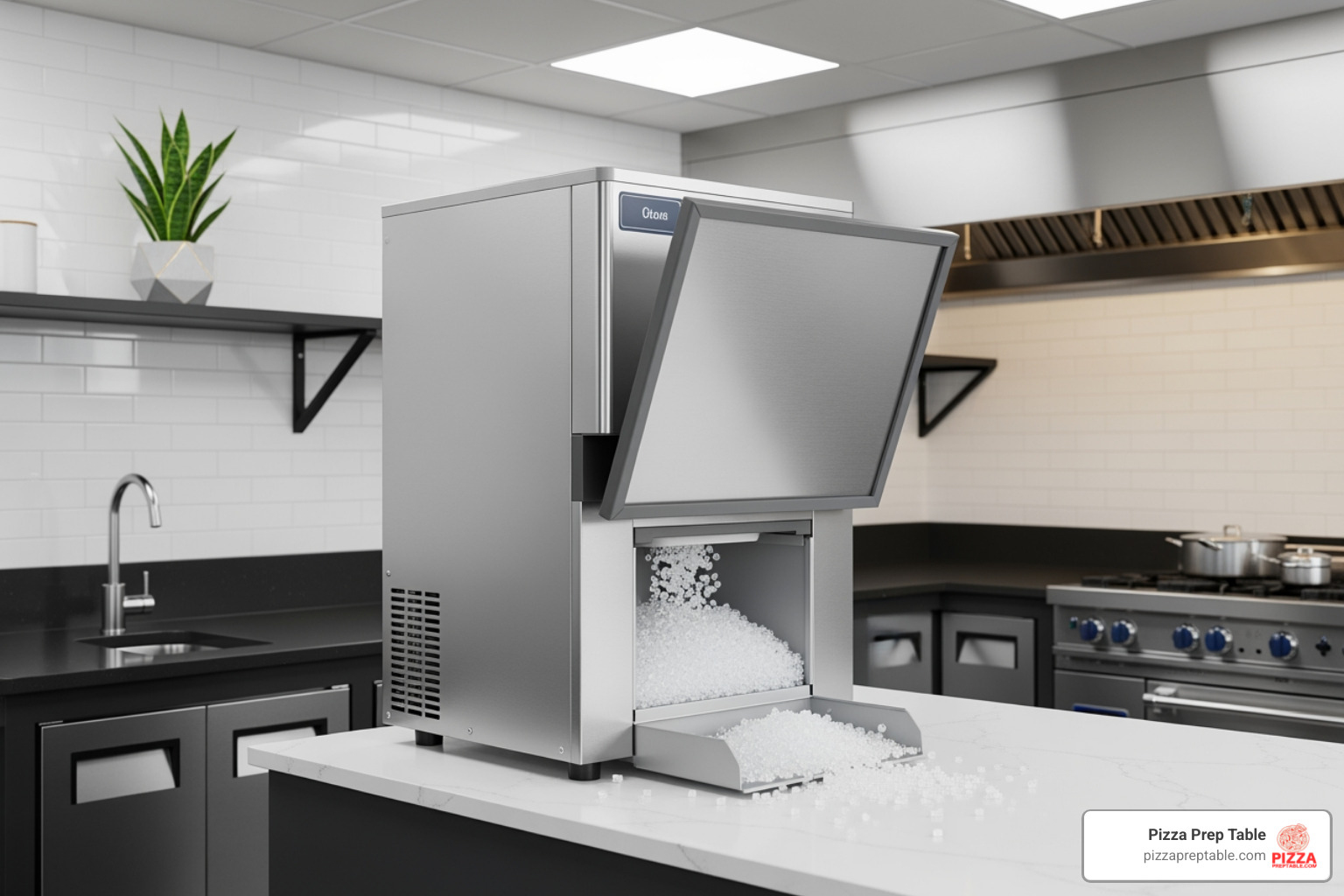
Leading Commercial Pellet Ice Maker Brands
The commercial ice machine market is led by a few key players known for innovation and durability:
- Scotsman: Credited with inventing "The Original Chewable Ice®" in 1981, Scotsman's Prodigy Plus® and Meridian™ series are known for reliability and efficiency.
- Manitowoc: A major name in commercial ice, Manitowoc is known for its countertop machines that dispense "chewable nugget ice" and water, ideal for healthcare and breakroom settings.
- Ice-O-Matic: Ice-O-Matic's Pearl Ice® machines are highly regarded for their soft, chewable ice. Their Elevation Series™ models feature PURE ICE® antimicrobial protection and one-touch cleaning controls.
- Follett: Specializing in Chewblet® ice, Follett is known for high-quality, customer-preferred ice. Their Horizon Elite™ series offers impressive production, and they provide CAD and Revit files for planning to simplify integration into kitchen designs.
Top Models Reviewed
Let's explore some standout models in the commercial pellet ice maker category:
-
Scotsman N0622 Prodigy Plus® Nugget Ice Maker:
- Production: Approximately 715 lbs/day.
- Key Features: This modular head from the Prodigy Plus® line is designed for efficiency and easy maintenance. Often Energy Star rated, it's an excellent choice for mid-size restaurants or large cafes needing a significant, reliable ice supply.
-
Ice-O-Matic GEM0956W Pearl Ice® Maker:
- Production: Approximately 1053 lbs/day.
- Key Features: This high-capacity, water-cooled unit is a workhorse for busy restaurants and healthcare facilities. It produces soft Pearl Ice® and features durable stainless steel construction with PURE ICE® antimicrobial protection for a cleaner ice supply.
-
Follett Horizon Elite™ D1010R Chewblet® Ice Machine:
- Production: Approximately 978 lbs/day.
- Key Features: This modular head produces Follett's popular Chewblet® ice. The remote condenser option is ideal for businesses wanting to minimize kitchen heat and noise. It provides high-volume chewable ice for a wide range of foodservice applications.
Budgeting and Maintenance for Your Commercial Pellet Ice Maker
Understanding the upfront costs and ongoing expenses of a commercial pellet ice maker is crucial for smart business planning. Proper maintenance is also key to protecting your investment.
Understanding the Costs of a Commercial Pellet Ice Maker
The total cost of ownership includes more than the purchase price:
- Purchase Price: Prices vary widely by production capacity, brand, and type. Undercounter units may start around $2,000-$3,000, while high-capacity modular systems can exceed $10,000. For instance, the Ice-O-Matic GEM0956W costs around $8,000.
-
Operating Costs: These are ongoing expenses that impact your bottom line:
- Electricity Usage: Look for Energy Star ratings and compare the kilowatt-hours (kWh) consumed per 100 lbs of ice to estimate electricity costs.
- Water Consumption: Water-cooled condensers use significantly more water than air-cooled units, which will impact your utility bills. Filtered water is essential for ice quality and preventing scale buildup.
- Maintenance and Repairs: Factor in regular filter changes and professional servicing. Neglecting maintenance can lead to expensive repairs.
- Financing Options: The upfront cost can be a hurdle for many businesses. At Pizza Prep Table, we offer flexible financing options to help you acquire essential equipment without a prohibitive initial outlay, allowing you to spread the investment over time. For cost comparisons with smaller units, see our article, Chill Out: Best Portable Electric Ice Makers Reviewed.
Essential Maintenance and Cleaning Tips
Proper maintenance extends your machine's life, ensures sanitary ice, and maintains efficiency.
-
Regular Cleaning Schedule:
- Daily: Wipe down exterior surfaces.
- Weekly: Run the self-cleaning cycle if your model has one.
- Monthly: Perform a thorough cleaning. Unplug the machine, remove all ice, and clean the interior according to the manufacturer's instructions. This typically involves using a cleaning solution, running a cleaning cycle, draining the unit, and wiping it dry.
- Descaling: Regularly descale your machine using a manufacturer-approved solution to remove mineral buildup (scale) from hard water. Using filtered water is the best defense against scale.
- Water Filter Replacement: This is critical. Replace filters regularly (often every 6 months) to remove impurities, prevent scale, and ensure good-tasting ice. Some brands, like Ice-O-Matic, offer extended warranties if you use their filter program.
- Condenser Coil Cleaning: For air-cooled units, regularly brush or vacuum the condenser coils to remove dust and maintain airflow. Ensure a few inches of clearance around the unit for ventilation.
- Professional Servicing: Schedule annual or bi-annual professional check-ups to identify potential issues early and keep your machine running optimally.
After transport, always let the unit sit upright for at least two hours before plugging it in to allow the refrigerant to settle.
Frequently Asked Questions about Commercial Pellet Ice Makers
Business owners in cities from Dallas to Atlanta often ask about commercial pellet ice makers. Here are some common questions.
How much pellet ice does my business need?
Calculating your ice needs is critical to selecting the right machine. Consider the following:
- Type of establishment: A fast-food restaurant has different needs than a hospital or cafe.
- Number of seats/customers: Estimate 1.5 to 3 lbs of ice per customer for beverage service.
- Applications: Food displays and therapeutic packs require more ice than drinks alone.
- Peak demand: Always size your machine for your busiest periods.
A small cafe might need 150-300 lbs/day, a mid-size restaurant 500-800 lbs/day, and a high-volume establishment 1000+ lbs/day. Your storage bin acts as a buffer, so factor its capacity into your decision.
What's the difference between an air-cooled and a water-cooled ice machine?
This choice impacts your kitchen environment and operating costs:
-
Air-cooled:
- Pros: Lower upfront cost and simpler installation.
- Cons: Exhausts hot air into the kitchen, increasing ambient temperature and HVAC costs. Requires several inches of clearance for ventilation.
-
Water-cooled:
- Pros: More efficient in hot environments and enclosed spaces. Expels less heat into the room, leading to more consistent ice production.
- Cons: Higher upfront cost, more complex installation, and significantly higher water consumption, which increases utility bills.
The best choice depends on your kitchen's layout, ambient temperature, and utility costs.
Can I install a commercial ice maker myself?
We strongly advise against DIY installation for commercial ice makers. Professional installation is recommended for the following reasons:
- Installation Complexity: Commercial units require specific electrical, water, and drain line connections. Incorrect work can cause damage and safety hazards.
- Specialized Knowledge: Professionals ensure the machine is level, properly ventilated, and correctly hooked up, adhering to local codes in cities like San Francisco or Washington, D.C.
- Warranty Considerations: Many manufacturers' warranties are voided by improper installation, leaving you responsible for any repair costs.
- Water Filtration Integration: A professional will correctly integrate the crucial water filtration system.
For these reasons, always hire a qualified commercial refrigeration technician to install your commercial pellet ice maker.
Conclusion: Make the Smart Choice for Your Business
Choosing the right commercial pellet ice maker is a strategic investment in your business's efficiency and customer satisfaction. This beloved "chewable ice" improves beverages and offers tangible savings through higher liquid displacement.
Whether you need a high-volume modular unit from Scotsman or Follett or a compact undercounter model, the perfect machine exists for your needs. By considering production capacity, storage, and condenser type, and committing to proper maintenance, you can ensure a reliable supply of quality ice. Leading brands like Ice-O-Matic and Manitowoc offer robust solutions for demanding kitchens in cities from New York to Los Angeles.
At Pizza Prep Table, we are your partner in building a successful foodservice operation. Ready to upgrade your beverage service? Explore our Ice Machine Leasing options to get started without the large upfront investment.