

Mastering the Art of the Giant Pizza Peel
Why a Giant Pizza Peel Is Essential for Serious Pizza Operations
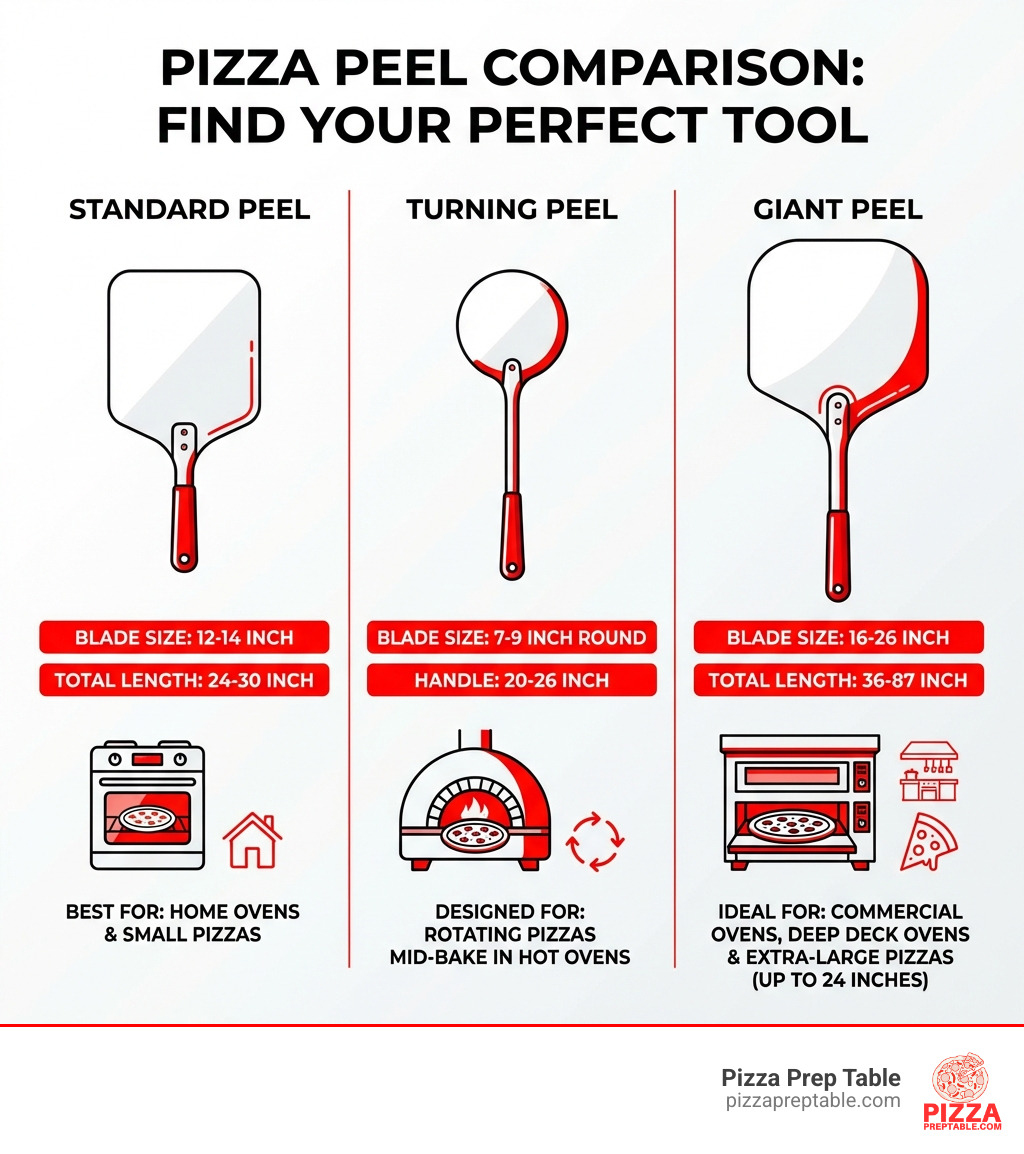
A giant pizza peel is a specialized tool designed for handling extra-large pizzas or managing high-volume production in commercial pizza operations. Here's what defines and distinguishes giant pizza peels:
Key Characteristics:
- Blade Size: 16 inches to 26+ inches (compared to standard 12-14 inch peels)
- Handle Length: 18 inches to 87 inches, depending on oven depth
- Primary Use: Launching and retrieving large pizzas (18+ inches), party-sized pies, or managing deep deck ovens
- Best For: Commercial pizzerias, catering operations, and specialized large-format pizza makers
Common Materials:
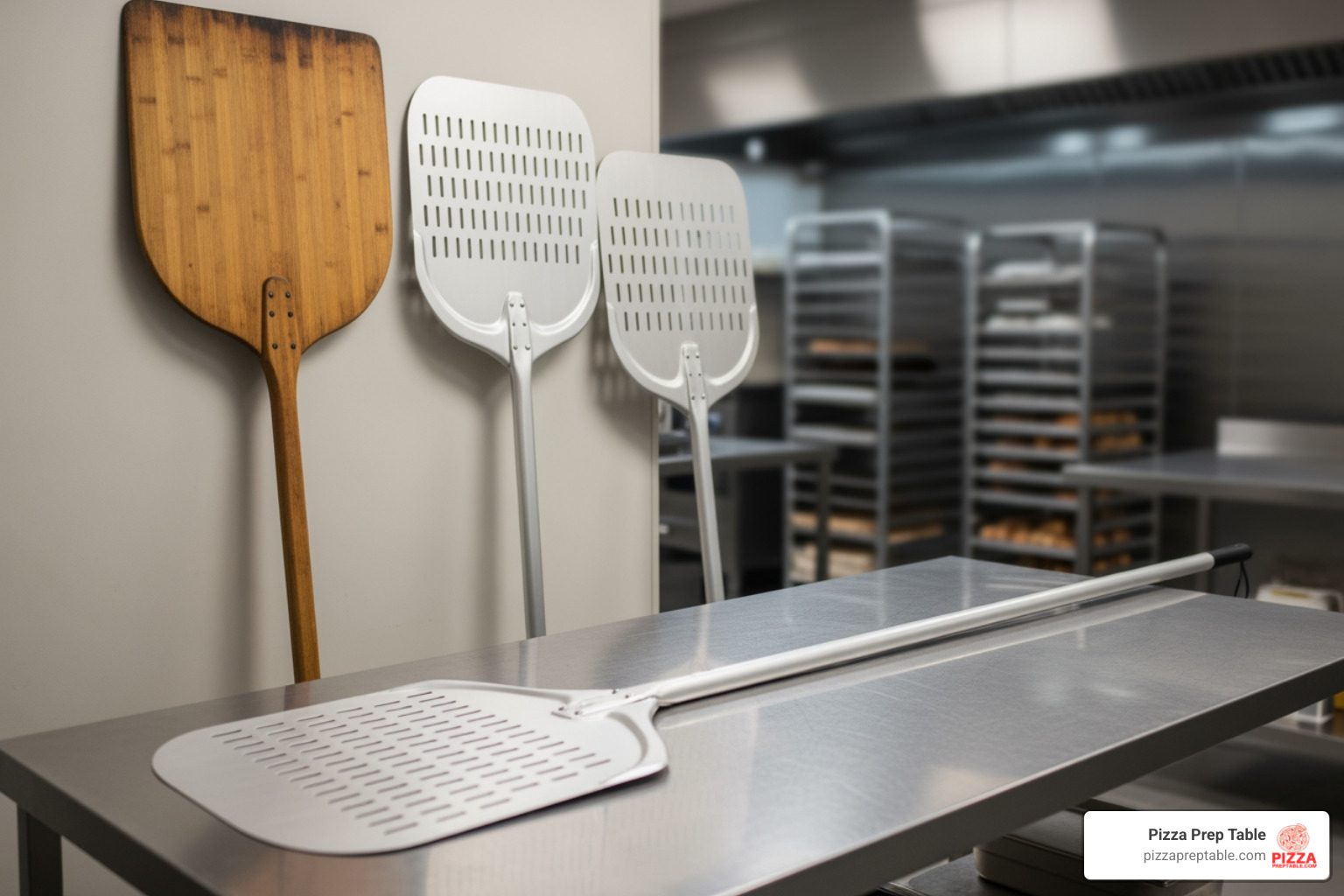
- Wood (basswood, acacia): Better for launching due to natural non-stick properties
- Aluminum: Thinner edge makes retrieving easier, more durable
- Perforated Metal: Reduces friction and excess flour buildup
If you're running a pizzeria or managing a commercial kitchen, understanding when you need a giant pizza peel versus a standard one can save you time, reduce waste, and improve your workflow. The wrong size peel can lead to dropped pizzas, burned crusts, and frustrated kitchen staff.
I'm Sean Kearney, and I've spent years helping restaurant owners select the right equipment for their operations, including guiding countless pizzerias through choosing the perfect giant pizza peel for their specific oven setup and production volume. My background in sales and deep appreciation for the foodservice industry has taught me that the right tools—especially something as fundamental as a pizza peel—can dramatically impact your kitchen's efficiency and profitability.
Easy giant pizza peel glossary:
- pizza peel
- pizza peel use
- how to keep pizza dough from sticking to the peel
What Makes a Pizza Peel "Giant"?
When we talk about a giant pizza peel, we're not just exaggerating; we're referring to a tool specifically engineered for pizzas that go beyond the typical 12 or 14-inch pie. These peels are the workhorses of commercial kitchens, designed to handle the demands of large-scale production and oversized pizzas. Understanding their dimensions and typical use cases is crucial for any pizzeria or restaurant looking to optimize their pizza-making process.
Defining Dimensions and Purpose
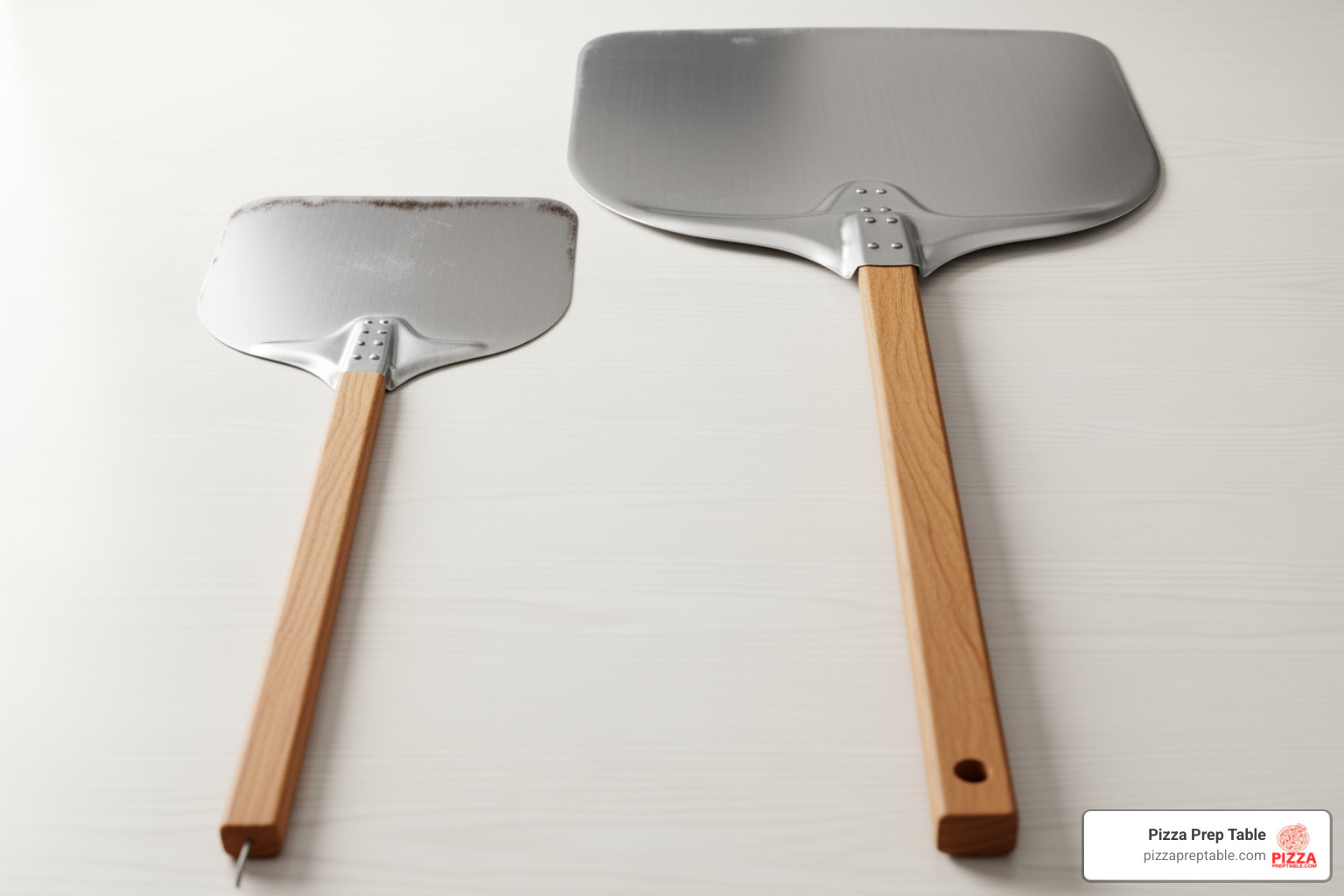
What truly defines a giant pizza peel? It's all about scale. While a standard peel might feature a blade around 12 to 14 inches wide, a giant peel typically starts at 16 inches and can extend up to 26 inches or even more for truly colossal creations. For example, we've seen models with a 16-inch wide by 18-inch long blade, or even specialized peels with an 8-inch wide but nearly 30-inch long blade designed for deep ovens.
The handle length is another critical distinguishing factor. For commercial deck ovens or large brick ovens, where the heat is intense and the depth significant, a long handle is essential for safety and reach. These handles can range from 18 inches to an impressive 87 inches, allowing pizzaiolos to safely maneuver pies deep into cavernous ovens without getting too close to the searing heat.
The primary use cases for a giant pizza peel are clear:
- Launching Extra-Large Pizzas: Imagine a party-sized pizza, 20 inches or more in diameter. A standard peel simply won't cut it. A giant peel provides the necessary surface area to support the entire pizza, ensuring a smooth, intact launch into the oven.
- Deep Commercial Ovens: Many commercial deck ovens and traditional brick ovens are incredibly deep. A giant peel with an extended handle allows operators to reach the back of these ovens for precise placement and retrieval.
- High-Volume Pizza Making: In busy pizzerias, efficiency is key. A larger peel means fewer trips to the oven for larger pizzas, streamlining the workflow.
- Specialty Pizzas: Some pizzerias specialize in unique, elongated, or rectangular pizzas that require a peel with a specific blade shape and length to handle them properly.
Compared to standard-sized peels, a giant peel isn't just bigger; it's designed for a different operational environment. It’s built for the demands of commercial use, where size, heat, and volume are all amplified. From dough to oven, the art of the pizza peel is truly perfected when you have the right tool for the job.
Advantages vs. Disadvantages
Like any specialized tool, the giant pizza peel comes with its own set of pros and cons. For the right operation, the advantages far outweigh the drawbacks, but it's important to consider both sides before making an investment.
Advantages (Pros):
- Handles Larger Pizzas with Ease: This is the most obvious benefit. If you're consistently making pizzas 16 inches or larger, a giant peel is indispensable. It provides full support, preventing sagging or tearing during transfer.
- Increased Efficiency: For high-volume operations, using a larger peel means you can handle bigger pies, potentially reducing the number of oven cycles or transfers needed. This saves time and keeps your kitchen flowing smoothly.
- Safer for Deep Ovens: The extended handle lengths are a significant safety feature, keeping the pizzaiolo at a comfortable distance from the intense heat of deep commercial ovens.
- Professional Presentation: A clean, confident launch with a properly sized peel leads to a perfectly shaped pizza, which is crucial for presentation in any restaurant setting.
Disadvantages (Cons):
- Weight: Due to their size and often sturdy construction, giant peels can be heavier than their smaller counterparts. This can lead to fatigue during extended use, especially if not properly balanced.
- Maneuverability: Operating a long, heavy peel in a busy kitchen requires skill and space. Turning pizzas in the oven, particularly if the oven opening is tight, can be challenging. This is where a separate, smaller turning peel often comes into play.
- Storage Space: A peel with an overall length of 36 inches or more demands significant storage space. We advise considering wall mounts or dedicated storage solutions to keep these tools accessible yet out of the way.
- Higher Cost: Generally, larger and more specialized equipment comes with a higher price tag. However, for a commercial operation, this is an investment that pays off in efficiency and product quality.
- Learning Curve: There's a knack to mastering a giant peel. It requires practice to develop the right technique for launching and retrieving without damaging the pizza or oneself.
The comparison to smaller peels highlights these challenges. While a smaller peel might be nimble, it simply can't handle the same pizza size. The weight and maneuverability of a giant pizza peel are manageable with practice and proper technique, but they are certainly factors to consider.
Choosing Your Giant Pizza Peel: A Material & Feature Showdown
Selecting the right giant pizza peel is a critical decision that impacts workflow, pizza quality, and the longevity of your equipment. It's not just about size; it's about material, design, and features custom to your specific operational needs.
For a bit of historical context on how peels evolved in professional baking, you can also see the overview of traditional peels in the pizza article on Wikipedia.
Wood vs. Metal: The Great Debate
The choice between wood and metal for your giant pizza peel often sparks a lively debate among pizzaiolos. Both materials offer distinct advantages and are suited for different aspects of the pizza-making process.
Wood Peels: Traditionally, wood peels have been favored for their natural non-stick properties. Materials like basswood or acacia wood are popular choices.
- Non-Stick Properties: Wood naturally absorbs some moisture and, when properly floured (especially with semolina), creates a remarkably slick surface that helps raw dough slide off effortlessly. This makes them excellent for building and launching pizzas.
- Dough-Friendly: Many pizzaiolos find stretching and topping dough on a wooden peel more forgiving, as the dough is less likely to stick or tear compared to cold metal.
- Maintenance: Wooden peels require specific care. They should be hand-washed, never soaked, and towel-dried immediately to prevent warping or cracking. Regular seasoning with food-safe mineral oil, much like a cutting board, helps maintain their integrity and non-stick qualities. Neglecting this can lead to the wood drying out and splitting.
- Durability: While sturdy, wood can singe or scratch over time, especially the edge that frequently contacts the hot oven stone.
Metal Peels (Aluminum): Aluminum peels are a staple in many commercial kitchens, prized for their thinness and durability.
- Thin Edge: This is where metal peels truly shine. Their thin, often beveled edge allows for easy scooping of cooked or partially cooked pizzas from the oven, making retrieval a breeze.
- Durability: Aluminum is highly durable, resistant to warping, and less prone to scratching than wood when used for retrieval. It can withstand the high temperatures of pizza ovens without issue.
- Perforated Options: A significant innovation in metal peels is the perforated design. These peels feature holes across the blade surface. The perforations serve a dual purpose: they allow excess flour or semolina to fall away, preventing burnt flour taste and smoke in the oven, and they reduce the surface area contact, further minimizing friction for a smoother launch and retrieval. For a deeper dive into these specialized peels, check out our article on holey grail or holey mess-unpacking the perforated pizza peel.
- Maintenance: Metal peels are generally easier to clean, often just requiring warm, soapy water and a good rinse. They are less susceptible to bacterial growth if cleaned properly.
Many professional operations opt for a "fleet" of peels: a wooden peel for launching, and a thin metal or perforated metal peel (often a smaller turning peel) for rotating and retrieving. This combination leverages the strengths of each material for optimal results.
Key Features to Consider for a giant pizza peel
Beyond the material, several design features significantly impact the performance and user experience of a giant pizza peel. When selecting one for your operation, consider these crucial elements:
- Handle Length: As discussed, this is paramount for deep ovens. For a commercial deck oven, a handle that allows you to comfortably reach the back without overextending is vital. The overall length of the peel (blade plus handle) needs to be considered in relation to your oven depth and kitchen space. Some utility peels are available in lengths from 40 inches up to 87 inches to accommodate various oven sizes.
- Grip Comfort: A giant pizza peel can be heavy, especially when loaded with a large pizza. A comfortable, ergonomic handle reduces strain and improves control. Rounded handles are often preferred over flat, rectangular ones, as they provide a more secure and comfortable grip, reducing the chance of accidental drops.
- Blade Edge: The thinness and taper of the blade's edge are critical for smooth operation. A finely tapered edge allows the peel to effortlessly slide under raw dough for launching and, more importantly, under a cooking pizza for turning or retrieval. A blunt or thick edge will push the pizza around rather than scoop it, leading to frustration and potential damage to the pie.
- Squared-Off Surface: While some peels have a semi-circular blade, a squared-off or rectangular blade offers more usable surface area. This is particularly beneficial for a giant pizza peel as it provides ample space for stretching and topping larger doughs, ensuring the pizza maintains its shape before launch.
- Balance Point: A well-designed giant peel will have a good balance, even with its extended length. This means the weight is distributed effectively, making it feel less cumbersome and easier to maneuver, whether you're launching a fresh pizza or retrieving a piping hot one.
- Overall Weight: While giant peels are inherently heavier, some materials and designs can minimize this. If weight is a major concern for your staff, consider lighter aluminum options, especially perforated ones, which can be surprisingly light for their size.
By carefully evaluating these features, you can choose a giant pizza peel that not only fits your oven but also improves the efficiency and comfort of your pizzaiolos.
Techniques for Taming the Beast: Using Your Giant Peel
A giant pizza peel is a powerful tool, but like any specialized equipment, it requires proper technique to maximize its potential and prevent mishaps. Mastering its use means smoother operations and perfectly cooked pizzas every time.
Launching and Retrieving with a giant pizza peel
The moment of truth for any pizza is its journey into and out of the oven. With a giant pizza peel, precision and confidence are your best friends.
1. Prepping the Peel: Before you even think about placing dough on it, ensure your peel is properly prepped.
- Flour Power: Generously dust your peel with semolina flour. Semolina is coarser than regular flour and acts like tiny ball bearings, creating a non-stick barrier that allows the dough to slide easily. Cornmeal can also be used in a pinch, but semolina is generally preferred as it's less likely to burn and impart an off-flavor. For more tips on preventing sticking, refer to our guide on pizza peel perfection-expert tips to prevent dough from sticking.
- The Shake Test: After dusting, give the peel a gentle shake to ensure the flour is evenly distributed and the dough can move freely.
2. Building and Transferring:
- Quick Work: Once the dough is on the floured peel and topped, work quickly. The longer raw dough sits on the peel, the more likely it is to absorb moisture and stick.
- The Shimmy Technique: This is the secret to a perfect launch. Before launching, give the peel a slight shimmy or shake to ensure the pizza is loose and sliding. If it's sticking, lift a corner and add more semolina underneath.
3. Launching into the Oven:
- Positioning: Bring the loaded giant pizza peel close to the oven opening. Position the front edge of the peel slightly above and just in front of where you want the pizza to land on the hot stone or deck.
- The Confident Motion: This is not a time for hesitation. With a quick, confident forward and backward motion, simultaneously slide the peel out from under the pizza. The forward motion helps propel the pizza, and the swift backward pull leaves it cleanly on the cooking surface. Avoid pushing the pizza; you're pulling the peel from under it.
- Practice, Practice, Practice: It takes a few tries to get the hang of it, especially with a larger peel. Don't be discouraged by initial imperfections.
4. Retrieving from the Oven:
- Approach: Use the thin, tapered edge of your giant pizza peel to gently slide under the cooked pizza.
- Scooping Motion: Once the edge is under, use a smooth, scooping motion to lift the pizza fully onto the peel. For very large pizzas, you might need two hands or even a second peel if the pizza is particularly unwieldy.
- Steady Exit: Carefully pull the peel, with the pizza centered, out of the oven. Keep the peel as level as possible to prevent toppings from sliding off.
Avoiding Mishaps:
- Don't Overload: Ensure your pizza isn't larger than your peel's blade.
- Keep it Dry: Moisture is the enemy of a non-stick launch.
- Stay Calm: Panic often leads to dropped pizzas. A calm, deliberate approach is always best.
Cleaning and Maintenance for Longevity
Proper cleaning and maintenance are essential to extend the life of your giant pizza peel, regardless of its material, and to ensure hygienic operation in a commercial setting.
Wood Peel Care: Wooden peels, especially those made from basswood or acacia, require a gentle touch to prevent warping, cracking, or splintering.
- Hand Wash Only: Never put a wooden peel in a dishwasher or let it soak in water. The high heat and prolonged moisture will cause it to warp and crack.
- Mild Soap and Water: Use a soft sponge or cloth with mild dish soap and warm water to clean the surface. Scrape off any stuck-on dough or cheese with a plastic scraper.
- Towel Dry Immediately: After washing, thoroughly dry the peel with a towel. Do not air dry, as this can lead to uneven drying and warping.
- Seasoning: Periodically, season your wooden peel with food-grade mineral oil. Apply a generous amount, let it soak in for a few hours (or overnight), then wipe off any excess. This conditions the wood, prevents it from drying out, and improves its natural non-stick properties.
- Sanding (Optional): If the surface becomes rough or develops minor splinters, a light sanding with fine-grit sandpaper can restore its smoothness.
Metal Peel Care (Aluminum and Perforated): Metal peels are generally more robust and easier to clean, making them ideal for busy commercial kitchens.
- Warm, Soapy Water: Metal peels can be washed with warm water and dish soap. Use a brush or sponge to remove any food residue.
- Rinse Thoroughly: Ensure all soap residue is rinsed off.
- Air Dry or Towel Dry: Metal peels can air dry or be towel-dried. Perforated peels might take a little longer to dry completely due to the holes.
- Avoid Abrasive Scrubbers: While durable, harsh abrasive scrubbers can scratch the surface of aluminum peels, potentially creating areas where food can stick.
- Dishwasher (Check Manufacturer): Some commercial-grade aluminum peels may be dishwasher safe, but always check the manufacturer's instructions first. High heat from commercial dishwashers can sometimes affect the finish or cause discoloration over time.
Proper Storage for All Peels: Regardless of material, store your giant pizza peel properly to prevent damage and optimize kitchen flow.
- Hang Vertically: The best way to store long peels is by hanging them vertically on a wall rack or hooks. This saves counter space and prevents warping that can occur if they are laid flat or leaned against a surface for extended periods.
- Avoid Excessive Heat/Humidity: Store peels in a cool, dry place away from direct heat sources (like ovens) and areas of high humidity.
By following these best practices, your giant pizza peel will remain a reliable tool in your pizzeria for years to come.
Frequently Asked Questions about Giant Pizza Peels
We often get asked specific questions about giant pizza peels, especially from those considering upgrading their equipment or those new to handling such large tools. Here are some of the most common queries we encounter:
Is a giant pizza peel necessary for a home oven?
Generally, no, a giant pizza peel is typically too large for a standard home oven. Most home ovens are designed for pizzas up to 12-14 inches, and a peel with a blade size of 16 inches or more, coupled with a long handle, would be unwieldy and likely wouldn't fit. Giant peels are designed for larger home pizza ovens (like some of the bigger outdoor pizza oven models) or commercial deck ovens found in pizzerias and restaurants in cities like New York City, Chicago, or Los Angeles. For typical home use, a 12-inch or 14-inch peel is usually sufficient unless you have a custom-built or oversized oven setup.
How do I manage the weight and size of a giant peel?
Managing the weight and size of a giant pizza peel can seem daunting at first, but it's a skill that improves with practice.
- Two-Handed Approach: Always use two hands when handling a loaded giant peel. One hand should be firmly on the handle end, and the other further up the handle, closer to the blade, to provide better balance and support.
- Keep it Close: When moving a loaded peel, keep it as close to your body as safely possible. This reduces leverage and makes it feel less heavy.
- Leverage Your Body: Use your core and legs, not just your arms, to lift and maneuver the peel.
- Material Choice: If weight is a significant concern for your staff, consider a giant pizza peel made from a lighter material like aluminum, especially a perforated aluminum design. These can offer substantial size without excessive heft.
- Handle Length vs. Maneuverability: While long handles are great for deep ovens, a handle that's too long for your space can hinder maneuverability. Choose a handle length appropriate for your oven's depth and kitchen layout. A slightly shorter handle (while still providing adequate reach) can improve control in tighter spaces.
Can I cut the pizza on my giant wooden peel?
We strongly advise against cutting pizza directly on your giant wooden peel. Doing so will create grooves and scratches on the peel's surface. This damage not only compromises the peel's structural integrity over time but, more importantly, it creates rough patches where dough is much more likely to stick during subsequent launches. A sticky peel leads to difficult launches, misshapen pizzas, and potential frustration. To maintain the peel's smooth, non-stick quality, always transfer the cooked pizza to a dedicated cutting board, a metal serving pan, or a separate, cheaper serving peel before slicing it. This simple practice will significantly extend the life and performance of your primary giant pizza peel.
Conclusion: Is a Giant Peel Right for Your Pizzeria or Kitchen?
The giant pizza peel is more than just an oversized accessory; it's a specialized, indispensable tool for specific pizza-making scenarios. For commercial pizzerias, catering businesses, and any operation regularly producing large-format or party-sized pizzas, the benefits are clear. From enabling the smooth launch of a 24-inch pie into a deep deck oven to streamlining high-volume production in busy kitchens across cities like Philadelphia, Boston, or San Francisco, a giant peel significantly improves efficiency and product quality.
Choosing the right giant pizza peel involves carefully considering its dimensions, material (wood for launching, metal for retrieving, perforated for reduced friction), and key features like handle length and blade design. While the weight and maneuverability present a learning curve, proper technique and practice quickly transform this formidable tool into an extension of the pizzaiolo's arm.
Investing in a giant pizza peel is an investment in your operation's capacity and professionalism. For commercial kitchens seeking professional-grade equipment, Pizza Prep Table offers a wide range of tools and financing options designed to meet the rigorous demands of your business.
Explore our must-have commercial pizza oven supplies to find the perfect giant pizza peel and other essential equipment that will help you master the art of pizza making and keep your customers coming back for more.