

From Dough to Delicious: Outfitting Your Pizza Prep Station
Why Pizza Station Equipment Is the Foundation of Your Pizzeria's Success

Pizza station equipment forms the backbone of any successful pizzeria operation. Whether you're launching a small slice shop or scaling a multi-location franchise, the right commercial kitchen setup determines how quickly you can serve customers, how consistently you deliver quality, and ultimately, whether your business thrives or struggles.
Essential pizza station equipment includes:
- Dough preparation tools - Mixers, dividers, sheeters, and presses to create consistent dough balls
- Refrigerated pizza prep tables - The central workspace with built-in ingredient storage and cold rails
- Pizza ovens - Deck, conveyor, countertop, or wood-fired options depending on your style and volume
- Finishing equipment - Peels, cutters, and display merchandisers for service
- Supporting smallwares - Scales, graters, proofing cabinets, and storage solutions
The difference between a cramped, chaotic kitchen and a smooth operation often comes down to equipment choices. A well-designed pizza station enables your staff to prepare up to 130 oven-ready pizzas per hour while maintaining quality. Poor equipment selection, on the other hand, leads to bottlenecks, wasted ingredients, employee frustration, and inconsistent products that damage your reputation.
For first-time pizzeria owners, the equipment investment can feel overwhelming. You're balancing a limited budget against the need for reliable, food-safe equipment that fits your space and matches your production goals. The good news? Understanding the core components and how they work together makes the decision process much simpler.
I'm Sean Kearney, and my background in sales and deep appreciation for the foodservice industry has given me unique insight into how the right pizza station equipment transforms kitchen operations. I've helped everyone from small cafes to large restaurant chains select equipment that matches their specific needs and budget constraints.
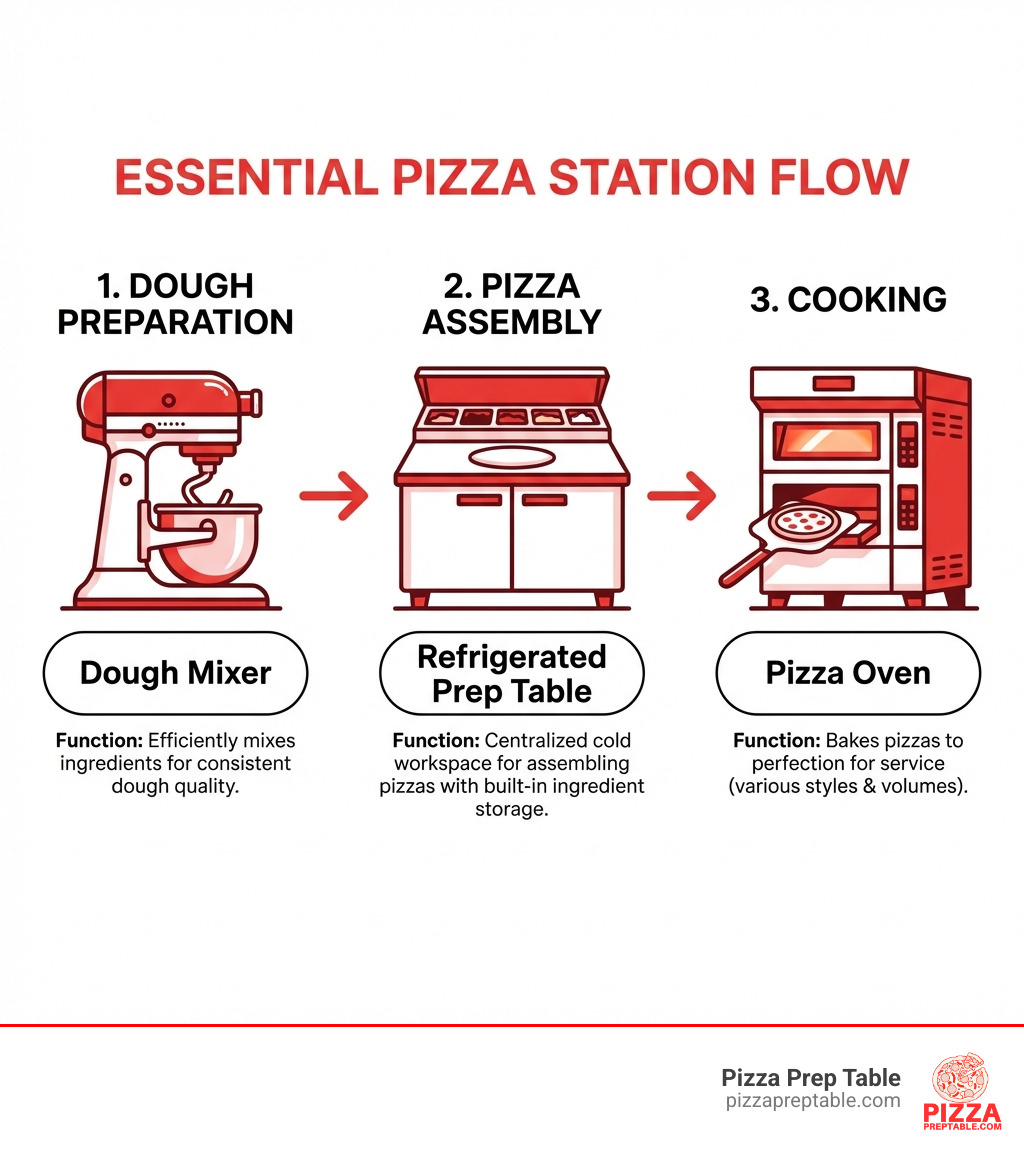
Pizza station equipment vocab explained:
The Anatomy of an Efficient Pizza Station
Building an efficient pizza station is like orchestrating a culinary symphony. Each piece of pizza station equipment plays a vital role, from the initial mixing of the dough to the final presentation of a piping hot pie. An organized and well-equipped station ensures a seamless workflow, allowing your team to move from one task to the next without interruption.
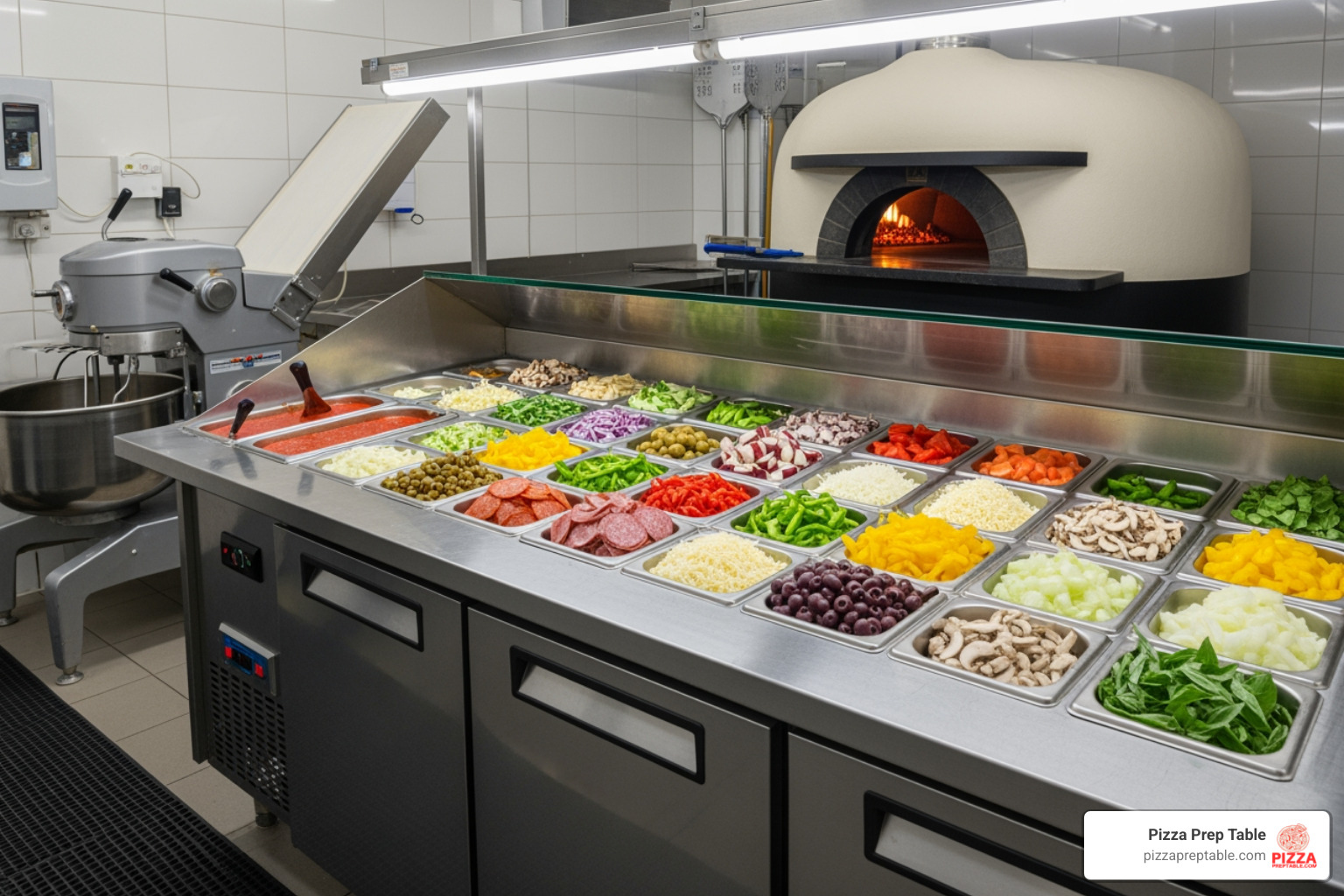
The journey from raw ingredients to a delicious pizza involves several key stages: dough preparation, pizza assembly, cooking, and post-bake handling. Let's break down the essential components that make up this journey.
Core Preparation Equipment
The foundation of any great pizza is its dough, and the equipment we use to prepare it sets the stage.
- Dough Mixers: This is where the magic begins. A high-quality dough mixer is a workhorse, designed to handle the dense, sticky nature of pizza dough. While brands like Hobart are common, offering robust performance, some prefer Italian spiral or double-arm mixers, which are known for handling dough more sensitively, pulling it away from the bowl and creating less friction, which can impact dough temperature. We often look for mixers with heavy cast-iron bases that can withstand significant torque and are built for longevity—some can last 30 to 40 years! You might even joke about putting it in your will.
- Dough Sheeters & Presses: For consistent dough thickness and shape, especially in high-volume operations, dough sheeters or presses are invaluable. A dough press, like those from DoughXpress, can quickly and uniformly flatten dough balls, saving labor and ensuring consistency. DoughXpress offers a range of food press equipment, including pizza presses, tortilla presses, and dough dockers, catering to various needs. You can explore options like their DoughXpress presses for your operation.
- Dough Dividers & Rounders: If your pizzeria handles extremely high volumes, dough dividers and rounders can significantly optimize labor. These machines precisely portion and shape dough balls, ensuring uniformity and reducing manual effort.
- Scales & Graters: Precision is key in pizza making. Accurate scales ensure consistent ingredient ratios, while commercial graters efficiently process large quantities of cheese, saving time and labor.
The Assembly Line: Prep Tables
The heart of the pizza station is undoubtedly the prep table. This is where your team spends the majority of their time, changing raw ingredients into culinary masterpieces.
- Refrigerated Prep Tables: A specialized pizza prep table with refrigeration is a game-changer. These tables are designed with a refrigerated top rail that holds ingredient pans, keeping toppings fresh, cool, and easily accessible. The under-counter section typically features refrigerated storage for dough balls, extra cheese, and other perishable items. This integrated design minimizes steps, reduces ingredient exposure to room temperature, and keeps everything within an arm's reach. Brands like True Pizza Prep Tables and Dukers Pizza Prep Tables are popular choices, known for their reliability and thoughtful design. The Marra Forni Pizza Prep Table, for instance, is a heavy-duty, refrigerated unit crafted from robust 304-gauge stainless steel, promising durability and longevity. Its design includes a rear granite backsplash and side panels, enhancing the refrigerated condiment rail and providing ergonomic access to ingredients.
- Work Surface: The surface itself is crucial. It needs to be durable, easy to clean, and ideally, maintain a cool temperature to prevent dough from sticking and ingredients from warming too quickly. We'll dig deeper into countertop materials shortly.
Cooking and Finishing
Once assembled, the pizza moves to the oven, the final stage of change.
-
Pizza Ovens: The type of oven you choose heavily depends on your pizza style and production volume.
- Deck Ovens: These are traditional ovens, often with stone or ceramic decks, that cook pizzas directly on the hot surface. They're excellent for artisan pizzas, offering consistent results and the ability to cook multiple pies simultaneously.
- Conveyor Ovens: Ideal for high-volume pizzerias and fast-casual businesses, conveyor ovens ensure consistent results by moving pizzas through a heated chamber at a set speed. They create consistently delicious pizzas at busy fast-casual businesses.
- Wood-Fired Ovens: For that authentic, smoky flavor and rustic charm, a wood-fired oven is unparalleled. They require skill to operate but deliver a unique product.
- Countertop Ovens: Space-saving countertop pizza ovens make a great addition to snack shops, cafes, bars, or any business with limited space. They are perfect for food trucks, concessions stands, and walk-up counters.
- Speed Ovens: Also known as high-speed hybrid microwave ovens, these cut down on wait times and deliver piping hot pizzas quickly, perfect for rapid service.
- Pizza Merchandisers: For slice shops or grab-and-go operations, pizza merchandisers are essential. Units like the Nemco 6452 22-Inch Pizza Merchandiser can help advertise your pizzas as viable options for a midday or evening feast. With four tiers of rotating racks, patrons can see all their options from every angle. A water reservoir and adjustable thermostat allow you to control the heat and humidity, ensuring pizzas stay moist and delicious. You can find these and similar models at Pizza Prep Table.
- Pizza Cutters & Peels: While seemingly minor, good quality pizza cutters and peels are indispensable for efficient and safe handling of hot pizzas.
Choosing Your Commercial Pizza Station Equipment
Selecting the right pizza station equipment is one of the most critical decisions for any pizzeria owner. It's not just about buying individual pieces; it's about creating a cohesive system that supports your business model, staff, and customer expectations. This involves careful consideration of several factors.
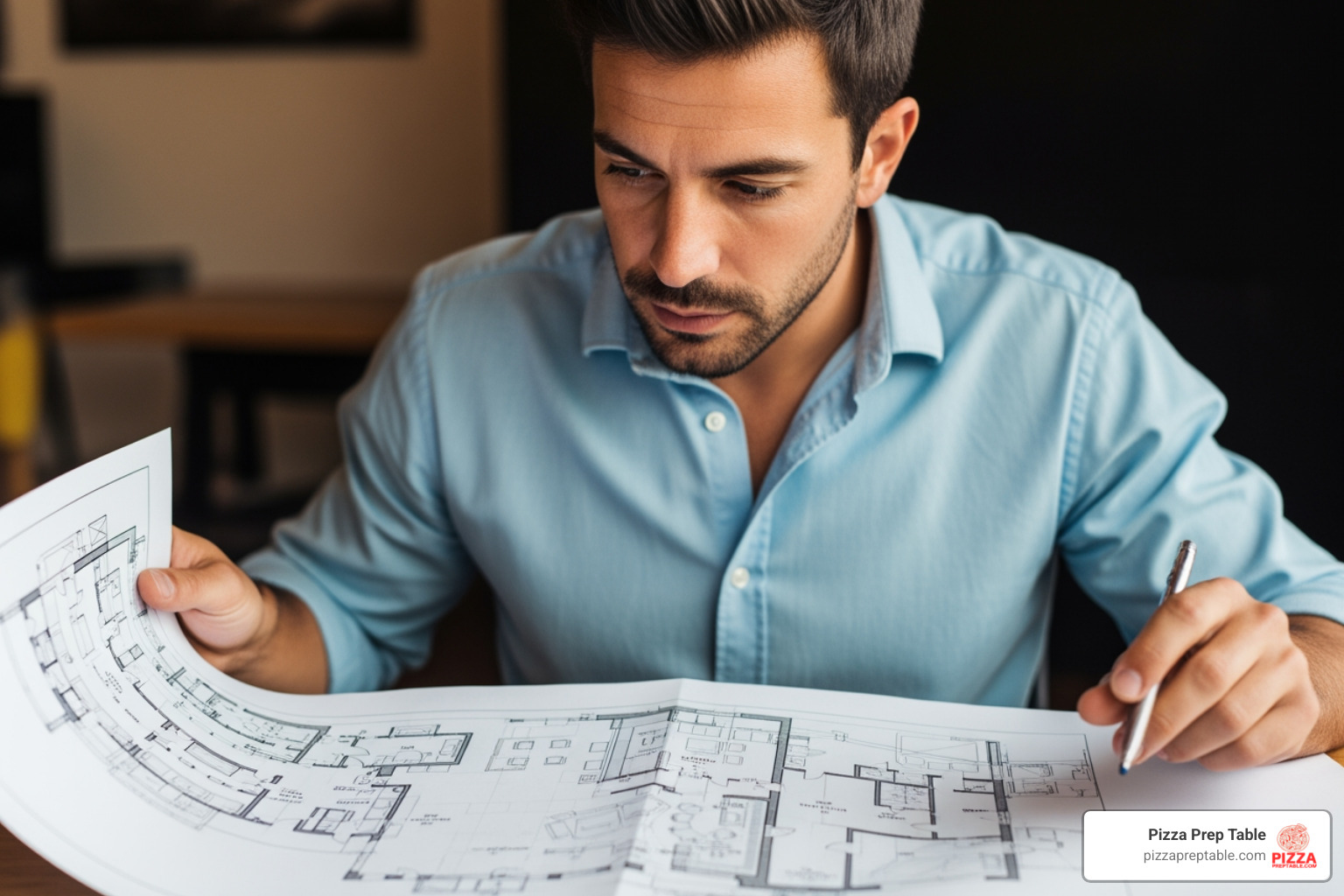
Our decisions today will impact workflow, efficiency, and profitability for years to come. Think of it as a long-term investment in your culinary future.
Assessing Your Needs: Volume, Space, and Budget
Before you even start looking at specific models, we need to understand our operational blueprint.
- Production Volume: How many pizzas do you realistically expect to make per day or per hour during peak times? Our research shows that with the right equipment, you can meet customer demand by making up to 130 oven-ready pizzas per hour, without compromising on quality or consistency. High-volume shops might need conveyor ovens and large mixers, while a small cafe might suffice with a countertop oven and a smaller prep table.
- Kitchen Footprint: Space is a premium in many urban centers like New York City, Chicago, or San Francisco. Measure your available kitchen space carefully. Will you need compact countertop units or can you accommodate full-size commercial equipment? Turnkey kits, such as a 'Slice Shop Starter' for $18,000 or 'Pizzeria Essentials' for $48,000, can help you visualize and budget for a complete setup custom to your space and volume.
- Budgeting: Pizza station equipment can be a significant upfront cost. It's crucial to set a realistic budget. Remember to factor in not just the purchase price but also installation, maintenance, and potential financing costs. We understand that this investment can be substantial, which is why we offer various pizza restaurant financing options to help you get the equipment you need without breaking the bank.
Matching Equipment to Your Pizza Style
The type of pizza you plan to make is a major driver of equipment choice, especially when it comes to ovens and prep surfaces.
-
Oven Temperature Requirements:
- Neapolitan Pizza: Requires extremely high temperatures (upwards of 900°F) for a quick bake and characteristic charred crust. Wood-fired or specialized Neapolitan ovens are ideal. Consider a Neapolitan Pro Lab equipment package if this is your focus.
- Chicago Deep-Dish: Needs a lower, slower bake, often in a deck oven, to cook through the thick crust and abundant toppings.
- New York-Style Slice: Benefits from high heat (around 550-700°F) in a deck oven to achieve a crispy bottom and chewy crust.
- Dough Handling: If you're doing hand-stretched dough, you'll want specific countertop materials that facilitate this process. If you're using dough presses, the prep table surface might be less critical for the stretching process itself, but still important for overall workflow.
Technical and Ergonomic Considerations
Beyond the basics, we must also consider the practicalities of operating the equipment day-in and day-out.
- Electrical Requirements: This is often overlooked but can be a costly mistake. Different pizza station equipment has varying electrical needs (e.g., 120V vs. 230V, single-phase vs. three-phase). Always check the wattage and amperage. For example, a Roundup PS-314 pizza station requires 1800 watts, 15 amps, and 120 volts. Ensure your commercial kitchen in places like Los Angeles or Dallas can support the required electrical load. Many items will specify a NEMA plug type, so your outlets must match.
- Employee Workflow and Ergonomic Design: A well-designed pizza station improves employee ergonomics and satisfaction. This means ensuring ingredient pans are at an comfortable height, the work surface is ample, and movement is minimized. Ergonomic access to ingredients, as seen in prep tables with well-designed condiment rails and backsplashes, reduces strain and speeds up service. When employees are comfortable, they can focus on meaningful tasks, such as customer service, quality control, and menu development, leading to boosted morale.
- NSF Certification: Always look for equipment that is NSF certified. This indicates that the equipment meets strict public health standards for design, materials, and construction, ensuring it's easy to clean and safe for food contact. Understanding What is NSF Certification? is vital for compliance and food safety.
- Kitchen Flow: The layout of your pizza station equipment should promote a natural, linear flow from dough prep to oven. This prevents bottlenecks and reduces unnecessary movement, improving overall efficiency.
The Heart of the Line: The Refrigerated Pizza Prep Table
The refrigerated pizza prep table is arguably the most crucial piece of pizza station equipment. It's the central hub where all the elements come together, changing raw ingredients into a masterpiece. A well-chosen pizza prep table is a strategic asset, significantly impacting food safety, efficiency, ingredient freshness, and labor optimization.
Benefits of an Integrated Prep Station
Integrating refrigeration directly into your prep table offers a multitude of advantages that directly impact your bottom line and product quality.
- Reduced Food Waste: By keeping ingredients at optimal temperatures, perishable toppings stay fresh longer, significantly reducing spoilage and waste. This can improve cook times and lower food and operating costs.
- Improved Cook Times: With all ingredients organized and chilled in the top rail, your team can assemble pizzas faster, cutting down on prep time and getting pies into the oven quicker.
- Lower Operating Costs: Beyond reducing food waste, efficient refrigeration and streamlined workflow contribute to overall lower operating costs.
- Integrated Ingredient Storage: The refrigerated top rail provides immediate access to toppings, while under-counter storage keeps dough balls and backup ingredients at ideal temperatures. This eliminates the need for constant trips to a walk-in cooler, saving time and energy.
- Ergonomic Access to Toppings: A well-designed condiment rail allows staff to easily reach and grab ingredients without excessive bending or stretching, contributing to better employee comfort and efficiency.
We offer a wide selection of tables to suit every need; you can View all Pizza Prep Tables on our site.
Choosing the Right Countertop Surface
The work surface of your pizza prep table is where the action happens. The material you choose can affect dough handling, temperature control, and durability.
| Countertop Material | Coolness Retention | Durability | Maintenance | Cost | Pros | Cons |
|---|---|---|---|---|---|---|
| Granite | Excellent | High | Moderate (sealing needed) | High | Keeps lower temperatures, optimizing food prep; tough, stain-resistant, won't scorch; abundant workspace. | Requires sealing to prevent staining; heavy. |
| Marble | Excellent | Moderate | High (porous) | High | Ideal for dough work due to natural coolness; classic aesthetic. | Very porous, stains easily; requires frequent sealing and careful cleaning; can be etched by acids. |
| Stainless Steel | Good | Very High | Low | Moderate | Extremely durable, hygienic, easy to clean, non-porous; common in commercial kitchens. | Can be loud; scratches visible; can absorb ambient heat more quickly than stone. |
For those who prioritize lower temperatures for dough and ingredient management, a solid granite work surface, like the 30″ deep one found on the Marra Forni Pizza Prep Table, is an excellent choice. It naturally retains cooler temperatures, which is ideal for working with dough and keeping ingredients fresh. This is particularly beneficial for hand-stretched dough. Soapstone, granite, or marble countertops are often recommended for their toughness, stain resistance, and ability to withstand hot pans without scorching.
Key Features in Pizza Station Equipment
When investing in a refrigerated pizza prep table, we look for specific features that guarantee longevity, performance, and ease of use.
- 304-Gauge Stainless Steel: This robust material is crucial for durability and hygiene in a commercial kitchen. It resists corrosion and is easy to clean.
- Self-Closing Doors with Magnetic Gaskets: Essential for maintaining consistent internal temperatures, preventing energy loss, and ensuring food safety. The 3/8″ Polyurethane Insulated self-closing doors with magnetic door gaskets, as described in our research, are a prime example of this.
- Efficient Refrigeration System: Look for shared refrigeration between sections, an automatic defrost cycle, and an evaporator condensate tray. An airflow managed through a front-breathing louvered panel is a plus, as it prevents dust and flour from clogging the system, especially in busy pizzerias.
- Capacity: Ensure the unit can accommodate standard 18″ x 26″ full-size sheet pans or stackable dough trays. For high-volume operations, larger units like 93-inch prep tables for high capacity offer ample space.
- Coved Interiors: This seemingly small detail makes a huge difference in daily cleaning. Coved (rounded) corners eliminate crevices where food particles can accumulate, making sanitation much easier and more effective.
Maximizing ROI: Maintenance, Efficiency, and Innovations
Investing in high-quality pizza station equipment is just the first step. To truly maximize your return on investment, we need to focus on proper maintenance, optimizing operational efficiency, and staying abreast of the latest innovations. This approach leads to efficiency gains, labor optimization, significant cost reductions, and ultimately, future-proofing your kitchen.
Maintenance Tips for Your Pizza Station Equipment
Regular, diligent maintenance is key to ensuring the longevity and optimal performance of your equipment.
- Daily Cleaning: This is non-negotiable. After each shift, thoroughly clean all surfaces, especially the prep table and oven interiors. Coved interiors, as mentioned, greatly simplify this task.
- Condenser Maintenance: This is a critical point, especially in a flour-heavy environment like a pizzeria. Flour can annihilate the condenser of your pizza station refrigeration units. A clogged condenser forces the unit to work harder, leading to higher energy consumption and premature failure. We've seen condensers ruined by flour buildup, requiring replacement every three years. The solution? A simple, yet effective, hack: cut a filter (typically 10”x10” or 8”x8”) to size and place it in front of the condenser intake. Replace this filter regularly to catch flour and dust, ensuring proper airflow and protecting your unit.
- Regular Service Checks: Schedule professional preventative maintenance. This can catch minor issues before they become major, costly breakdowns. This is particularly important for complex machinery like ovens and mixers. You can find reliable models like Kelvinator Prep Table models that are designed for easy maintenance.
Warranty and Serviceability
When purchasing pizza station equipment, the warranty and availability of service are just as important as the features themselves.
- Warranty Considerations: Always review the warranty terms. A standard offering for quality equipment, such as the Marra Forni table, includes a 2-Year Parts and Labor Warranty, plus a 3-Year Compressor warranty. This provides peace of mind for significant investments.
- Service Plan Importance: We cannot stress this enough: check, double-check, and triple-check the service plan! Make sure there is an authorized service person within one hour of your business. Why? Because when your mixer breaks on a Friday night, you want somebody there within 12 to 24 hours so you’re not mixing 50 pounds of flour by hand! Prompt service is crucial to avoid manual labor and business disruption, especially during peak hours in busy cities like Boston or Seattle.
The Impact on Operating Costs and Food Waste
Thoughtful equipment choices and diligent practices can significantly reduce your operating costs and minimize food waste.
- Energy Efficiency: Modern pizza station equipment is designed with energy efficiency in mind. For example, switching from gas to electric ovens can lead to substantial savings. One pizzeria owner reported saving an average of more than $400 a month after making this switch! This demonstrates the potential for long-term cost reduction.
- Proper Refrigeration Temperatures: Maintaining correct temperatures in your pizza prep table ensures ingredient freshness, which directly translates to reduced food spoilage and waste.
- FIFO Method: Implementing a "First-In, First-Out" (FIFO) system for your ingredients, especially those stored in your prep table, further minimizes waste by ensuring older products are used before they expire.
- Reduced Ingredient Spoilage: Effective refrigeration, such as that offered by models like 60-inch pizza prep tables for mid-size kitchens, plays a direct role in maintaining ingredient quality and preventing spoilage, lowering food costs.
Latest Trends and Innovations
The foodservice industry is constantly evolving, and pizza station equipment is no exception. Staying informed about the latest trends can give your pizzeria a competitive edge.
- Automation in Pizza Making: Technologies that can produce up to 130 oven-ready pizzas per hour are emerging, allowing employees to focus on quality control and customer service rather than repetitive tasks.
- Ventless Ovens: For businesses with limited space or without access to traditional ventilation systems, ventless countertop and conveyor models are a game-changer. They are ideal for snack bars, food trucks, and concession stands in locations like Austin or Denver.
- High-Speed Hybrid Ovens: These ovens combine microwave and convection technologies to drastically reduce cooking times, perfect for environments.
- Smart Kitchen Technology: Integrated systems that monitor temperatures, track inventory, and even assist with recipe execution are becoming more common, offering greater control and efficiency.
- Ergonomic Designs: Manufacturers are increasingly focusing on equipment designs that improve employee comfort and reduce physical strain, leading to happier staff and lower rates of injury.
Frequently Asked Questions about Pizza Station Equipment
We often get asked similar questions by pizzeria owners looking to optimize their operations. Here are some of the most common inquiries.
What is the most essential piece of pizza station equipment?
While every component plays a role, we believe the refrigerated pizza prep table is the most essential piece of pizza station equipment. It serves as the central hub for pizza assembly, ensuring food safety by keeping ingredients chilled and fresh. Its integrated design improves workflow efficiency by placing all necessary toppings and dough within arm's reach, combining storage and workspace into one compact unit.
How do I choose between a deck oven and a conveyor oven?
The choice between a deck oven and a conveyor oven largely depends on your pizza style, desired output, and staff skill level.
- Deck ovens are ideal for artisan quality, allowing for varied cook times and temperature zones that can produce a range of pizza styles from Neapolitan to New York-style. They require more skilled operators but offer greater control.
- Conveyor ovens are best for high-volume and consistency, making them perfect for fast-casual businesses or franchises that need to produce a large number of identical pizzas quickly with minimal training.
Consider your production volume, the specific type of pizza you want to serve, and the expertise of your kitchen staff when making this decision.
How can I prevent my prep table's refrigerator from breaking down?
The most common cause of breakdown for a refrigerated prep table in a pizzeria is flour buildup in the condenser. Flour particles, common in any pizza kitchen, can be drawn into the condenser coils, clogging them and preventing proper heat dissipation. This forces the compressor to work harder, leading to overheating and eventual failure.
To prevent this, we highly recommend a simple but effective maintenance trick: cut a filter (like a furnace filter material) to size and place it directly over the condenser intake. Regularly clean or replace this filter to ensure proper airflow and keep flour from reaching the coils. This small step can significantly extend the life of your unit and prevent costly repairs.
Conclusion
Outfitting your pizzeria with the right pizza station equipment is a strategic investment in your business's future. From the dough mixer that churns out perfect crusts to the refrigerated prep table that keeps ingredients fresh and organized, every piece contributes to a seamless operation. By making informed choices, you improve efficiency, ensure food safety, optimize labor, and ultimately, deliver the consistent quality that keeps customers coming back for more.
The benefits are clear: reduced food waste, improved cook times, lower operating costs, and boosted employee morale. We've seen how the right equipment can transform a kitchen, allowing you to meet customer demand for up to 130 oven-ready pizzas per hour without compromising on consistency or taste.
At Pizza Prep Table, we understand the unique demands of the pizza business. That's why we offer a wide selection of commercial pizza prep tables and restaurant equipment, designed to meet the diverse needs of pizzerias across cities like Chicago, Houston, and Philadelphia. Whether you're a small slice shop or a growing franchise, we're here to help you build an efficient, profitable, and delicious operation.
Ready to optimize your pizza station? Explore our complete collection of pizza prep tables and find the perfect equipment to take your pizzeria from dough to delicious!