

Fast Fixes for Your Business: Commercial Refrigeration Repair
Why Fast, Reliable Commercial Refrigeration Repair Protects Your Bottom Line
Commercial refrigeration repair is the service that keeps your food safe, your customers happy, and your business running. When your walk-in cooler starts making strange noises or your pizza prep table can't hold temperature, every minute counts. A malfunctioning refrigeration system can lead to thousands of dollars in spoiled inventory, failed health inspections, and lost revenue.
If you need commercial refrigeration repair immediately, here's what to do:
- Call a 24/7 emergency repair service - Many providers offer same-day or next-day service
- Move perishable inventory to working units if possible
- Document the issue with photos and temperature readings for insurance purposes
- Expect to pay $50-$150 for a service call, plus $50-$150/hour for labor and parts
- Ask about warranties - Most reputable services offer 90-day guarantees on repairs
The food service industry depends on reliable refrigeration. A restaurant's walk-in cooler breaking down can mean losing an entire weekend's worth of prepped ingredients. For a pizzeria, a failing prep table means you can't safely store your dough, cheese, or toppings. As one service provider notes in their customer testimonials, businesses that experience refrigeration failure often face response times of 24-48 hours from some companies—but the best providers arrive within 45 minutes for emergencies.
Common equipment that needs repair includes:
- Walk-in coolers and freezers
- Reach-in refrigerators and freezers
- Pizza prep tables and sandwich prep units
- Display cases and merchandisers
- Ice machines
- Undercounter refrigerators
I'm Sean Kearney, and I've spent years helping restaurant owners steer commercial kitchen equipment, including understanding when commercial refrigeration repair makes sense versus replacement. My background in sales and deep knowledge of the foodservice industry has taught me that the right equipment decisions can make or break a small restaurant's success.
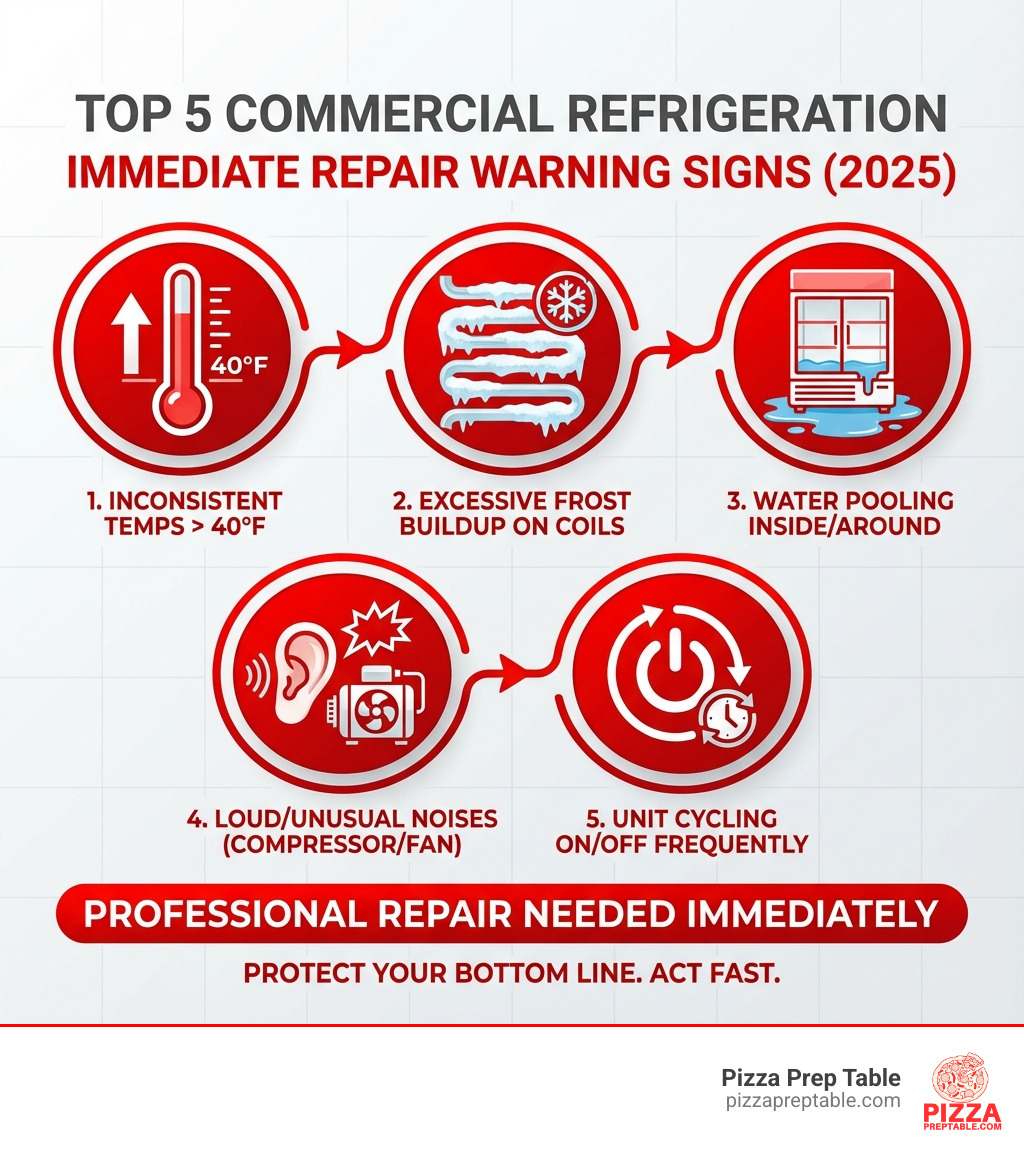
Simple commercial refrigeration repair word guide:
Recognizing the Red Flags: When Your Equipment Needs Repair
Imagine the hum of a perfectly functioning kitchen, then suddenly, a strange grinding sound from your walk-in. Or perhaps the subtle drip-drip-drip where there should be none. These aren't just minor annoyances; they're often urgent calls for commercial refrigeration repair. Recognizing these warning signs early can save your business from significant headaches and expenses.
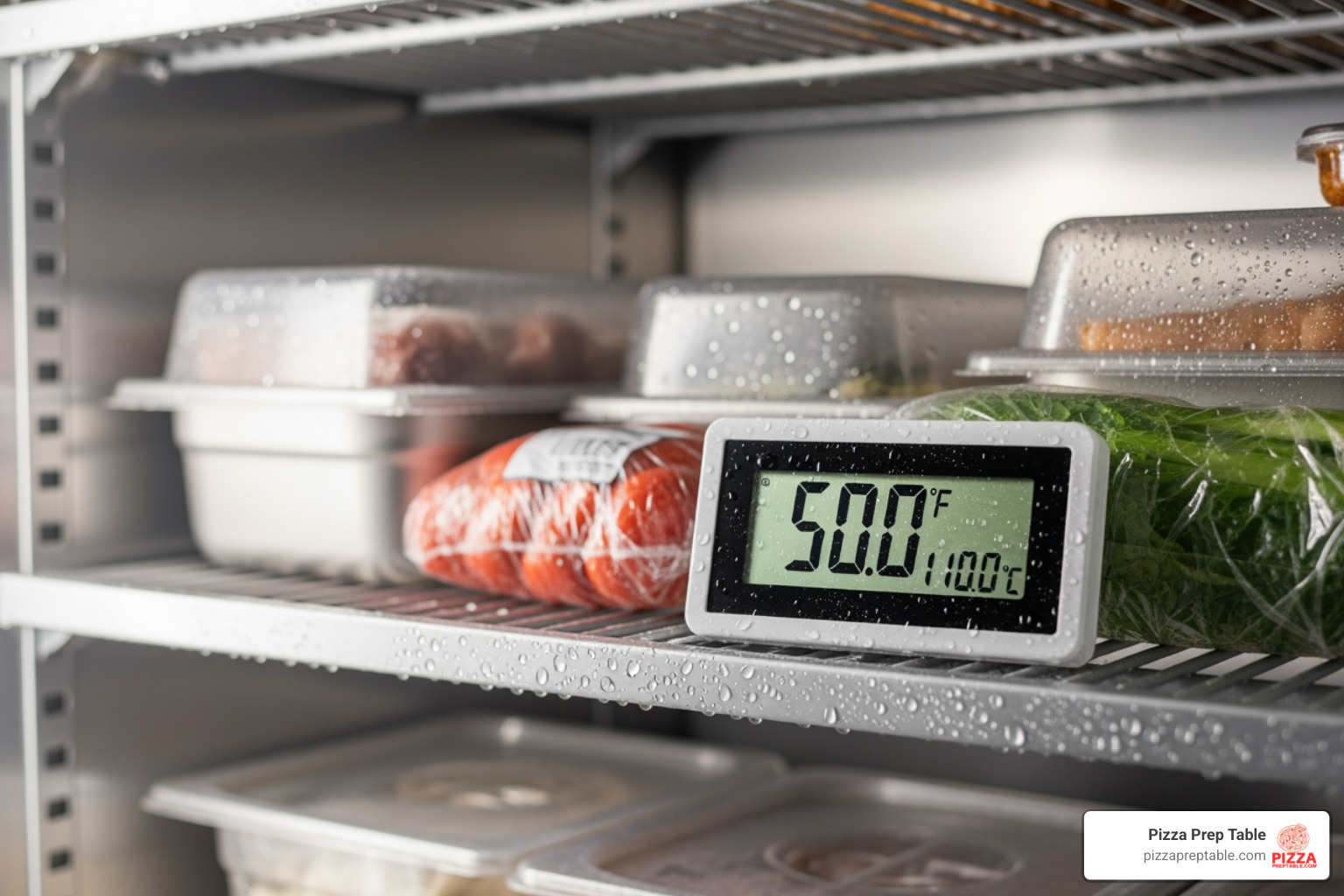
When your commercial refrigeration equipment starts acting up, it usually gives you clues. We've seen it all, from the obvious to the subtle. Here's what to look out for:
- Temperature fluctuations: If your digital thermometer shows temperatures creeping up (or even too low), it's a major red flag. Food safety regulations require specific temperature ranges, and any deviation means your product is at risk.
- Excessive noise: Commercial refrigeration units are designed to operate with a certain level of background noise. But if you hear unusual grinding, hissing, rattling, or banging, it often indicates a mechanical problem with the compressor, fan motors, or other components.
- Frost buildup: A little frost is normal, but excessive ice or frost on evaporator coils or inside the unit, especially if it's more than a quarter-inch thick, points to a defrost system issue, a damaged door gasket, or even a refrigerant leak.
- Water leaks: Puddles of water inside or around your unit are never a good sign. This can stem from a clogged drain line, a damaged drain pan, or issues with the defrost cycle.
- Strange odors: A foul smell coming from your refrigerator, even after cleaning, could indicate bacterial growth, a spoiled product in an inaccessible area, or a motor issue.
Common Warning Signs of a Failing Unit
Beyond the immediate red flags, there are other, sometimes less obvious, signs that your commercial refrigeration equipment is struggling and might soon require commercial refrigeration repair.
- Unit not turning on: This is the most straightforward sign. If your unit is completely dead, check the power source, circuit breaker, and power cord first. If those are fine, it's likely an internal electrical or component failure.
- Frequent cycling: If your compressor is turning on and off more frequently than usual, it's working harder than it should to maintain temperature. This could indicate a dirty condenser coil, low refrigerant, or a faulty thermostat.
- Inconsistent temperatures: You might find some areas of your unit are colder than others, or that temperatures vary throughout the day. This can be caused by poor airflow, a failing fan motor, or a weak compressor.
- Damaged door seals: Gaps or tears in door gaskets allow warm air to seep in, forcing your unit to work harder, leading to higher energy bills and potential temperature control issues. Regularly checking these seals is a simple preventative measure.
- High energy bills: If your utility costs suddenly spike without a corresponding increase in usage, your refrigeration system might be losing efficiency. This can be due to dirty coils, a failing compressor, or poor insulation.
For a more in-depth look at identifying and addressing these issues, we recommend consulting A detailed troubleshooting guide.
Equipment Types That Frequently Need Service
In the busy environment of a commercial kitchen, every piece of refrigeration equipment works tirelessly, often 24/7. This constant operation makes them prone to wear and tear, necessitating regular commercial refrigeration repair and maintenance. Here at Pizza Prep Table, we understand the critical role each unit plays.
The most common types of commercial refrigeration equipment that our clients in places like New York City, Los Angeles, Chicago, and Houston frequently need service for include:
- Walk-in coolers and freezers: These large, indispensable units are the backbone of many food service operations, from restaurants to grocery stores. Malfunctions can lead to massive inventory losses. Learn more about their importance in Walk-In Wonders: Why Your Restaurant Needs a Commercial Refrigerator.
- Reach-in refrigerators and freezers: Found in nearly every commercial kitchen, these units provide convenient access to ingredients. Issues often relate to door seals, temperature control, or compressor problems.
- Pizza prep tables and sandwich prep units: Essential for efficient food preparation, these specialized units keep ingredients chilled and organized. A breakdown here can halt your entire prep line. Find top options in Top Pizza Prep Fridges for Your Commercial Kitchen.
- Display cases and merchandisers: Crucial for retail, bakeries, and delis, these units keep products appealingly visible and at safe temperatures. Their repair often focuses on lighting, glass integrity, and consistent cooling.
- Ice machines: A staple in bars, restaurants, and hotels, a broken ice machine can quickly become a significant inconvenience, impacting beverage service and customer satisfaction.
- Undercounter refrigerators: Perfect for tight spaces and immediate access, these units are common in bars and smaller prep areas. You can explore options for these convenient units in our guide to Undercounter Refrigerators.
Each of these units, while serving different purposes, shares a common vulnerability: they are complex machines that require expert attention when things go wrong.
The High Cost of Delay: Consequences and Diagnosis
Ignoring a flickering light or a strange hum from your commercial refrigerator might seem like a way to save money in the short term. However, we've seen countless businesses in cities like Dallas, Boston, and San Francisco learn the hard way that delaying commercial refrigeration repair almost always leads to far greater costs. It's not just about the repair bill; it's about the entire ecosystem of your business.
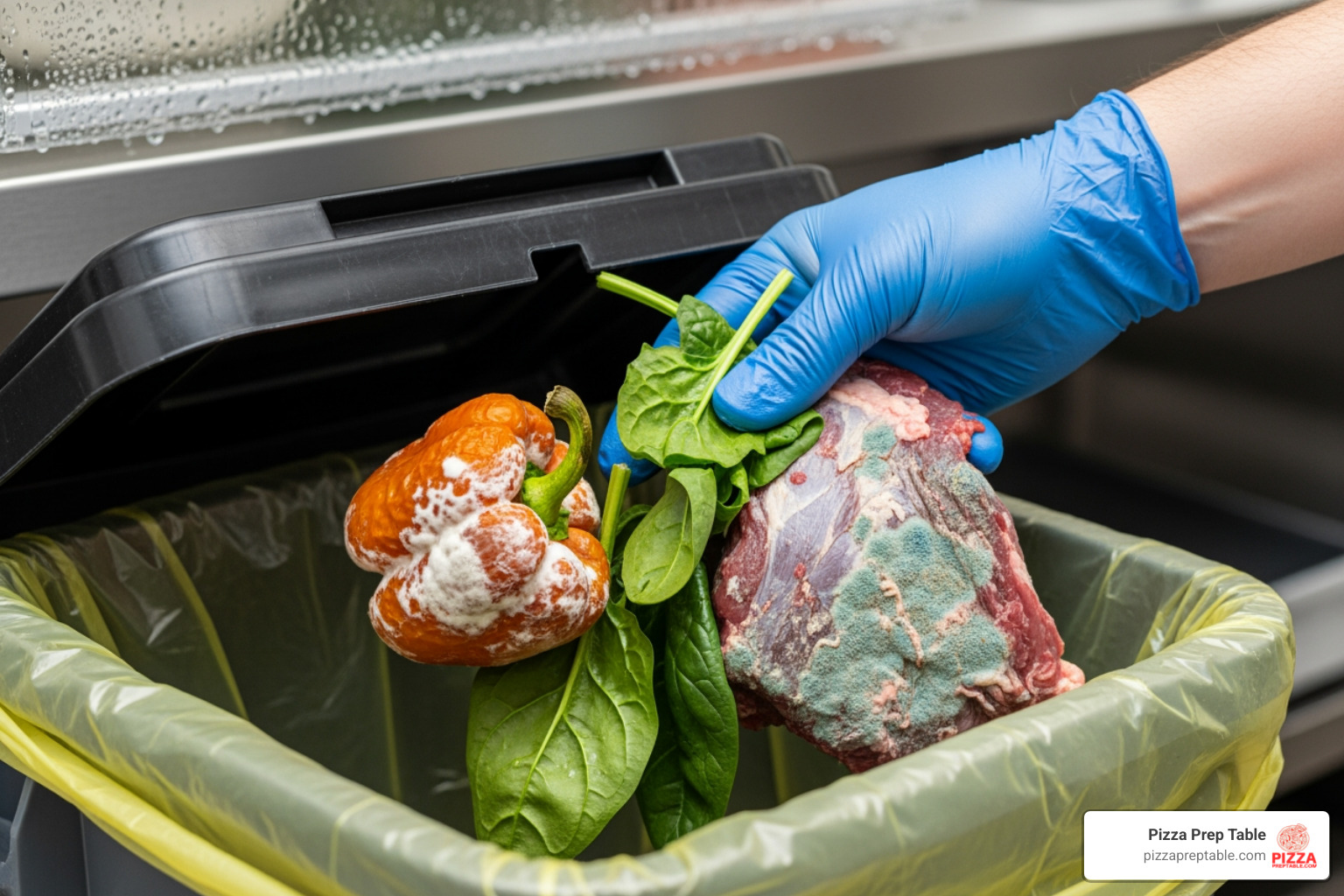
The consequences can be severe, extending far beyond a simple fix:
- Health code violations: Maintaining proper food temperatures is non-negotiable. A malfunctioning unit can quickly push temperatures into the "danger zone," leading to bacterial growth and potential health code violations, fines, or even temporary closure.
- Lost revenue: Spoiled inventory means wasted money. But it also means lost sales if you can't serve certain dishes or products. Moreover, if your business has to temporarily close or reduce operations due to a refrigeration failure, that's immediate lost revenue.
- Damaged business reputation: Word travels fast, especially in the age of online reviews. A health code violation, foodborne illness, or simply running out of popular items due to refrigeration issues can severely tarnish your reputation and drive customers away.
- Emergency repair costs: Delaying a minor repair can turn it into a major emergency. Emergency service calls often come with higher fees, and the damage to other components can increase the overall repair cost significantly.
The Domino Effect of Neglecting Repairs
When a commercial refrigeration unit falters, it rarely does so in isolation. The problems can cascade, creating a "domino effect" that impacts every aspect of your operation.
- Spoiled inventory: This is often the first and most direct consequence. Perishable goods, from fresh produce to dairy and meats, quickly become unsafe and unusable if not stored at the correct temperatures. Commercial refrigeration systems are essential for businesses in the food and beverage industry, and a malfunctioning system can lead to significant inventory losses.
- Failed health inspections: Health inspectors are vigilant about temperature control. If your equipment can't maintain safe temperatures, you risk immediate citations, fines, or even mandatory shutdowns.
- Unhappy customers: If you have to tell customers you're out of their favorite dish because ingredients spoiled, or if they experience food quality issues, they're unlikely to return.
- Increased energy consumption: A struggling unit works harder to maintain temperature, consuming more electricity and driving up your utility bills. Faulty door seals, dirty coils, or a weak compressor all contribute to this inefficiency.
- Complete equipment failure: What starts as a small issue can, if neglected, lead to the complete breakdown of the unit. This often means a more expensive repair or, worse, the need for a full replacement, which is a substantial capital outlay.
Prompt and reliable repair services are crucial to minimize business disruption caused by commercial refrigeration equipment malfunctions.
The Professional Diagnostic Process
When you call in a professional for commercial refrigeration repair, they don't just guess at the problem. Our experienced technicians in places like San Diego, Philadelphia, and Seattle follow a systematic approach to accurately diagnose the issue, ensuring a long-lasting fix.
- Systematic approach: Technicians are trained to approach troubleshooting methodically. They'll start with the most common and obvious issues before delving into more complex diagnostics.
- Visual inspection: The first step is often a thorough visual check. They'll look for obvious signs like frost buildup, damaged wiring, leaks, or obstructions around fans and coils.
- Temperature and power checks: Using specialized tools, they'll verify the internal temperatures, check power supply to the unit, and ensure all electrical connections are secure. A unit failing to power on might be a simple blown fuse or a more complex power supply issue.
-
Component assessment: Each major component is then carefully assessed:
- Compressor: This is the heart of the refrigeration system. Technicians will check its operation, listen for unusual noises, and ensure it's cycling correctly. A failing compressor can cause the unit to run constantly or not at all.
- Condenser coils: Located on the exterior, these coils dissipate heat. Dirty coils are a common culprit for inefficiency and can be easily identified and cleaned.
- Evaporator fan: Inside the refrigerated compartment, this fan circulates cold air. Technicians check if it's running smoothly and quietly.
- Refrigerant leak detection: Refrigerant is the lifeblood of your system. If there's a leak, the unit won't cool effectively. Professionals use leak detectors to pinpoint the source and then repair it according to EPA regulations. Refrigerants can be harmful if inhaled and have environmental impacts, so their handling is left to trained professionals.
This meticulous process ensures that the root cause of the problem is identified and addressed, preventing recurring issues and keeping your equipment running efficiently.
The Ultimate Guide to Commercial Refrigeration Repair
When your commercial refrigeration unit breaks down, it's not just an inconvenience; it's a crisis for your business. From restaurants in Los Angeles to grocery stores in Chicago, reliable cooling is paramount. Navigating commercial refrigeration repair can feel overwhelming, but understanding the process, costs, and the importance of professional help can make all the difference.
Understanding the Cost of Commercial Refrigeration Repair
The cost of commercial refrigeration repair can vary widely depending on the nature of the problem, the parts required, and the service provider. We believe in transparency, so here's a breakdown of what typically influences the final bill:
- Service call fees: Most companies charge a flat fee to dispatch a technician to your location. This usually covers the initial diagnosis. These fees can range from $50 to $150.
- Hourly labor charges: Beyond the service call, you'll pay for the technician's time. Labor rates typically fluctuate between $50 and $150 per hour, depending on the complexity of the job and the technician's expertise.
- Cost of replacement parts: This can be the most variable component. Simple parts like a new thermostat or fan motor are relatively inexpensive, while major components like a compressor or evaporator coil can be quite costly. Technicians often carry common replacement parts on their trucks to minimize downtime during repairs.
- Refrigerant costs: If your system has a leak and needs a refrigerant recharge, the cost will include the refrigerant itself, which can range from $15 to $100 per pound, plus the labor for leak detection and repair.
- After-hours or emergency fees: If your unit breaks down in the middle of a dinner rush or overnight, 24/7 emergency service is often available and necessary. However, be prepared for higher rates for repairs outside of standard business hours.
The total cost of commercial refrigeration troubleshooting can include service call fees, labor charges, parts and materials, and potential revenue loss from downtime.
Repair vs. Replace: Making the Smart Financial Decision
Sometimes, a repair isn't the most economical long-term solution. Deciding whether to repair or replace your commercial refrigeration equipment is a critical business decision. We help our clients in busy cities like Las Vegas and Austin weigh their options.
Consider these factors:
- Age of equipment: Older units, especially those past their typical lifespan (often 10-15 years for commercial units), may be more prone to breakdowns.
- Frequency of repairs: If your unit constantly needs commercial refrigeration repair, the cumulative cost can quickly exceed the value of the equipment.
- Cost of repair vs. new unit: Get a detailed quote for the repair. If the repair cost is more than 50% of the price of a new, comparable unit, replacement might be the smarter choice.
- Energy efficiency benefits: Newer models are often significantly more energy-efficient, offering long-term savings on utility bills that can offset the initial investment.
- Availability of parts: For very old or discontinued models, finding replacement parts can be difficult and expensive, leading to extended downtime.
While we are experts in commercial refrigeration repair, we also encourage our clients to explore new equipment when it makes financial sense. You can browse our selection of top-rated commercial refrigerators to see what's available.
Why Hiring a Professional is Non-Negotiable
When it comes to commercial refrigeration repair, DIY is rarely a good idea. These are complex systems with high-pressure refrigerants and intricate electrical components. Entrusting your repair to a certified professional is paramount for several reasons:
- Expertise and experience: Professional technicians possess specialized knowledge of refrigeration cycles, electrical systems, and the nuances of various commercial models. They can accurately diagnose complex issues that an untrained eye would miss.
- Safety standards: Working with refrigerants and high-voltage electricity carries significant risks. Professionals are trained in safety protocols to prevent injury and damage to your property.
- Proper tools and diagnostics: Technicians come equipped with specialized gauges, meters, leak detectors, and diagnostic software to pinpoint problems accurately and efficiently.
- Service warranties: Reputable repair services, like many we work with in Phoenix and Charlotte, offer warranties on both parts and labor. A 90-day parts and labor warranty is a common offering for commercial refrigeration repair services, giving you peace of mind.
- Compliance with EPA regulations: Handling and disposing of refrigerants are subject to strict environmental protection agency (EPA) regulations. Certified technicians ensure compliance, avoiding hefty fines for your business.
Choosing a professional commercial refrigeration repair service ensures that the job is done correctly, safely, and efficiently, protecting your investment and your business's reputation.
Proactive Measures: Maintenance and Preparation
Even the most robust commercial refrigeration units in Indianapolis or Washington D.D. benefit from a little love. Proactive measures, including regular maintenance and proper preparation for service calls, are key to minimizing breakdowns and extending the life of your equipment. It's like giving your hardest-working employee a much-needed spa day!
The Power of a Preventative Maintenance Plan
Think of preventative maintenance as an insurance policy for your refrigeration equipment. It's an investment that pays dividends by preventing costly, unexpected breakdowns and ensuring peak performance.
- Extending equipment lifespan: Regular inspections and cleaning can add years to your unit's operational life, delaying the need for expensive replacements.
- Reducing energy bills: Clean coils, intact door seals, and properly calibrated thermostats mean your unit runs more efficiently, consuming less electricity. Preventative maintenance for commercial refrigeration equipment can help identify potential issues early, extend equipment lifespan, and ensure efficient operation.
- Preventing costly breakdowns: Catching small issues before they escalate into major failures saves you the expense of emergency repairs and the potential loss of valuable inventory.
A comprehensive preventative maintenance plan should include:
- Clean condenser coils: Dirty coils are one of the most common causes of refrigeration problems. Regular cleaning ensures efficient heat exchange.
- Check door gaskets: Inspect door seals for cracks, tears, or looseness. Replace damaged gaskets to prevent warm air infiltration.
- Calibrate thermostats: Ensure your thermostat is accurately reading and maintaining the desired temperature.
- Clear drain lines: Prevent clogs that can lead to water leaks and frost buildup.
- Inspect fan motors and blades: Ensure they are clean, unobstructed, and operating quietly.
- Monitor refrigerant levels: While not a DIY task, a technician can check levels during maintenance to ensure optimal cooling.
Regular professional maintenance is essential for efficiency and longevity, and it can prevent the loss of effectiveness and energy consumption efficiency over time.
How to Prepare for a Service Call
When you've identified a problem and called for commercial refrigeration repair, a little preparation on your part can significantly speed up the service process and potentially reduce costs.
- Clear the area around the unit: Ensure the technician has easy and safe access to all sides of the equipment. Move any boxes, shelving, or other obstructions.
- Have model and serial number ready: This information is usually on a data plate inside the unit or on its exterior. It helps the technician quickly identify parts and technical specifications.
- Describe the symptoms accurately: Be as specific as possible about what happened, when it started, and any unusual sounds, smells, or visual cues. "It's not cold" is less helpful than "The temperature spiked to 55 degrees last night, and there's a loud grinding noise coming from the back."
- Ensure safe access for the technician: If the unit is in a locked area or requires special access, make sure someone is available to assist the technician upon arrival.
The Future of Refrigeration Repair Technology
The world of commercial refrigeration repair isn't standing still. Advancements in technology are making units smarter, more efficient, and easier to diagnose. We're seeing exciting trends emerge that promise to improve reliability and reduce downtime for businesses in cities like Atlanta and Columbus.
- Smart systems: New developments include smart systems with built-in diagnostics. These units can often self-monitor their performance and even alert you to potential issues before they become critical.
- Remote monitoring software: Refrigeration management software allows technicians and business owners to monitor units remotely. This means potential problems can be identified and sometimes even troubleshooted from afar, leading to quicker resolutions and fewer on-site visits.
- Eco-friendly refrigerants: The industry is moving towards more environmentally friendly refrigerants with lower global warming potential, impacting both new installations and repair procedures.
These innovations mean that commercial refrigeration repair is becoming more precise and proactive, helping businesses maintain optimal conditions with greater ease.
Frequently Asked Questions about Commercial Refrigeration Repair
How much does a typical commercial refrigeration repair cost?
Costs vary based on the issue, parts needed, and labor rates, but can range from a few hundred to several thousand dollars. Factors include service call fees ($50-$150), labor ($50-$150/hour), and part costs. For example, a simple fix like cleaning condenser coils might be on the lower end, while a compressor replacement would be significantly higher. The good news is that many reputable service providers offer a 90-day parts and labor warranty, so you can be confident in the repair.
How often should I have my commercial refrigeration equipment serviced?
Preventative maintenance is recommended at least twice a year. High-use kitchens, like those in busy restaurants across New York City or Los Angeles, may benefit from quarterly service to ensure optimal performance and prevent unexpected failures. Regular maintenance helps identify potential issues early, extends equipment lifespan, and ensures efficient operation, saving you money in the long run.
Can I perform commercial refrigeration repairs myself?
Simple tasks like cleaning coils, checking door seals, or replacing a lightbulb are manageable for business owners. However, due to the complexity of the systems, electrical hazards, and strict regulations around refrigerants, most repairs should be left to a certified professional. Attempting complex repairs without proper training and tools can be dangerous, void warranties, and lead to more expensive damage.
Conclusion
In the demanding world of foodservice, your commercial refrigeration equipment is the silent workhorse that safeguards your inventory, protects your customers, and maintains your reputation. Understanding the importance of commercial refrigeration repair and acting swiftly when issues arise is not just good practice; it's essential for your bottom line.
We've explored the critical signs of a failing unit, the dire consequences of neglecting repairs, and the detailed process professionals undertake to get your equipment back on track. We've also highlighted why choosing certified experts and investing in preventative maintenance are non-negotiable for long-term success.
At Pizza Prep Table, we know that reliable equipment is the foundation of a thriving business. Whether you're in the market for new equipment or need to keep your existing units running smoothly, we're here to help. Sometimes, replacement is the best option for efficiency and peace of mind.
If you're looking to upgrade or replace your current setup, we offer a wide selection of pizza prep tables and financing options custom for both small independent shops and larger establishments. We're committed to helping you make the best choice for your business.
Find the perfect prep or sandwich refrigerator for your business
Visit PizzaPrepTable.com to explore our full range of commercial kitchen solutions.
Looking for specific sizes? Check out our 44-inch pizza prep tables.
Or perhaps our 60-inch pizza prep tables.
Need something larger? We have 67-inch pizza prep tables.
And even 72-inch pizza prep tables.
For the biggest needs, explore our 93-inch pizza prep tables.