

Screen Your Way to Perfect Pizza: A 10-Inch Roundup
The Secret to a Perfectly Crisp Pizza Crust
A pizza screen 10 inch is a perforated aluminum baking tray designed to create perfectly crispy pizza crusts through superior airflow and heat distribution. Here's what you need to know:
Top Features to Compare:
- Material: Heavy-duty aluminum (14-gauge) for durability and heat conductivity
- Design: Perforated/mesh surface with seamless rim for safety and longevity
- Performance: Reduces baking time by up to 15% compared to solid pans
- Price Range: $5-$30 depending on quality and brand
- Best For: Personal 10-inch pizzas, individual portions, home ovens, and commercial kitchens
Key Benefits:
- Crispy, evenly-browned crusts every time
- No more soggy bottoms
- Fast, efficient cooking
- Easy to clean and store (stackable)
- Works in standard and commercial ovens
If you've ever pulled a pizza from the oven only to find a soggy, undercooked center, you're not alone. The problem isn't your recipe or your oven—it's likely your baking surface. Traditional solid pans trap moisture and block heat, leaving you with disappointing results. That's where a pizza screen 10 inch changes everything.
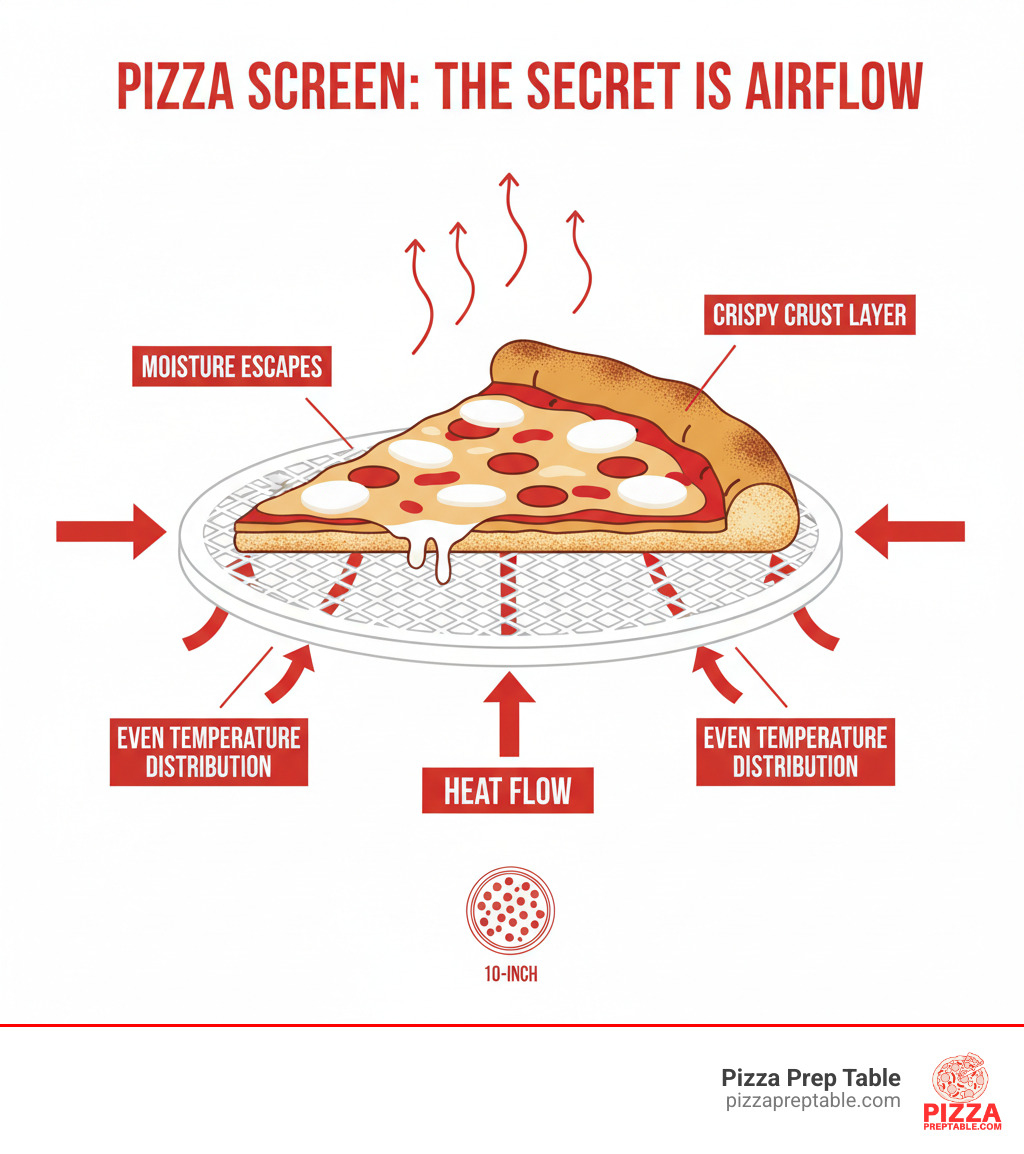
The secret is in the perforations. Those small holes allow hot air to circulate directly around your dough, letting moisture escape while delivering consistent heat to every inch of crust. The result? A golden, crispy base that's evenly cooked from edge to center. And at 10 inches, it's the perfect size for personal pizzas, appetizers, or testing new recipes without committing to a full-size pie.
The 10-inch size isn't just convenient—it's practical. It fits easily in home ovens, countertop pizza ovens, and commercial deck ovens alike. Whether you're a first-time pizzeria owner working with limited space or a home cook perfecting your technique, this size offers the ideal balance of portion control and versatility.
I'm Sean Kearney, and I've spent years helping restaurant owners and home cooks find the right equipment for their kitchens. From my time at Amazon.com to my work in foodservice sales, I've seen how the right tools—like a quality pizza screen 10 inch—can transform your pizza game and boost kitchen efficiency.
What is a 10-Inch Pizza Screen and Why Do You Need One?
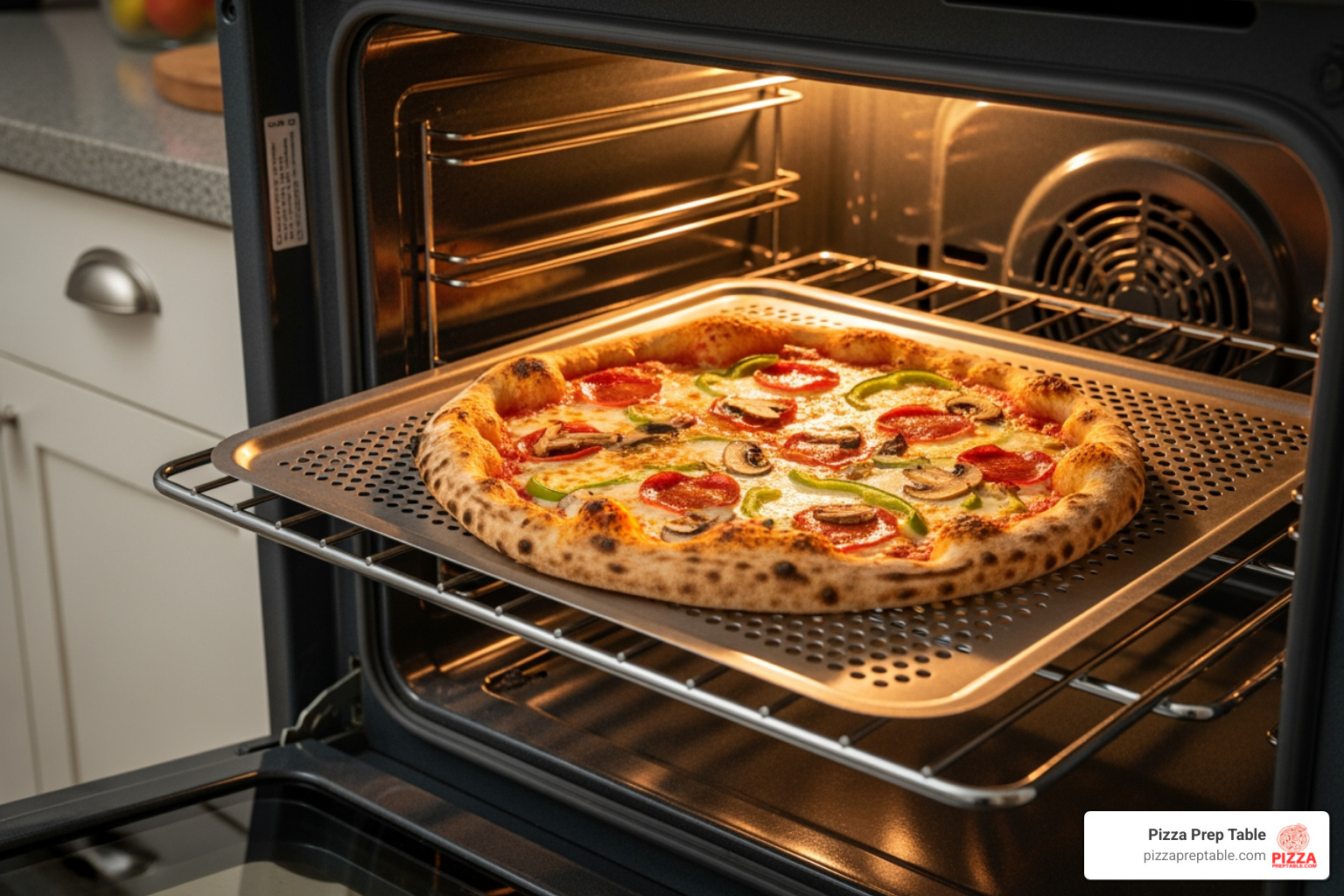
Let's talk about that moment when you bite into a pizza and the crust actually crackles. That sound—that perfect crispness—doesn't happen by accident. It happens because you used the right tool for the job.
A pizza screen 10 inch is a round, perforated metal tray that transforms how your pizza bakes. Think of it as a breathable platform that lets hot air flow directly around your dough while moisture escapes through hundreds of tiny holes. The result? A crust that's crispy, golden, and evenly cooked from edge to center.
The difference between a pizza screen and a solid pan is like the difference between drying your clothes on a line versus stuffing them in a sealed box. One works with nature, the other fights against it. When you bake on a solid pan, moisture gets trapped underneath your dough, creating steam that prevents proper browning. But with a perforated screen, that moisture has somewhere to go. Hot air circulates freely, heat transfers directly to the dough, and you get that beautiful even heat distribution that makes every bite consistent.
And here's something that'll make busy kitchens happy: pizza screens can reduce your baking time by up to 15% compared to solid pans. That's faster turnaround for commercial operations and less waiting time for hungry families at home. Whether you're running a pizzeria in Brooklyn or cooking Friday night dinner in Phoenix, those minutes add up.
The crispy crust you'll achieve with a screen isn't just about texture—it's about flavor too. When moisture escapes and heat makes direct contact with your dough, you open up the Maillard reaction, that magical chemical process that creates deep browning and complex, savory flavors. No more pale, chewy bottoms that taste more steamed than baked.
For a closer look at how different baking surfaces stack up against each other, our An Essential Guide to Comparing Pizza Pans breaks down the details.
The Magic of Perforations
Those little holes aren't just decoration—they're doing some serious work behind the scenes. Understanding why perforations matter helps you appreciate what's happening in your oven every time you bake.
When pizza dough heats up, it releases moisture. On a solid pan, that moisture has nowhere to go. It pools underneath, creating steam that keeps the crust soft and prevents proper browning. But when you use a screen, each perforation becomes an escape hatch. Moisture evaporates through the holes, allowing the bottom of your crust to dry out and crisp up properly.
At the same time, those perforations create pathways for heat transfer. Hot air doesn't just swirl around the top and sides of your pizza—it flows directly through the screen and contacts the underside of your dough. This direct heat is what triggers the Maillard reaction, the chemical change that turns simple dough into beautifully browned, flavorful crust.
Think of it this way: baking on a solid pan is like trying to toast bread by holding it near a toaster. It might eventually warm up, but it won't get that perfect golden crunch. A pizza screen puts your dough in direct contact with heat, just like dropping bread into the toaster slots. The difference in browning and texture is dramatic.
The science is simple, but the results are anything but ordinary. For more on how different materials conduct heat, Understanding cookware materials offers some fascinating insights.
Why the 10-Inch Size is Perfect
Size matters when it comes to pizza screens, and 10 inches hits a sweet spot that works for almost everyone.
First off, it's the ideal size for personal pizzas. Whether you're making dinner for one, creating individual pizzas for each family member, or serving customized pies at your restaurant, the 10-inch screen gives you perfect portion control. No more arguing over toppings or dealing with leftovers that don't reheat well. Everyone gets exactly what they want, cooked to perfection.
This size also shines when you're making appetizers for parties or small plates for your menu. A 10-inch pizza cuts nicely into six or eight slices—perfect for sharing without being too much. It's especially useful for catering events or busy lunch rushes where you need to turn out consistent, individual servings quickly.
But here's what really makes the 10-inch size practical: it fits home ovens beautifully. You don't need a commercial-grade behemoth to use these screens. They slide right into your standard home oven with room to spare. And if you're running a smaller commercial operation, they work perfectly in a Commercial Countertop Pizza Oven, making them ideal for food trucks, cafes, or pizzerias in high-rent areas like San Francisco or Boston where space comes at a premium.
The pizza screen 10 inch is versatile enough for experimenting at home and efficient enough for professional kitchens. It's the Goldilocks size—not too big, not too small, just right for most pizza-making situations.
Pizza Screen vs. Pan vs. Steel: A Baker's Showdown
If you've spent any time researching how to make better pizza at home—or how to improve efficiency in your pizzeria—you've probably come across three main contenders: pizza screens, solid pans, and pizza steels (or stones). Each has its fans, but which one actually delivers the results you're after?
Let's settle this once and for all with a head-to-head comparison.
| Feature | Pizza Screen (e.g., 10-inch) | Solid Pizza Pan | Pizza Steel / Stone |
|---|---|---|---|
| Crust Result | Crispy, evenly browned, prevents sogginess | Softer, chewier, potential for soggy bottom | Extremely crispy, charred spots, fast bake |
| Bake Time | Moderate to fast (up to 15% faster than solid pans) | Longer, as moisture must evaporate from the top | Very fast, intense heat transfer |
| Heat Transfer | Excellent (perforations allow direct airflow) | Good (conducts heat, but traps moisture) | Superior (retains and transfers intense heat) |
| Airflow | High (essential for crisping) | Low (traps air and moisture) | Indirect (radiates heat, but no direct airflow) |
| Cost | Low ($5-$30 for a 10-inch, depending on quality/brand) | Low to moderate | High (can range from $50-$200+) |
| Ease of Use | Very easy (no preheating, lightweight, easy transfer) | Easy (familiar, but can stick) | Moderate (heavy, requires long preheating, careful handling) |
| Maintenance | Hand wash recommended for longevity | Dishwasher safe (depending on material/coating) | Scrape clean, minimal washing, fragile if stone |
| Versatility | Pizza, flatbreads, reheating, roasting vegetables, cookies | Deep dish, thick crust, can be used for other baking | Pizza, bread, searing (requires high heat) |
The biggest difference between these tools comes down to airflow. A pizza screen 10 inch is built specifically to let hot air circulate freely underneath your dough. Those perforations aren't just decorative—they're functional vents that allow moisture to escape while delivering direct heat to the crust. The result is a consistently crispy, golden-brown bottom that solid pans simply can't match.
Speaking of solid pans, they're the most familiar option for many home cooks. They're reliable and easy to use, but they have one major flaw: they trap moisture. When steam can't escape, it creates a softer, sometimes soggy crust. Solid pans work beautifully for deep-dish pizzas or thick, bready crusts, but if you're chasing that crispy, restaurant-quality base, they're not your best bet.
Then there's the heavyweight champion: the pizza steel or stone. These tools are beloved by serious pizza enthusiasts for good reason. They retain massive amounts of heat and deliver it all at once when your dough hits the surface. The result? An crispy, sometimes charred crust that comes close to what you'd get from a brick oven. But there's a catch—actually, several catches. Steels and stones are expensive (often $50 to $200 or more), they're heavy and awkward to handle, and they require at least an hour of preheating. For busy commercial kitchens in cities like Houston or Los Angeles, that's a lot of time and energy.
That's where the pizza screen 10 inch shines. It's affordable, typically ranging from just $5 to $30 depending on quality and brand. It's lightweight and doesn't require any preheating. You can go from prep to oven in seconds, making it ideal for high-volume operations or home cooks who want great results without the hassle. Whether you're running a food truck or testing recipes in your apartment kitchen, a pizza screen offers professional performance without the professional price tag.
For a more detailed breakdown of how screens compare to steels, check out our guide: Pizza Screen vs Pizza Steel: Unlocking the Secrets to a Better Bake.
The Ultimate Buyer's Guide to the Pizza Screen 10 Inch
Ready to add a pizza screen 10 inch to your kitchen arsenal? Whether you're setting up your first food truck in Austin or upgrading equipment in your established Seattle pizzeria, knowing what separates a bargain screen from a worthwhile investment will save you money and headaches down the road.
Think of it this way: you wouldn't buy the cheapest oven just because it heats up, right? The same logic applies here. A quality pizza screen 10 inch isn't just a piece of perforated metal—it's a tool that can genuinely improve your pizza quality and make your kitchen run smoother. At PizzaPrepTable.com, we've seen how the right equipment transforms operations, which is why we focus on helping you make smart, long-term choices.
Let's walk through what actually matters when you're comparing options, so you can spot quality at a glance.
Material Matters: Choosing the Right Build
The material your screen is made from isn't just a technical detail—it directly affects how your pizza turns out and how long your screen lasts.
Aluminum is the gold standard for pizza screens, and there's a reason it dominates professional kitchens from Miami to Portland. Aluminum heats up quickly and distributes that heat beautifully across your crust. This superior heat conductivity means faster baking and more consistent browning, which is exactly what you want when you're cranking out pies during the dinner rush.
But not all aluminum is created equal. Commercial-grade screens typically use heavy-gauge aluminum—often 14-gauge—which resists warping even when you're using it multiple times a day at high temperatures. Thinner aluminum might save you a few dollars upfront, but it can bend out of shape after repeated use, especially in busy commercial settings.
You'll also encounter screens with non-stick coatings. These can be convenient for preventing dough from sticking and making cleanup easier, but they come with a trade-off. High heat and frequent use can cause these coatings to degrade over time, and you'll likely need to hand wash them to extend their lifespan. If easy cleanup is a priority, just know you might be replacing these screens more often.
Stainless steel screens pop up occasionally, and while stainless steel is incredibly durable and won't rust, it doesn't conduct heat as efficiently as aluminum. This can mean slightly longer baking times and less crispy results—not ideal when crispy crust is the whole point of using a screen.
For a deeper look at how aluminum performs in pizza baking, check out Unlock the Secrets of Your Aluminium Pizza Pan for the Ultimate Homemade Pie.
Key Features of a Quality pizza screen 10 inch
Beyond the base material, certain design features separate commercial-grade screens from basic models. These details might seem minor, but they make a real difference when you're using your screen day after day.
Start with the seamless rim. This isn't just about looks—a seamless rim adds structural integrity that prevents warping and bending under high heat. More importantly, it eliminates sharp or rough edges that can cut your hands when you're moving quickly through orders. If you've ever worked a Friday night rush in a busy kitchen, you know that safety features like this aren't optional—they're essential.
Material thickness ties directly back to durability. That 14-gauge aluminum we mentioned earlier? It's thick enough to maintain its shape through years of use but still light enough to handle comfortably. Thinner screens might feel flimsy or start to warp after just a few months, especially if you're running them through a commercial oven multiple times daily.
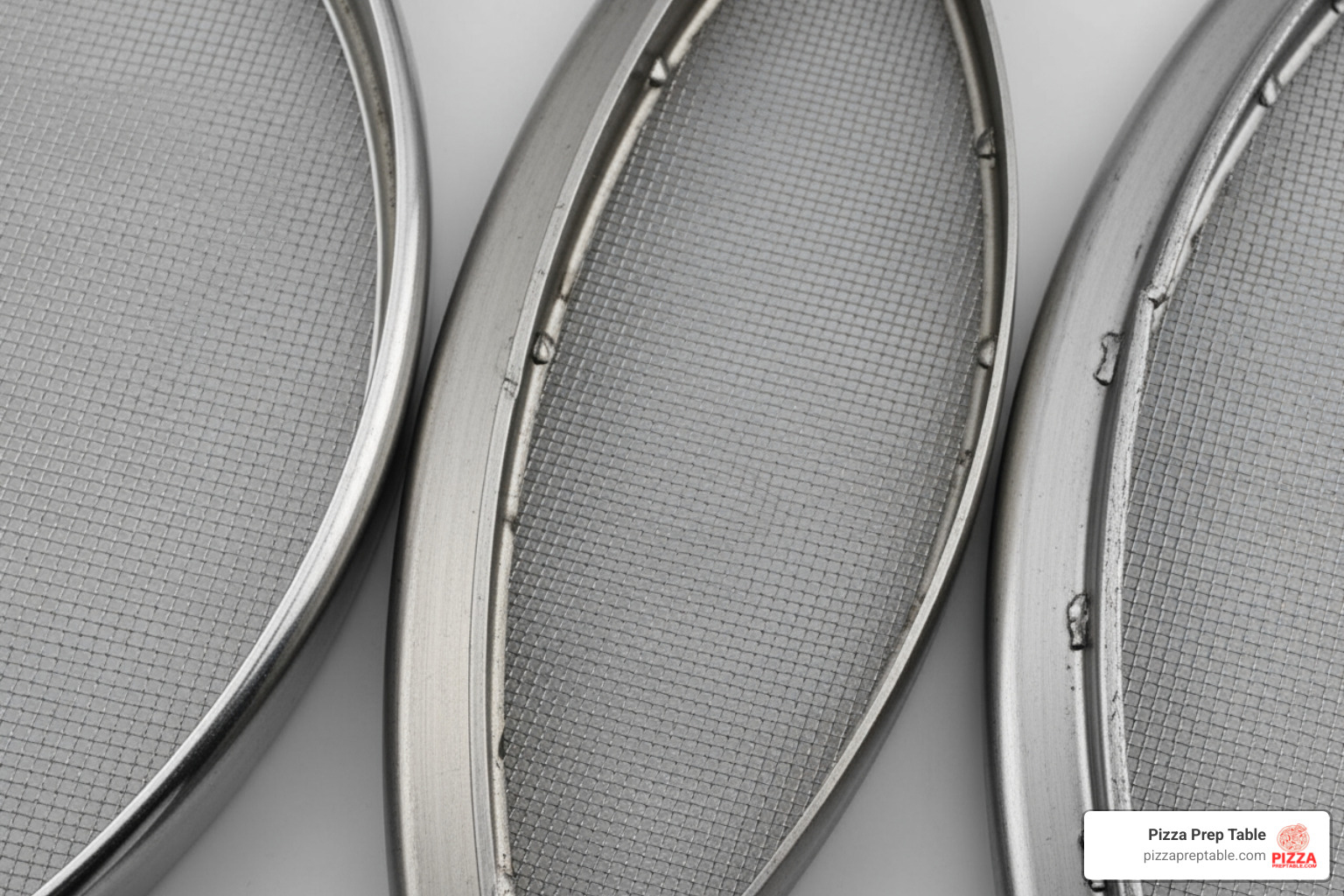
The mesh weave tightness affects how well air circulates around your dough. You want perforations that are large enough to allow excellent airflow and moisture escape, but not so large that soft dough can seep through. A uniform, well-designed mesh pattern ensures consistent results every time.
When evaluating durability, pick up the screen if you can. Does it feel sturdy in your hands? Does it flex too easily? A quality screen should feel solid without being heavy. The best screens maintain their shape and performance whether you're making your hundredth pizza or your ten-thousandth.
Finally, consider ease of cleaning. Screens with smooth surfaces and seamless rims are simply easier to maintain. Food debris has fewer places to hide, and you can wipe them down quickly between uses. When you're closing up a busy pizzeria in Philadelphia or Denver at midnight, anything that speeds up cleanup is a blessing.
At PizzaPrepTable.com, we carefully select screens that check all these boxes. We know that when you're running a kitchen—whether it's a small operation or a high-volume pizzeria—your equipment needs to work as hard as you do. A quality pizza screen 10 inch is an investment that pays dividends in better pizza, happier customers, and fewer equipment headaches. For more essential equipment guidance, explore our Must-Have Commercial Pizza Oven Supplies for Perfect Pies.
Pro Tips: How to Use and Maintain Your Pizza Screen
You've invested in a quality pizza screen 10 inch, and now it's time to make sure it serves you well for years to come. The good news? These screens are remarkably low-maintenance, but a few simple best practices will keep yours performing like new, whether you're running a busy pizzeria in Miami or perfecting your craft at home in Portland.
Think of your screen as a workhorse that just needs a little respect. Treat it right, and it'll reward you with consistently crispy crusts and surprising versatility beyond pizza night. Let's explore the essentials of care and some creative ways to put that screen to work.
How to Clean and Maintain a pizza screen 10 inch
Here's where things get straightforward. Cleaning your pizza screen 10 inch doesn't require any fancy techniques or special products—just a gentle approach and a little consistency.
The seasoning debate you might hear about with cast iron? You can mostly ignore it here. While some aluminum screens will develop a natural patina over time with regular use, you don't need to go through any elaborate seasoning ritual. Just use your screen, and it'll naturally become more non-stick as it ages.
When it's time to clean up after a pizza session, hand washing is your best friend. Fill your sink with warm water, add a drop of mild dish soap, and give the screen a gentle wash with a soft sponge or cloth. This simple routine protects the aluminum from the harsh detergents and high heat of dishwashers, which can cause discoloration and corrosion over time. Trust me—a few extra minutes at the sink will add years to your screen's life.
Skip the abrasive scrubbing pads and steel wool. Gentle scrubbing with a soft brush or sponge is all you need to remove any stuck-on bits. If you encounter stubborn residue, let the screen soak for a few minutes before wiping it clean. The perforations make cleaning easier than you'd think—food rarely gets truly stuck.
After washing, proper drying is crucial. Either air dry your screen completely on a dish rack or wipe it thoroughly with a clean towel. Water spots aren't just cosmetic—they can lead to corrosion on aluminum surfaces, especially in humid climates like those in New Orleans or Seattle.
For storage, you're in luck. Most 10-inch screens are designed to stack neatly, making them perfect for cramped kitchen spaces. Whether you're working with limited cabinet space in a Brooklyn apartment or organizing a commercial kitchen in Phoenix, stackable screens save precious real estate. Just make sure they're completely dry before stacking to prevent moisture from getting trapped between them.
Want to lift your entire pizza-making process? Check out How to Prep Pizza Like a Pro for comprehensive guidance.
Beyond the Pie: Creative Uses for Your Screen
Here's where things get fun. Your pizza screen 10 inch is like that friend who's good at everything—versatile, reliable, and always ready to help. Once you start experimenting, you'll wonder how you ever managed without it.
Reheating pizza is where your screen truly shines. We've all suffered through soggy microwave pizza, right? Instead, place those leftover slices on your screen and pop them in a preheated oven at 375°F for about 5-7 minutes. The circulating air revives the crust to its original crispy glory, and the cheese gets perfectly melty again. It's the difference between sad leftovers and a legitimate second pizza experience.
When you're baking breadsticks or garlic knots, the screen delivers that beautiful golden-brown finish on all sides. The perforations prevent the greasy bottom you sometimes get with solid pans, and everything cooks evenly. Your customers in Austin or Nashville will notice the difference.
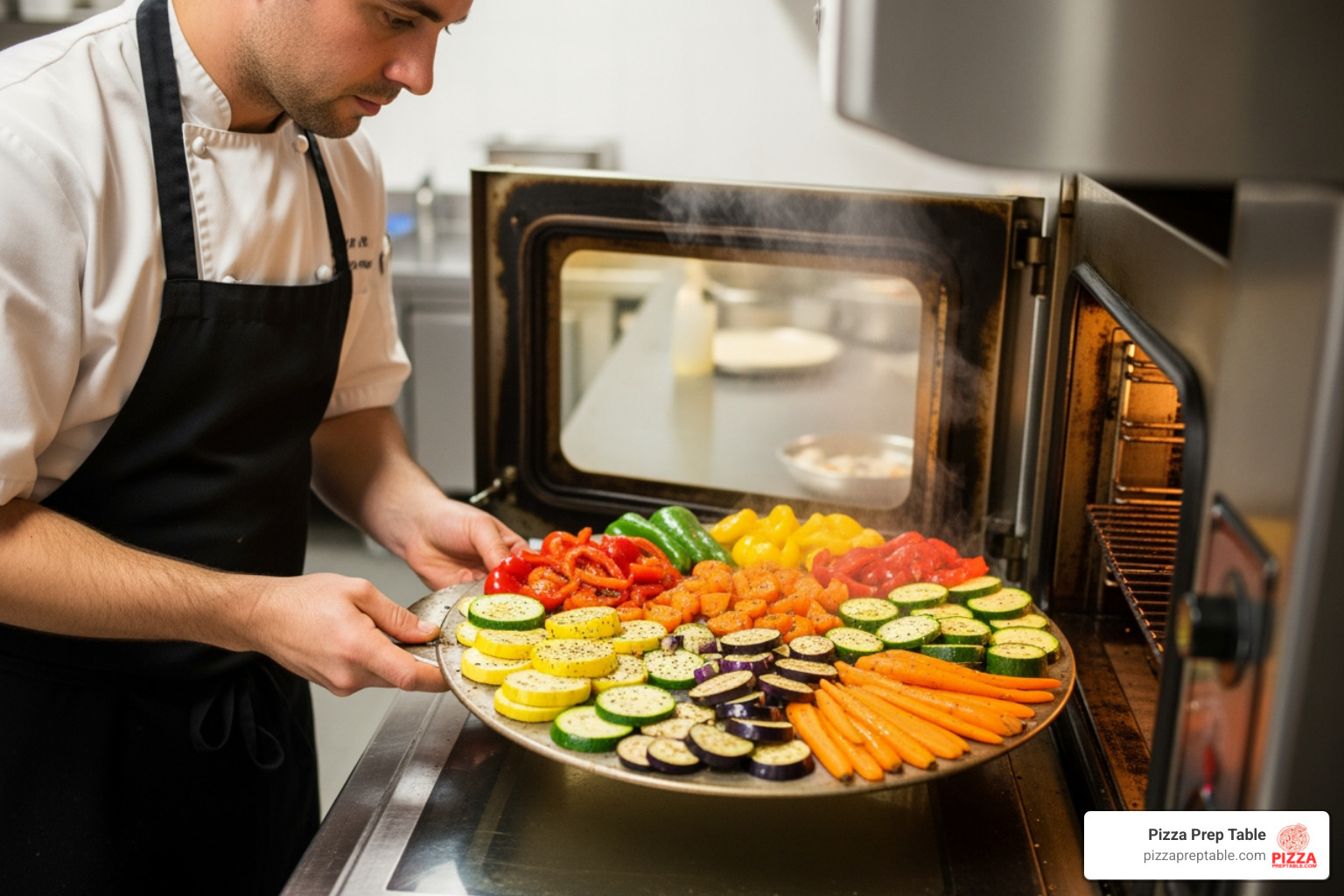
Roasting vegetables on a pizza screen is a game-changer. Spread out broccoli florets, asparagus spears, or Brussels sprouts, drizzle with olive oil and seasonings, and roast away. The air circulation prevents steaming and promotes that delicious caramelization and slight char you want. Even frozen french fries come out crispier than on a baking sheet. The vegetables get crispy edges while staying tender inside—exactly what you're after.
Need to toast flatbreads or warm tortillas for taco night? Your screen handles it beautifully, giving you an even, lightly crisped surface without the risk of burning. This works great for naan, pita, or any flatbread you're serving alongside soups or dips.
Here's one you might not expect: dehydrating fruit. If your oven goes low enough (around 170°F), you can arrange thin apple or pear slices on your screen for homemade fruit chips. The perforations allow air to circulate completely around each piece, creating evenly dried snacks without any special equipment.
The versatility of a quality pizza screen 10 inch means you're getting far more value than just a pizza tool. It's a multi-purpose kitchen asset that earns its place in your cabinet or on your commercial kitchen rack. For more essential equipment insights, explore Must-Have Commercial Pizza Oven Supplies for Perfect Pies.
Conclusion: Your Next Step to Pizza Perfection
We've journeyed together through pizza screens, and if there's one thing I hope you take away, it's this: a pizza screen 10 inch is more than just another piece of kitchen equipment. It's your ticket to consistently crispy, perfectly browned crusts that'll make you wonder how you ever baked without one.
Think back to where we started—those frustrating soggy centers, the uneven baking, the disappointment of a pizza that looked great on top but fell flat on the bottom. The beauty of the pizza screen 10 inch is that it solves all of these problems through one simple principle: airflow. Those perforations aren't just holes; they're the secret to moisture escape and even heat distribution that transforms your pizza from good to genuinely great.
Whether you're setting up your first food truck in Miami, running an established pizzeria in Phoenix, or simply trying to nail homemade pizza night in your Seattle kitchen, this tool delivers. It's affordable (typically just $5-$30), easy to use, and incredibly versatile. You get faster baking times, perfect personal-sized portions, and a tool that works beautifully in both home ovens and commercial settings.
And let's not forget the bonus: your pizza screen 10 inch isn't a one-trick pony. From reheating leftover slices to roasting vegetables, baking breadsticks to toasting flatbreads, it's a workhorse that earns its place in your kitchen over and over again.
The path to pizza perfection isn't complicated or expensive—it just requires the right tools and a willingness to try something that actually works. If you're ready to say goodbye to soggy crusts and hello to that satisfying crackle with every bite, it's time to add a quality pizza screen to your kitchen.
At PizzaPrepTable.com, we're here to support your pizza journey with commercial-grade equipment that's built to last. From screens to prep tables, ovens to essential supplies, we've got everything you need to create pizzas that'll have people coming back for more. For a complete overview of what your kitchen needs, explore our guide to Must-Have Commercial Pizza Oven Supplies for Perfect Pies.
Your crispy, golden, perfectly cooked pizza is waiting. Let's make it happen.