

The Savvy Buyer's Handbook: Navigating the World of Used Undercounter Refrigeration
Why Smart Kitchen Owners Choose Pre-Owned Refrigeration
A second hand commercial undercounter fridge can save you 40-70% compared to buying new while delivering reliable performance. For pizzerias and restaurants on a budget, this is a smart way to acquire essential equipment.
Top Sources for Used Undercounter Fridges:
- Restaurant Equipment Dealers: Offer refurbished units with warranties (30-90 days typical).
- Online Marketplaces: eBay, Facebook Marketplace, and Craigslist offer direct-from-seller deals.
- Restaurant Auctions: Provide the best prices but are often sold "as-is" with no guarantees.
- Specialty Used Equipment Websites: Focus on certified and tested commercial kitchen gear.
What to Expect:
- Price Range: $650-$4,295 depending on size, brand, and condition.
- Popular Brands: True, Turbo Air, Delfield, Hoshizaki, Kelvinator.
- Types Available: Standard fridges, freezers, worktop units, and chef bases.
The used commercial refrigeration market has grown as business owners recognize that quality equipment doesn't have to be brand-new. Many refurbished units are tested by certified technicians and include warranties for peace of mind. The key is knowing what to look for, where to buy, and how to avoid common pitfalls.
I'm Sean Kearney, and my experience in restaurant equipment sales has taught me how to find value. I've helped countless pizzeria owners steer the second hand commercial undercounter fridge market to find reliable units that fit their budget and space. This guide will cover the benefits of buying used, critical inspection points, reliable sellers, and long-term maintenance.
Why Go Second-Hand? The Surprising Perks of Used Undercounter Fridges
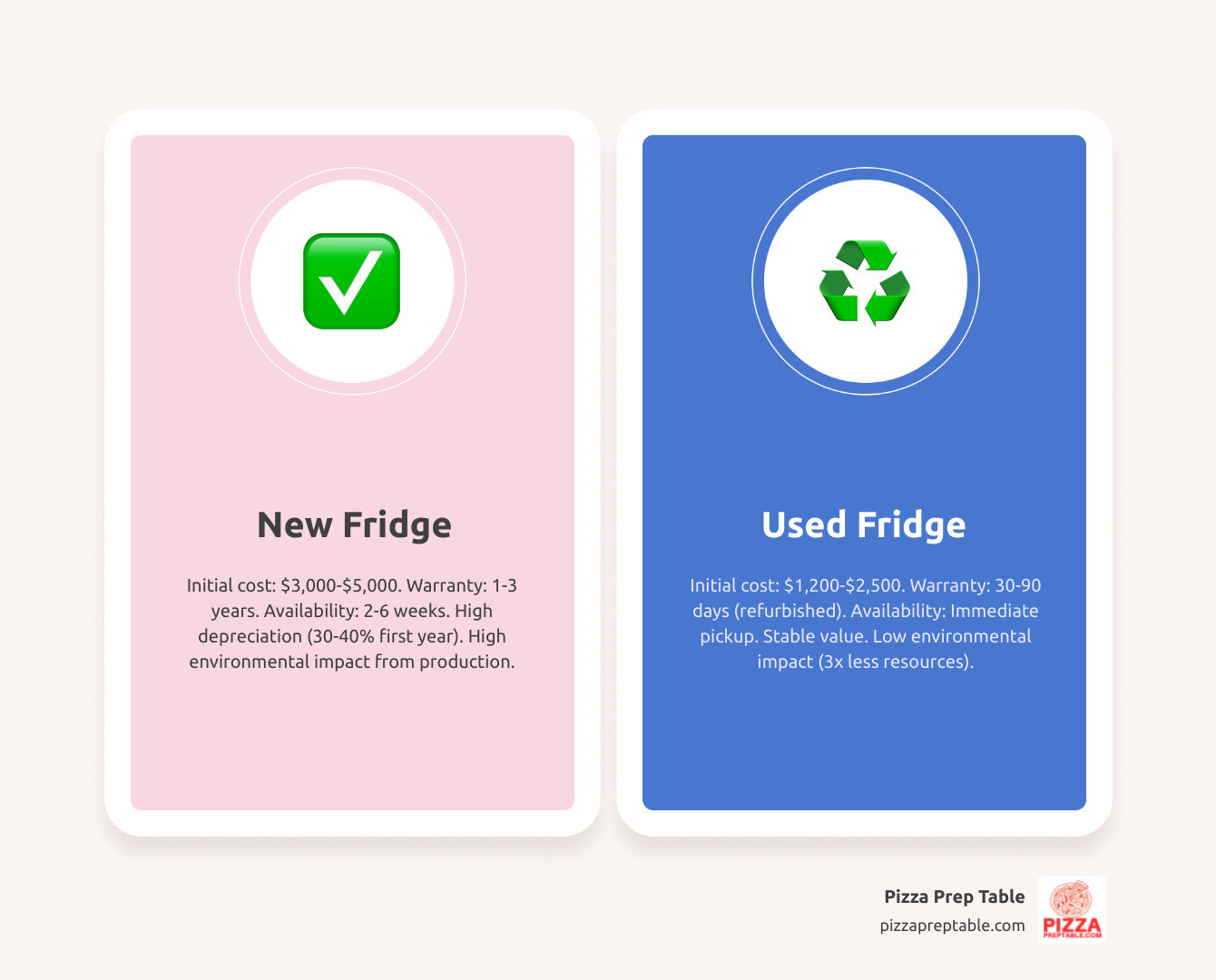
Choosing a second hand commercial undercounter fridge is a smart business move that offers more than just initial savings. Key benefits include significant cost reduction, sustainability, immediate availability, and access to premium brands that might otherwise be out of reach. A used unit has proven its reliability in a real-world kitchen environment, offering peace of mind that new equipment can't. "Used" doesn't mean "worn out"—it means tested, proven, and ready to work without the sticker shock.
The Financial Advantage
A second hand commercial undercounter fridge typically costs 40-70% less than a new one. This major savings can free up capital for other essential areas of your business, like ingredients or marketing. The lower initial investment also means a better return on investment (ROI), as used units have already undergone their most significant depreciation. For the price of one new fridge, you might be able to purchase two used ones, effectively doubling your cold storage. This strategy allows you to stretch your budget without sacrificing the quality and performance of trusted brands. For more money-saving tips, see our guide on Used but not abused: Finding quality pizza prep tables on a budget.
The Eco-Friendly Choice
Buying used equipment is an environmentally responsible choice. When you purchase a second hand commercial undercounter fridge, you prevent a large appliance from ending up in a landfill. This act of reducing landfill waste is a core principle of the circular economy. Furthermore, you lower your carbon footprint by reducing the demand for new manufacturing, which consumes significant energy and raw materials. This commitment to resource conservation is not only good for the planet but also resonates with a growing number of eco-conscious customers.
Your Pre-Purchase Checklist: 5 Factors to Inspect Before You Buy
Before you commit to a second hand commercial undercounter fridge, a thorough inspection is crucial to separate the gems from the lemons. A little diligence now can save you significant repair costs later. The following sections detail the key factors to examine to ensure you get a unit that will serve your business well for years.
Use this checklist as your guide:
- Types, Sizes, and Capacity: Does it fit your space and workflow?
- Condition & Key Inspection Points: Is the compressor healthy and are the seals intact?
- Brand Reputation and Model History: Is it a reliable brand with available parts?
- Energy Efficiency: Will it be affordable to run long-term?
- Key Features: Does it have the doors, drawers, and mobility you need?
1. Types, Sizes, and Capacity
Before browsing for a second hand commercial undercounter fridge, first determine the right type and size for your kitchen's workflow. Choosing correctly is key to maximizing efficiency.
There are four main types to consider:
- Undercounter Refrigerators: Ideal for keeping ingredients and prepared foods chilled between 33°F and 40°F for quick access on a prep line or behind a bar.
- Undercounter Freezers: Designed for long-term storage, maintaining temperatures from -10°F to 0°F for items like dough or frozen meats. For help choosing the right size, see our guide on Under Counter Freezer Capacity.
- Worktop Units: These multi-taskers combine refrigerated storage below with a durable countertop, providing both cold storage and a prep surface in one footprint.
- Chef Bases: These are sturdy, refrigerated drawers designed to hold heavy cooking equipment like griddles on top, keeping ingredients accessible on the hot line.
After identifying the type, measure your available space carefully. Our guide to under the counter refrigerator dimensions can help ensure a perfect fit.
This table provides a quick comparison:
| Type | Primary Function | Typical Use-Case | Temperature Range |
|---|---|---|---|
| Undercounter Refrigerator | Chilling/Short-term Storage | Bars, prep lines, ingredient storage | 33°F to 40°F (0.5°C to 4°C) |
| Undercounter Freezer | Freezing/Long-term Storage | Frozen ingredients, ice cream, pre-made items | -10°F to 0°F (-23°C to -18°C) |
| Worktop Unit | Storage & Prep Surface | Sandwich/salad stations, general kitchen prep | 33°F to 40°F (0.5°C to 4°C) |
| Chef Base | Storage & Equipment Stand | Underneath griddles/charbroilers, ingredient access | 33°F to 40°F (0.5°C to 4°C) |
2. Condition & Key Inspection Points
A thorough physical inspection of a second hand commercial undercounter fridge is essential to avoid buying someone else's problem. Always test the unit live if possible and check the following points:
- Compressor Health: The compressor is the heart of the unit. It should hum smoothly and cycle on and off. Rattling, grinding, or constant running are red flags that indicate it's struggling to maintain temperature, leading to high energy bills and a shorter lifespan.
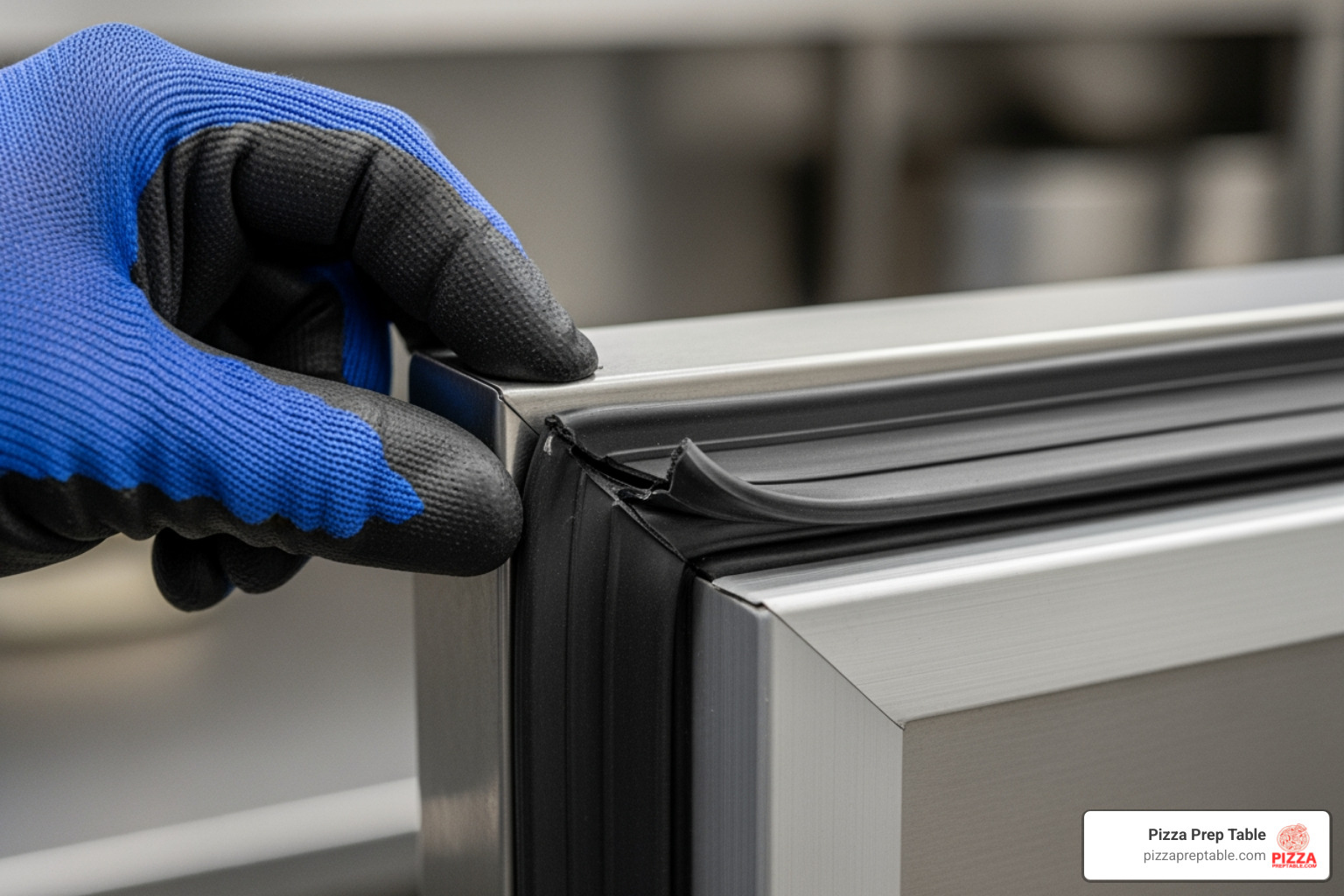
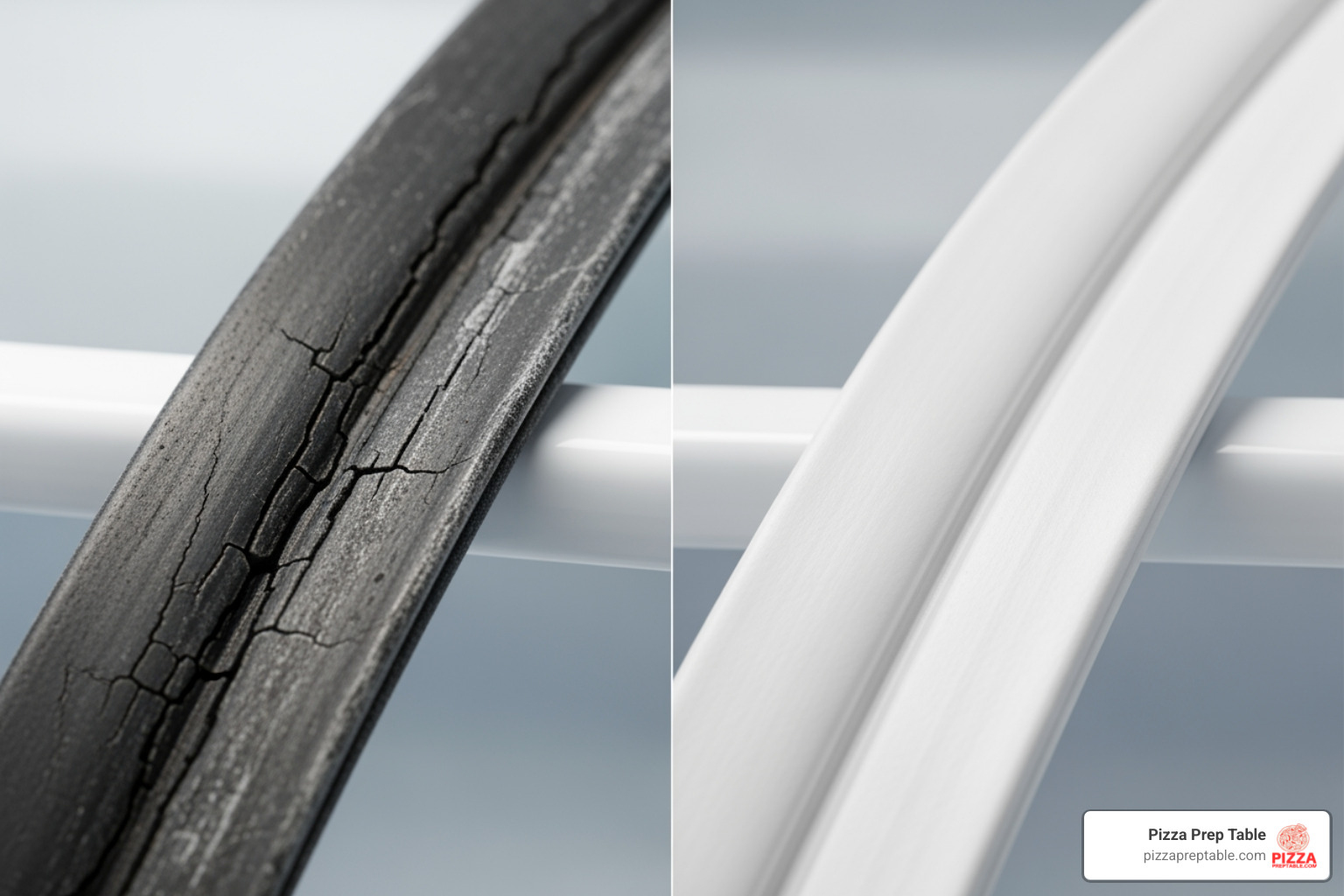
- Door Seals and Gaskets: These are critical for efficiency. Inspect the rubber seals for cracks, tears, or hardening. Perform the "dollar bill test": close the door on a bill and try to pull it out. If it slides out easily, the seal is weak and needs replacement.
- Thermostat Accuracy: Bring a reliable thermometer to verify the unit's temperature. Place it inside for 15-20 minutes and compare its reading to the fridge's thermostat. A significant discrepancy could mean the thermostat needs calibration or replacement.
- Dents and Rust: Minor cosmetic dents can be a negotiating point. However, deep rust, especially on structural parts or near the evaporator coil, indicates long-term moisture damage and should be avoided.
- Shelving Condition: Ensure all shelves are present, sturdy, and free of rust or bending. Replacement shelves can be expensive and hard to find for older models.
- Condenser Coils: Check the coils (usually at the back or bottom) for heavy buildup of dust and grease. Neglected coils suggest poor maintenance and can strain the compressor, reducing efficiency and longevity.
3. Brand Reputation and Model History
When shopping for a second hand commercial undercounter fridge, brand reputation is a strong indicator of durability and reliability. Well-respected manufacturers build equipment designed to withstand demanding kitchen environments.
- Top Brands: Look for names like True, Turbo Air, Delfield, Hoshizaki, and Kelvinator. These brands often have a higher resale value due to their proven longevity.
- Model Research: Once you find a potential unit, search its model number online for common issues, complaints, or recalls. This research can reveal potential problems that other owners have experienced.
- Parts Availability: A key advantage of established brands is better parts availability. A great deal on an obscure brand can become a liability if a critical component fails and replacements are impossible to find. Stick with brands known for a reliable parts supply chain.
4. Energy Efficiency: Old vs. New
A low upfront price on a second hand commercial undercounter fridge can be misleading if the unit has high long-term energy costs. Older models are often less efficient than newer ones, so it's important to consider the potential impact on your utility bills.
- Energy Star Ratings: Look for an Energy Star label, which indicates the unit meets specific efficiency standards. While less common on older equipment, it's a clear sign of lower running costs.
- Refrigerant Type: Older units often use R-134a refrigerant, while newer models may use more efficient and environmentally friendly alternatives. The refrigerant type can affect future servicing costs.
- Potential Electricity Costs: Factor the potential monthly electricity cost into your total investment. A cheap unit that is an energy hog can end up costing more than a slightly more expensive, efficient model over time.
- Insulation Quality: Good insulation is key to efficiency. Check for condensation on the unit's exterior, as this can be a sign of poor insulation, which forces the compressor to work harder.
For more on balancing efficiency and performance, see our Ultimate Commercial Fridge-Freezer Combo Guide.
5. Key Features for a Second Hand Commercial Undercounter Fridge
The right features on a second hand commercial undercounter fridge can significantly improve your kitchen's efficiency. Consider how these options fit your operational needs:
- Solid vs. Glass Doors: Solid doors offer superior insulation and are ideal for back-of-house storage. Glass doors provide visibility, which is useful for front-of-house displays or busy prep stations. Learn more about undercounter refrigerators with glass doors.
- Drawers vs. Hinged Doors: Drawers provide excellent organization and easy access to ingredients, reducing bending and searching. They are especially useful in high-volume prep areas. Explore options in our guide to undercounter freezer drawers.
- Casters vs. Legs: Casters (wheels) offer mobility, making it easy to clean behind and under the unit. Legs provide fixed stability but make cleaning more difficult.
- Modern Conveniences: Look for features like digital thermostats for precise temperature control and self-closing doors to prevent energy loss and protect food safety.
Always test these features thoroughly during your inspection. Ensure doors close properly, drawers slide smoothly, and casters roll and lock as they should.
Where to Find a Reliable Second Hand Commercial Undercounter Fridge
Finding a trustworthy source is crucial when buying a second hand commercial undercounter fridge. There are several avenues to explore, each with its own pros and cons.
Restaurant Equipment Dealers & Refurbishers
Reputable dealers are often the safest choice, especially for first-time buyers. They employ certified technicians to inspect, repair, and test units before sale. This process includes thorough cleaning and running the equipment to ensure it functions correctly. The biggest advantage is the potential for a 30- to 90-day warranty, which provides a safety net you won't get from a private seller. Look for established local dealers with on-staff technicians.
Online Marketplaces
Online marketplaces offer a vast selection, but require careful vetting.
- eBay: Provides access to sellers nationwide and offers buyer protection policies. Scrutinize seller ratings and read descriptions carefully before purchasing. You can sign in or register to browse listings.
- Facebook Marketplace: Excellent for finding local deals, allowing you to inspect the unit in person before buying. Arrange to meet in a safe location and bring your inspection tools. You can find units in cities like Las Vegas and Philadelphia.
- Craigslist: A classic source for local, "as-is" equipment. The deals can be great, but there is no recourse if the unit fails. Your inspection skills are paramount. You can find listings in markets like New York, Los Angeles, Boston, and San Diego.
Local Auctions
Restaurant closing auctions and business liquidations can offer the best prices, but also carry the most risk. Equipment is sold "as-is" with no warranties and limited time for inspection. This is an opportunity for incredible bargains, but only if you are confident in your ability to assess equipment quality quickly.
Price, Protection, and Longevity: What to Expect After Purchase
Once you've found the right second hand commercial undercounter fridge, it's time to consider the price, warranty, and long-term care.
Typical Price Range
The price for a used unit can range from $650 to $4,295. This variation depends on several factors:
- Condition: A pristine unit will cost more than one with cosmetic wear.
- Brand: Reputable brands like True or Hoshizaki hold their value better.
- Size and Features: Larger units or those with drawers or glass doors are priced higher.
- Seller: A professional refurbisher with a warranty will charge more than a private "as-is" seller.
Regardless of the price, you can typically expect to save 40-70% compared to buying new. A new fridge costing $3,000-$5,000 might be found used for $1,200-$2,500.
Warranties and Guarantees
The seller type determines your level of protection. Reputable dealers often provide a 30- to 90-day warranty covering major components like the compressor. This is a crucial safety net for catching issues post-purchase. In contrast, private sales from marketplaces or auctions are almost always "as-is," meaning you have no recourse if the unit fails. This is why a thorough pre-purchase inspection is non-negotiable. Always ask what a warranty covers and get the terms in writing.
Essential Maintenance for Longevity
Proper maintenance is key to extending the life of your used fridge.
- Clean Condenser Coils Monthly: Dirty coils (at the back or bottom) make the compressor work harder, increasing energy use and wear. Use a brush and vacuum to remove dust and grease.
- Inspect Door Gaskets Weekly: Check for cracks or tears and wipe them clean. A bad seal wastes energy.
- Monitor Temperature Daily: Use an independent thermometer to ensure the unit holds the correct temperature, which is vital for food safety.
- Schedule Professional Servicing Annually: A technician can check refrigerant levels and electrical components, preventing major breakdowns.
For more maintenance tips, see our guide on Undercounter Freezers: Features That Make Life Cooler.
Frequently Asked Questions about Used Commercial Refrigeration
Here are answers to common questions about buying a second hand commercial undercounter fridge.
How long does a used commercial undercounter fridge last?
A well-maintained unit from a quality brand can last 5-10 years or more. Lifespan depends on its previous usage, the brand's reputation for durability (like True or Hoshizaki), and most importantly, the regular maintenance you provide. Consistent cleaning and servicing can add years to its operational life.
Is it better to buy a refurbished or a standard used fridge?
Refurbished units from a reputable dealer are the safer choice. They cost more upfront but have been inspected, repaired, and tested by a technician. They also often come with a 30-90 day warranty. A standard "as-is" unit from a private seller is riskier, as there is no warranty or guarantee. For most business owners, the peace of mind a refurbished unit provides is worth the extra cost.
Can I get financing for used equipment?
Yes, financing is often available for used commercial equipment. Some suppliers and third-party lenders offer programs that allow you to purchase a second hand commercial undercounter fridge with manageable monthly payments. This helps preserve your cash flow for other business needs like payroll and inventory. Learn more about restaurant financing to see if it's the right option for you.
Conclusion: Make a Cool and Calculated Investment
Choosing a second hand commercial undercounter fridge is a smart, calculated investment for any savvy business owner. It's a decision that benefits your budget, kitchen efficiency, and the environment.
By following this guide—prioritizing a thorough inspection, choosing a reliable seller, and committing to long-term maintenance—you can confidently purchase a high-quality appliance at a fraction of the cost of a new one. You will save money, support sustainability, and equip your kitchen for success.
Ready to find the perfect fit for your space? Explore our curated selection of new and used undercounter refrigerators at PizzaPrepTable.com today. Your ideal fridge is waiting!