

5 Ways a Lab Planetary Mixer Elevates Your Laboratory Work
Why Lab Planetary Mixers Are Essential for Modern R&D
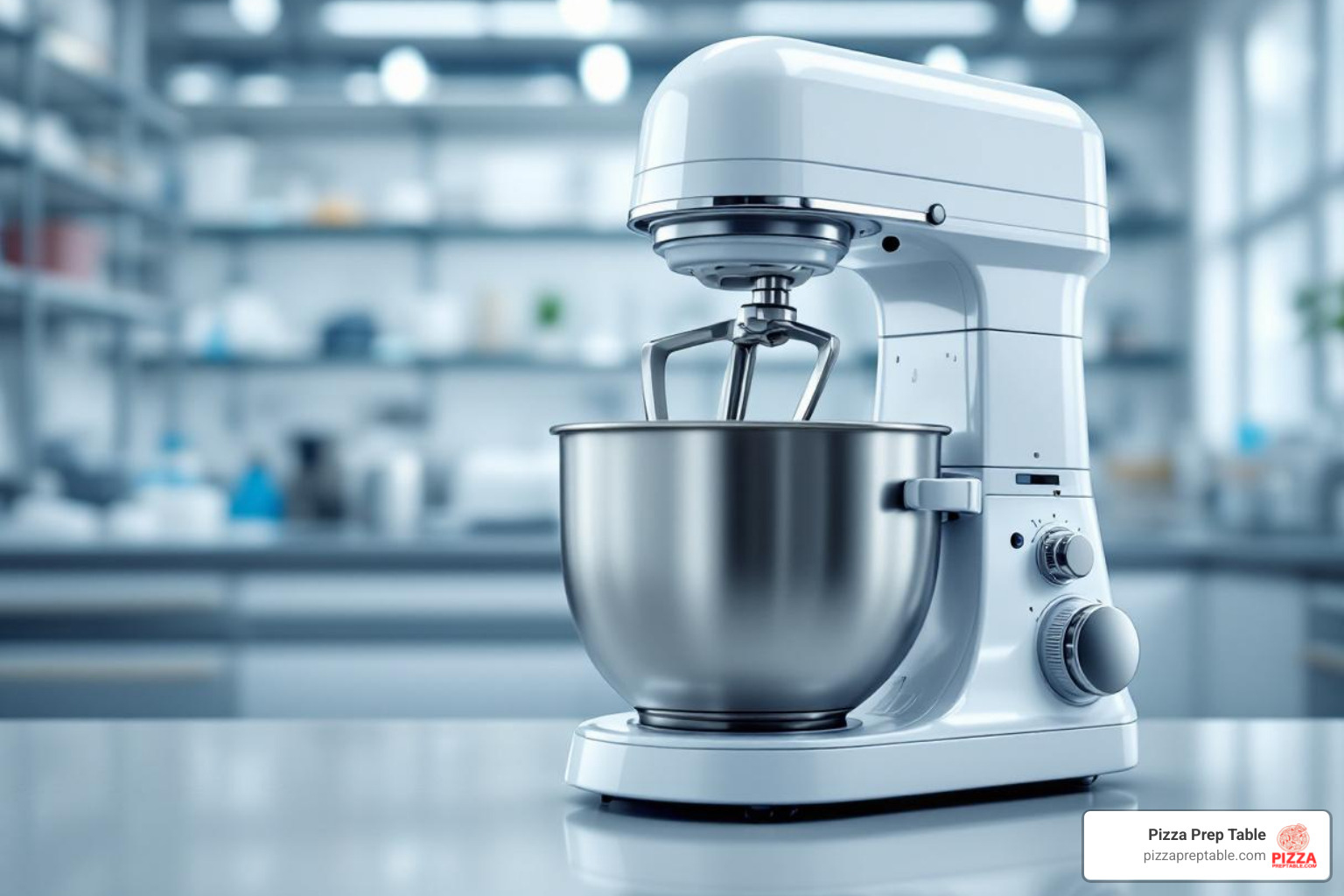
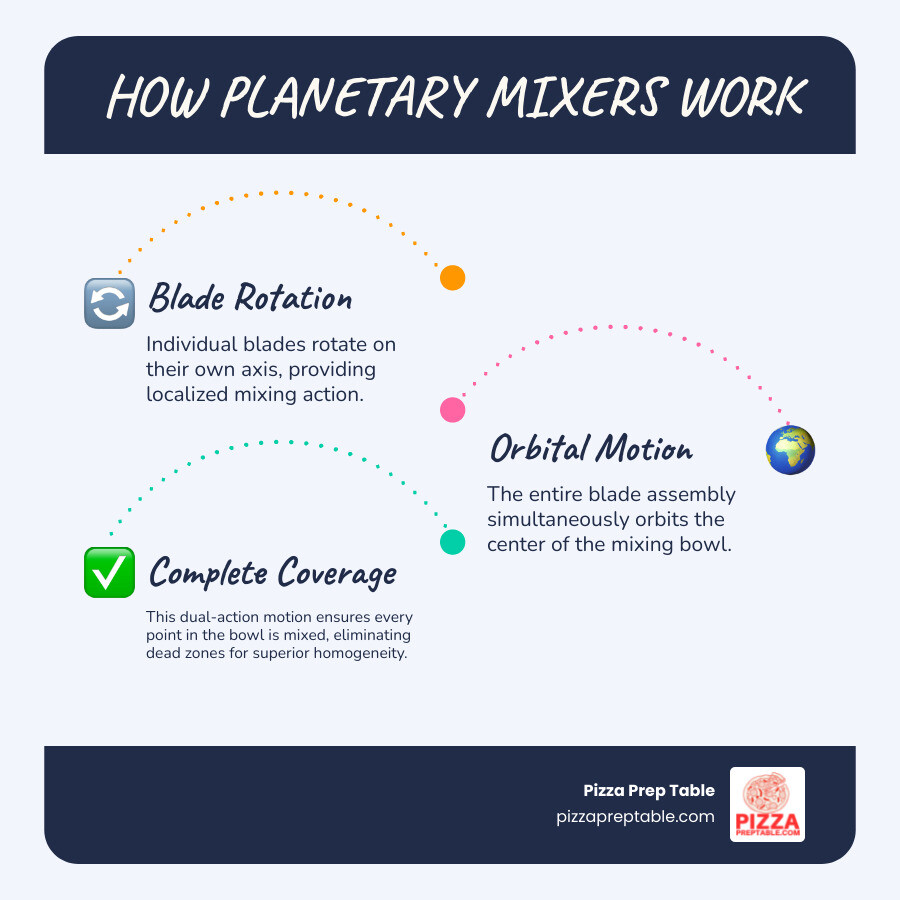
A lab planetary mixer is a specialized mixing device where one or more blades rotate on their own axes while simultaneously orbiting around the center of the mixing vessel. This dual-action motion ensures complete, uniform mixing of high-viscosity materials, making it essential for research and development in pharmaceuticals, food science, cosmetics, battery manufacturing, and advanced materials.
Key capabilities of lab planetary mixers:
- Handle extreme viscosities - from water-like to 8 million cP
- Process small batches - as little as a quarter-pint to conserve expensive raw materials
- Eliminate dead zones - planetary motion reaches every point in the bowl
- Enable vacuum processing - for deaeration and low-temperature drying
- Scale seamlessly - direct transition from lab formulas to production
The challenge of achieving perfect consistency in R&D is a critical step toward groundbreaking product development. Whether in a pharmaceutical lab or a food innovation kitchen, the right equipment is paramount. Traditional mixers often leave unmixed zones and struggle with thick pastes or shear-sensitive materials. Lab planetary mixers solve these problems through their unique orbital mixing action, making them the gold standard for formulation work across multiple industries.
These mixers represent a significant advancement over conventional laboratory equipment like magnetic stirrers or single-blade mixers. They can process everything from delicate gels to dough-like materials, and many models include vacuum capabilities for creating bubble-free products or changing wet slurries into free-flowing powders. With models ranging from compact 0.5-liter units to 20-liter pilot-scale machines, they bridge the gap between bench-top experimentation and commercial production. For readers new to this technology, the overview at Planetary mixer (Wikipedia) offers a helpful general primer on how planetary mixing compares with more traditional mixer designs.
I'm Sean Kearney, and my background in understanding customer needs and providing custom equipment solutions has shown me how crucial the right lab planetary mixer can be for R&D success and eventual commercial scaling. Throughout my work with foodservice and commercial kitchen equipment, I've seen how proper mixing technology accelerates product development timelines.
Quick look at lab planetary mixer:
1. Achieve Best Precision for Complex Formulations
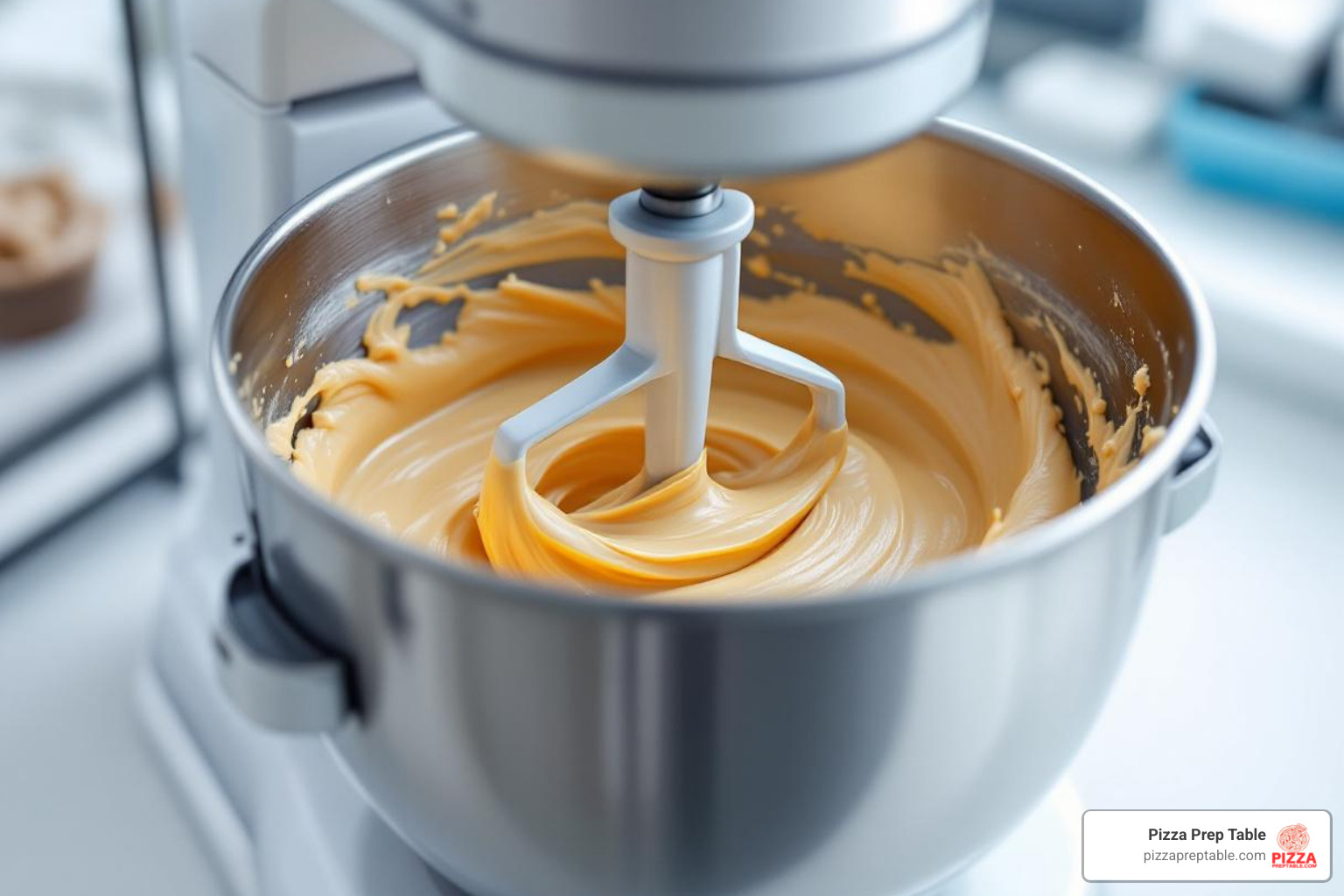
The core strength of a lab planetary mixer lies in its unique mixing action. Unlike conventional mixers where a single agitator rotates in place, a planetary mixer employs a sophisticated "dual-action" mixing mechanism. Here, one or more blades rotate on their own axes while simultaneously orbiting the center of the mixing vessel, much like planets orbiting a sun. This ensures that the entire batch is constantly in motion, eliminating dead spots and guaranteeing a completely homogenous product. This thorough and uniform mixing is crucial for achieving the best precision in your formulations.
This continuous movement means that the blades sweep every inch of the mixing bowl's walls and bottom, constantly folding and re-folding the material. This intense kneading action is particularly effective for high-viscosity materials that challenge other mixing technologies. We're talking about substances like thick pastes, dough-like materials, and shear-sensitive gels, where consistent blending is paramount. The result is a perfectly uniform mixture, every time. For instance, in food science, achieving the perfect consistency for a rich pizza sauce or a delicate batter is non-negotiable. This unique motion is what makes the lab planetary mixer a standout for complex formulations.
The ability of a lab planetary mixer to handle such a wide range of material viscosities, from water-like to around 2 million cP, and even up to 8 million cP with specialized High Viscosity (HV) blades, is a game-changer for R&D. It ensures that even the most challenging materials are thoroughly mixed without degradation or inconsistencies. This precision directly contributes to the quality and performance of your final product, making your research efforts more reliable and reproducible. For a deeper dive into how this motion works, you can explore resources like The Ultimate Guide to Comparing Planetary Mixers.
2. Streamline Product Development from Lab to Production
A key advantage in R&D is the ability to work with small, controlled batches. Lab planetary mixers excel here, with models capable of handling as little as a quarter-pint (approximately 100-150 mL). This remarkable capability is a lifesaver for conserving expensive raw materials, allowing our teams to perform formulation work with minimal waste. Imagine developing a cutting-edge pharmaceutical or a gourmet food product; every gram of ingredient counts! This feature allows for rapid iteration and testing without the prohibitive cost of larger batch sizes.
But the benefits extend beyond material conservation. The design and mixing principles of lab planetary mixers are inherently scalable. This means that once you perfect a formula in a small laboratory unit, the transition to a pilot plant or full-scale production mixer is remarkably seamless. This direct scalability is a significant advantage over other bench-top mixers, which may not translate effectively to larger volumes. A laboratory double planetary mixer allows for a more seamless scale-up transition, ensuring that the consistency and quality you achieve in the lab can be replicated in larger batches.
This streamlined product development process helps us bring innovations to market faster. From initial concept validation to pilot production runs, the lab planetary mixer supports every step. It's about taking that brilliant idea from a small beaker to a commercial product efficiently and reliably. For businesses looking to grow, this seamless transition is invaluable, as highlighted in discussions around scaling operations, like those found in From Small Batches to Big Business: The Best Dough Mixing Machines for Commercial Use.
3. Master a Universe of Applications with Unrivaled Versatility
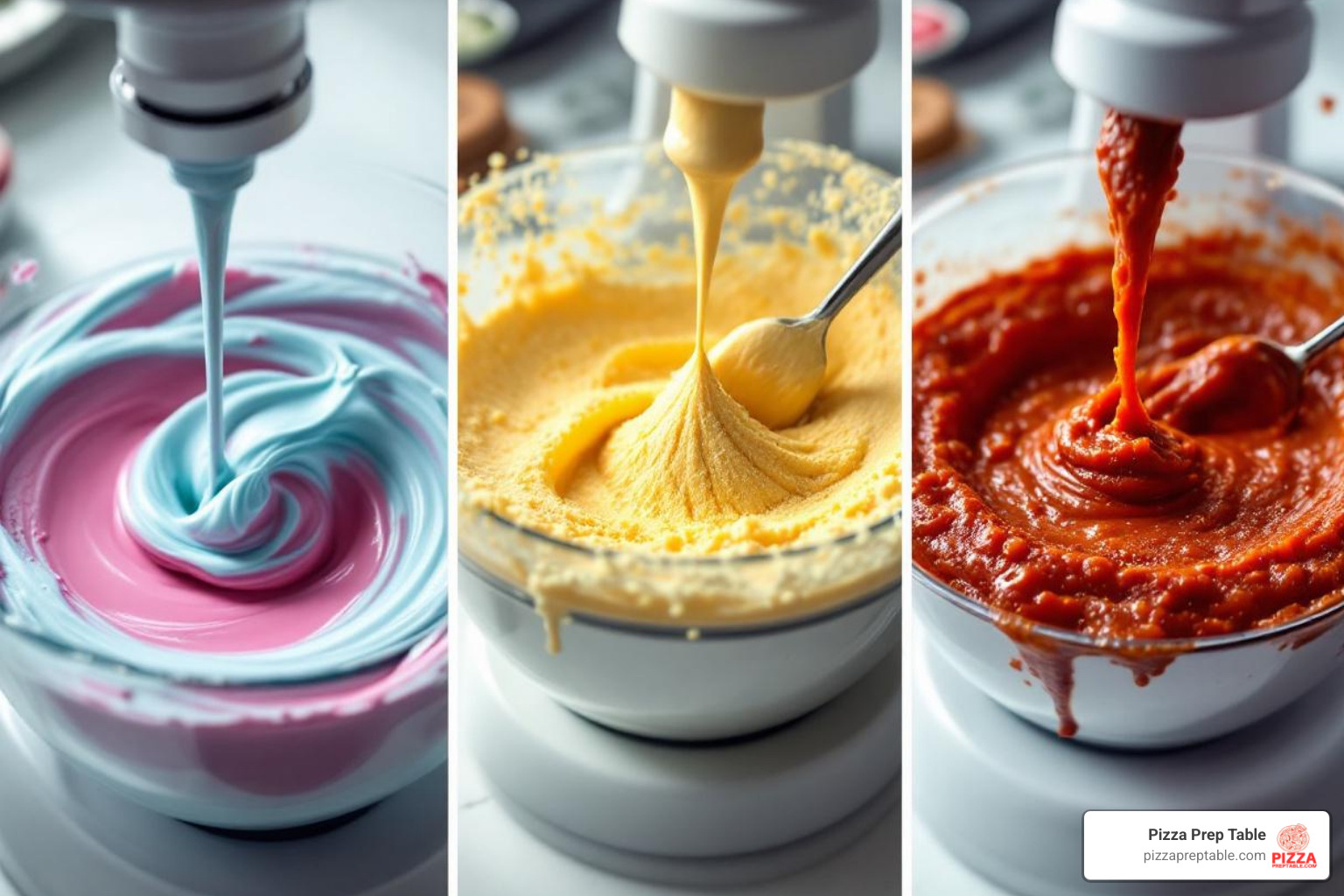
While invaluable in food R&D for creating everything from thick sauces to perfect doughs, the applications of a lab planetary mixer span numerous industries. These mixers are essential for producing a vast array of materials, demonstrating their unrivaled versatility. They are critical in pharmaceutical labs for ointments and gels, in cosmetics for creating luxurious creams and lotions, and in electronics for conductive pastes and sealants. We also see them in the development of advanced materials, such as UHPC concrete, various refractory materials, and even specialized glass materials.
For instance, in the rapidly evolving battery industry, planetary mixers are a cornerstone for preparing anode and cathode slurries for lithium-ion, sodium-ion, and solid-state batteries. They ensure the uniform dispersion of active materials, which is crucial for battery performance. This broad utility makes the lab planetary mixer a cornerstone piece of equipment in any multi-disciplinary lab, capable of handling everything from abrasive compounds to fiber-filled mixtures and even fragile components. For a broader view of high-viscosity mixing applications, it's helpful to research various technologies like planetary, centrifugal, and multi-shaft mixers.
The Power of Specialized Blade Designs
The mixer's performance can be customized to the material by using different blade designs. This adaptability is key to mastering such a diverse range of applications. High Viscosity (HV) blades, for example, provide immense kneading force, making them perfect for processing dough-like materials, putties, and highly viscous polymers. Rectangular blades offer a good balance of shear and flow for a broader range of viscosities, while finger blades are often used for more delicate or shear-sensitive materials, ensuring thorough mixing without damaging the product.
This ability to swap out blade designs allows for true process optimization. Whether you need to break down agglomerates, incorporate powders, or gently blend shear-sensitive gels, there's a blade configuration for the job. This thoughtful design ensures that the lab planetary mixer can adapt to the unique rheology and processing requirements of virtually any material.
Why Vacuum Capability is a Game-Changer
Many models of lab planetary mixers come equipped with vacuum capabilities, which is truly a game-changer for many applications. This feature is critical for deaerating products, creating a void-free, smooth consistency. Imagine trying to make a perfectly smooth adhesive or a high-end cosmetic cream without air bubbles – it's nearly impossible without vacuum. The vacuum system can maintain a vacuum degree of ≤-0.95Mpa, ensuring thorough deaeration without oil leakage.
Beyond deaeration, vacuum capabilities also enable low-temperature vacuum drying. This means you can transform wet cakes or slurries into free-flowing powders far faster than a conventional oven. This significantly reduces drying times and allows for the processing of heat-sensitive materials that would degrade under higher temperatures. For instance, a double planetary mixer can be used for vacuum drying and changing wet cakes or slurries into free-flowing powder, dramatically reducing overall processing times. This dual functionality not only improves product quality but also streamlines your workflow, making the lab planetary mixer an even more efficient tool in your R&D arsenal.
4. Gain a Cost-Effective and Safe Mixing Solution
Investing in advanced laboratory equipment is always a balance between capability and cost. For extremely high-viscosity applications, the traditional choice has often been the sigma blade mixer, also known as a kneader or double arm mixer. These machines are robust but often come with a hefty price tag. However, a modern lab planetary mixer with specialized High Viscosity (HV) blades can often handle the same demanding tasks, providing comparable performance at a significantly lower cost. Depending on specifications, a DPM (Double Planetary Mixer) is generally 1/2 - 1/3 the cost of a comparably-sized new sigma blade mixer. This makes them a highly cost-effective alternative, especially for R&D budgets.
Beyond the financial savings, safety is a paramount concern in any laboratory setting. We understand that our team's well-being is non-negotiable. Fortunately, modern lab planetary mixers are designed with safety as a top priority, incorporating numerous features to protect operators. Common safety features include robust bowl guards, transparent covers with safety interlocks that prevent operation if the cover is open, and emergency stop buttons for immediate shutdown. For example, some models comply with CE requirements, featuring a safety switch that automatically turns off the mixer if the operator lifts the transparent cover.
These mixers may also include features like overload protection for the motor, automatic shut-off mechanisms, and non-slip feet to ensure stability during operation. When working with critical materials or in busy lab environments, knowing that your equipment is engineered with comprehensive safety measures provides immense peace of mind. This combination of cost-effectiveness and built-in safety makes the lab planetary mixer an intelligent choice for any laboratory.
5. Simplify Cleanup and Maintenance
In the world of R&D, lab efficiency often hinges on quick turnaround times between batches. The last thing we want is to spend excessive time cleaning equipment. Thankfully, lab planetary mixers are designed with ease of cleaning in mind. Many models feature easily removable mixing bowls and agitator blades, allowing for quick disassembly and thorough cleaning. The wetted parts—those that come into contact with your product—are typically made from high-quality polished stainless steel (like SUS304). This material is not only durable and corrosion-resistant but also incredibly easy to clean, preventing material adhesion and cross-contamination.
A particularly brilliant design feature found in many lab planetary mixers is the "change-can" design. This system allows you to use multiple mixing bowls with a single mixer head. Once a batch is complete, you simply remove the bowl, clean it, and load a fresh one for the next formulation. This minimizes downtime between batches and is an excellent way to prevent cross-contamination when working with different materials or sensitive formulations. This approach dramatically improves laboratory throughput and overall productivity.
Maintenance considerations for these mixers are also straightforward. Regular cleaning of the mixing components and occasional checks of the motor and drive system are usually all that's required. The robust construction of these units means they are built to last, providing reliable service for years with minimal fuss. For more insights into mixer care, general guides like Knead to Know Basis: Choosing the Best Stand Mixer for Pizza Dough can offer broader perspectives on equipment longevity. This ease of maintenance and cleaning ensures that your lab planetary mixer remains a productive and hygienic asset in your lab.
How to Select the Right Lab Planetary Mixer
Choosing the right mixer is crucial for maximizing your R&D investment. It requires a careful assessment of your specific application needs against the features and capabilities of available models. We've learned that one size rarely fits all, and a thoughtful selection process will pay dividends in efficiency and product quality.
Here's a list of key factors to consider when purchasing a lab planetary mixer:
- Viscosity Range: What is the maximum viscosity of the materials you'll be mixing? Ensure the mixer's motor and blade design can handle it (e.g., up to 8 million cP with HV blades).
- Batch Size: Consider both the minimum and maximum batch volumes you'll need to process. Lab models range from quarter-pint to 20 liters.
- Vacuum & Temperature Control: Do you need to de-aerate products or perform temperature-sensitive mixing/drying? Look for vacuum-capable models with jacketed bowls for heating or cooling.
- Blade Options: Will you need specialized blades (HV, rectangular, finger) for different materials or mixing actions?
- Material of Construction: For hygienic or corrosive materials, stainless steel (e.g., SUS304) wetted parts are essential.
- Speed Control: Variable speed motors for both planetary and individual blade rotation offer greater control over mixing intensity.
- Safety Features: Always prioritize models with robust safety interlocks and emergency stops.
- Footprint and Portability: Will it fit in your lab space? Do you need a compact bench-top model or a larger floor-standing unit?
Understanding Different Models of lab planetary mixer
The world of lab planetary mixers offers a variety of configurations, each designed to excel in specific scenarios. Standard "double planetary mixers" are perhaps the most common, featuring two blades that orbit and rotate, providing powerful kneading and thorough mixing. These are workhorses for high-viscosity pastes and doughs.
Then we have hybrid models, such as the "PowerMix." These innovative mixers combine the planetary action with a high-speed dispersion blade. This makes them exceptionally versatile, ideal for batches that undergo significant viscosity changes during the mixing process, starting fluid and thickening considerably. A PowerMix can impart high shear at any stage, including when the batch is still too low in viscosity to benefit from a Double Planetary Mixer’s kneading action. This means you can get efficient mixing from water-like viscosities up to around 2 million cP in a single vessel.
Models also vary significantly in size and form factor. You'll find compact bench-top models, perfect for smaller labs in New York City or San Francisco where space is at a premium. These are often used for initial formulation and small-scale testing. Larger, floor-standing pilot plant machines, available in capacities up to 20 liters or more, are designed for scaling up processes before full commercial production.
Key Features to Look For in a lab planetary mixer
When evaluating a lab planetary mixer, several key features can significantly improve its utility and performance in your research.
First, look for independent variable speed control for each agitator. This allows us to fine-tune the shear and mixing intensity to suit different materials and process stages. Second, temperature control is often crucial; a jacketed mixing bowl allows for precise heating or cooling of your product during mixing, which is vital for temperature-sensitive reactions or formulations.
The material of construction is another critical factor. High-grade stainless steel, such as SUS304 or even SUS316L, for all wetted parts ensures durability, chemical resistance, and ease of cleaning, meeting the stringent requirements of pharmaceutical or food-grade applications. Finally, advanced models may offer data logging capabilities, which record mixing parameters like speed, temperature, and torque. This ensures repeatability, provides valuable data for process optimization, and maintains traceability for your experiments – a must-have for rigorous R&D.
Frequently Asked Questions about Lab Planetary Mixers
What is the main advantage of a planetary mixer over a standard mixer?
The primary advantage is the complete and thorough mixing action. In a standard mixer, there can often be "dead zones" where material isn't adequately exposed to the agitator. The planetary motion, where blades rotate on their own axes while orbiting the bowl, ensures the blades reach every point in the bowl. This eliminates unmixed "dead zones" and provides superior homogeneity, especially for thick, non-Newtonian materials where standard mixers often fail to achieve uniform consistency. It’s like having multiple mixers working simultaneously within the same bowl, ensuring every particle gets its moment in the spotlight!
What typical batch sizes can a lab planetary mixer handle?
Lab planetary mixers are incredibly versatile when it comes to batch sizes, making them ideal for R&D. They are designed for flexibility, handling batch sizes from as small as a quarter-pint (around 100-150 mL) up up to 5-10 liters, and sometimes even 20 liters for pilot-scale models. This broad range is perfect for initial formulation, testing expensive or precious components, and conducting small-scale pilot runs before committing to larger production volumes. This ability to work with minimal quantities is particularly beneficial for conserving costly raw materials, an important consideration for any lab, whether in Boston or San Diego.
Can a lab planetary mixer also be used for drying?
Yes, absolutely! When equipped with a vacuum system and a jacketed vessel for heating, a lab planetary mixer transforms into a highly efficient vacuum dryer. The continuous mixing action under vacuum helps to expose fresh product surfaces to the low-pressure environment, facilitating rapid moisture removal at lower temperatures. This process can transform a wet cake or slurry into a uniform, free-flowing powder in a fraction of the time it would take in a traditional tray-drying oven. This dual functionality not only saves time and energy but also protects heat-sensitive materials from degradation.
Conclusion: The Future of Your Lab is Here
A lab planetary mixer is more than just a piece of equipment; it's a catalyst for innovation. By providing best precision, scalability, versatility, and efficiency, it empowers researchers and developers to push boundaries and bring superior products to market faster. We've seen how its unique dual-action mixing ensures homogenous blends for even the most challenging high-viscosity materials, conserves precious raw materials through small-batch processing, and scales seamlessly from lab to production. Its adaptability, supported by specialized blade designs and vacuum capabilities, opens up a universe of applications across diverse industries. Furthermore, the cost-effectiveness compared to other high-viscosity solutions, coupled with robust safety features and simplified maintenance, makes it an indispensable asset.
Whether you are developing the next generation of advanced materials in a cutting-edge facility in Seattle or perfecting a signature pizza dough recipe in a food innovation lab in Los Angeles, this tool is essential for elevating your work. The precision and consistency it provides are the bedrock of reliable research and successful product development. When you're ready to scale your food concept from the lab to a full-scale commercial kitchen, PizzaPrepTable.com has the commercial kitchen equipment to make it happen. We're here to help you whip up success, from the smallest batch to the biggest business!