

Screen Time: Why a 14-Inch Pizza Screen is a Must-Have for Your Kitchen
The Secret to a Perfectly Crisp Crust
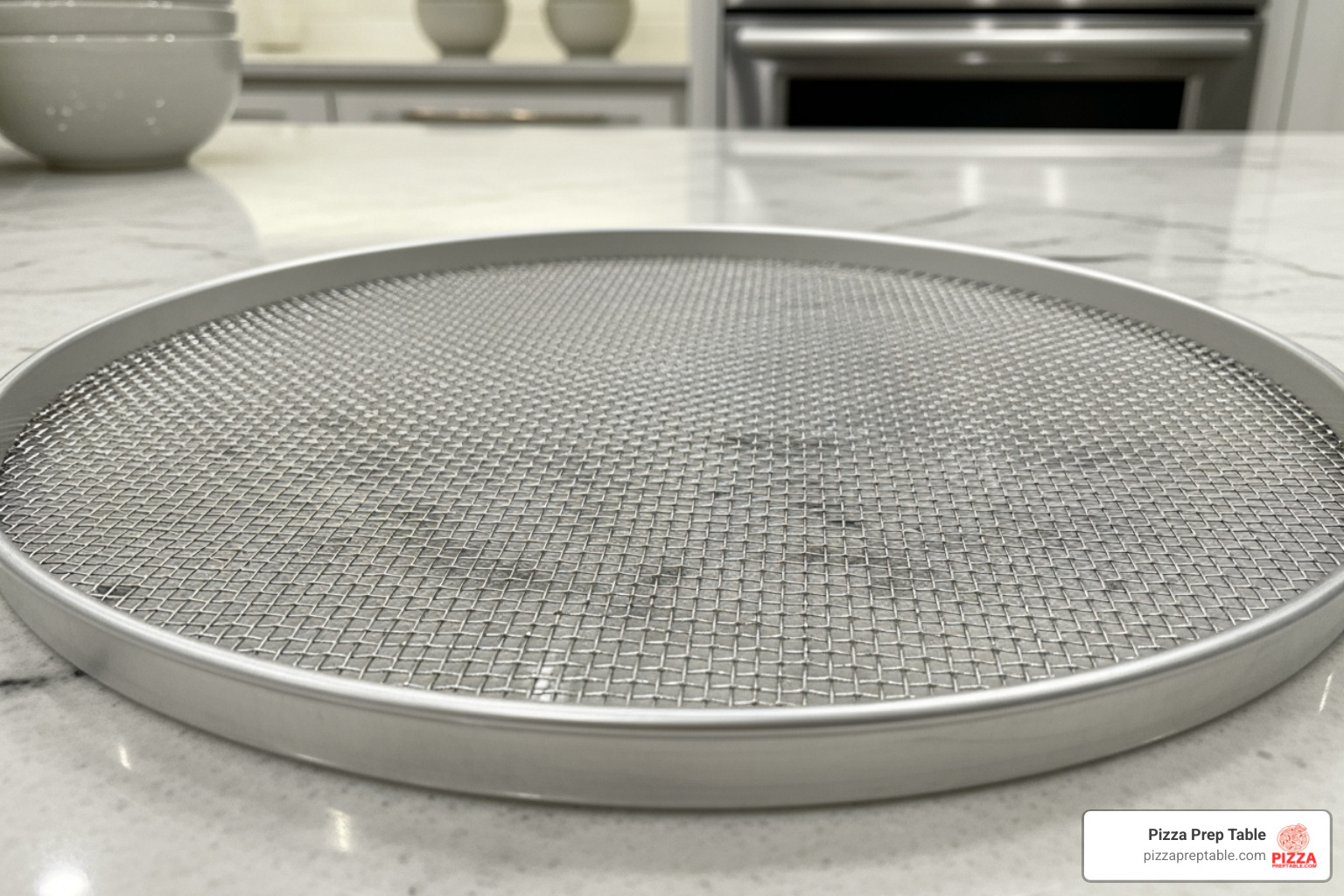
14 inch pizza screens are specialized baking tools with a mesh or perforated aluminum surface that allow hot air to circulate directly around your pizza crust, creating a crispier, more evenly baked base in less time than traditional solid pans.
Key benefits of 14 inch pizza screens:
- Superior crust texture - The mesh design allows moisture to escape, preventing soggy bottoms
- Faster baking - Better heat transfer means pizzas cook more quickly
- Versatile sizing - The 14-inch diameter fits medium to large pizzas, perfect for families or commercial kitchens
- Easy handling - Lightweight aluminum construction makes them simple to move from prep to oven
- Simple maintenance - Seamless construction prevents food buildup and makes cleaning easier
If you've ever pulled a pizza from the oven only to find a soggy, undercooked center, you know the frustration. The mesh design of a pizza screen solves this problem by allowing hot air to hit the dough from below, wicking away moisture and creating that golden-brown finish every pizzeria strives for.
Whether you're running a busy commercial kitchen or just want restaurant-quality results at home, the 14-inch size offers the sweet spot between capacity and versatility. It's large enough for generous portions but still fits in most standard ovens.
I'm Sean Kearney, and after years of helping restaurants outfit their kitchens with the right equipment, I've seen how 14 inch pizza screens transform pizza quality while improving kitchen efficiency. From my early days in sales to working with pizzerias on their equipment needs, I've learned that the right tools make all the difference in both product quality and profitability.
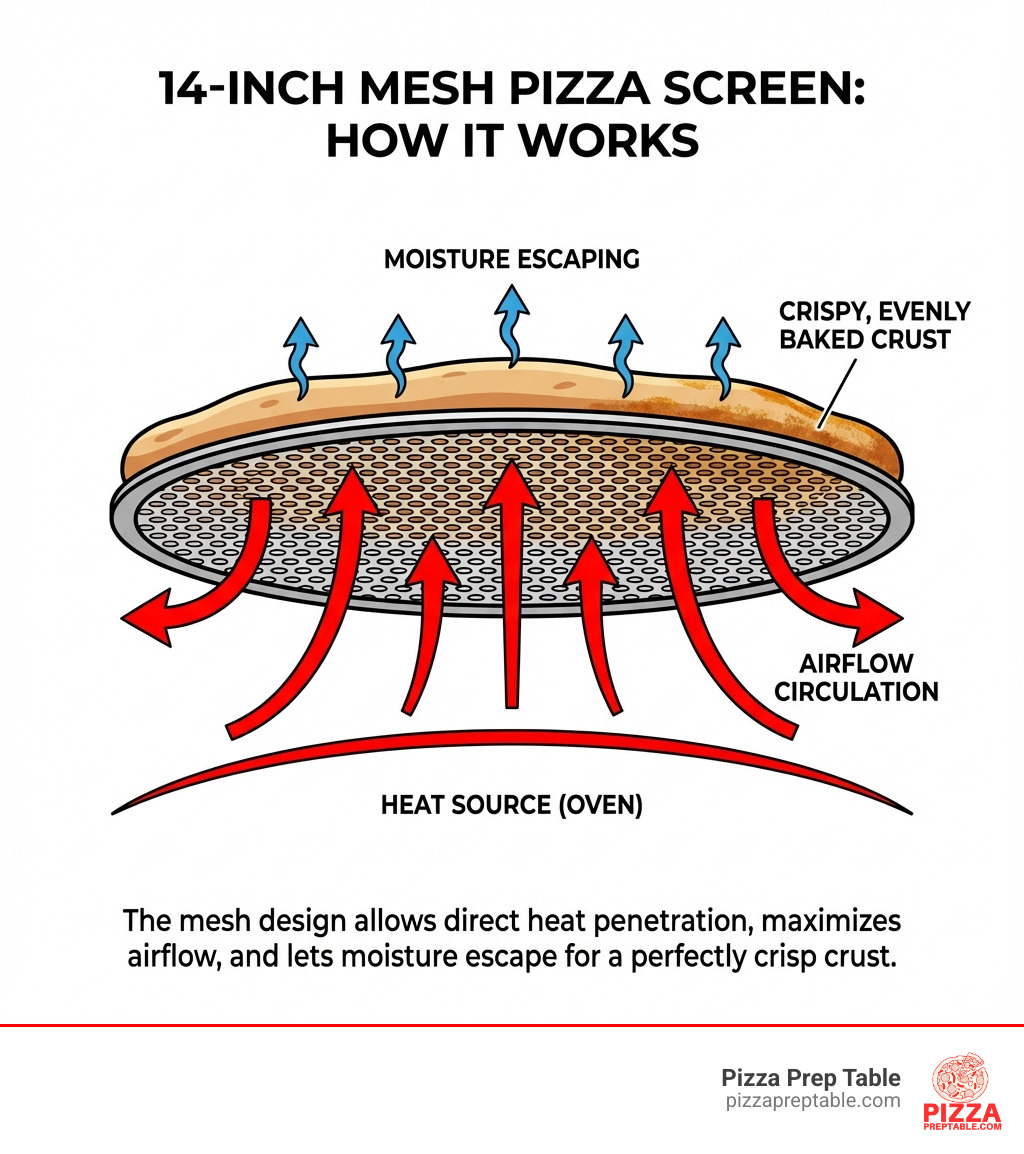
Essential 14 inch pizza screens terms:
Pizza Screen vs. Pizza Pan: The Crispy Crust Showdown
When it comes to baking a truly exceptional pizza, the choice of bakeware can make or break your crust. We often hear passionate debates about pizza stones versus steels, but the more fundamental comparison for many is between a traditional solid pizza pan and a specialized pizza screen. For those seeking that perfect crispy bottom, the 14 inch pizza screen often emerges as the undisputed champion.
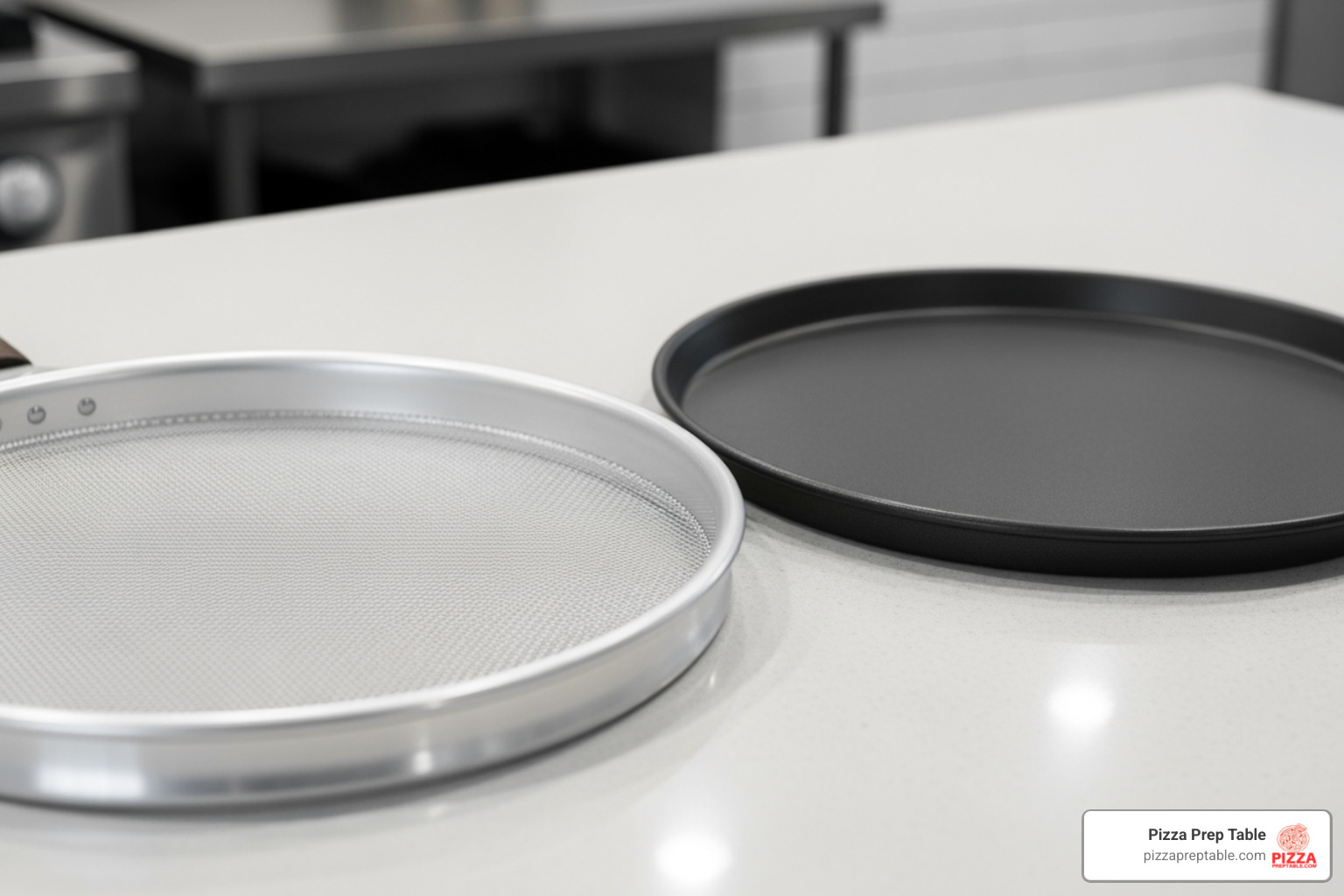
The primary distinction lies in how these tools interact with heat and moisture. A solid pizza pan, by its very nature, creates a barrier between the pizza dough and the oven's hot air. This can trap moisture, leading to a steamed, softer, or even soggy crust. While some prefer this style, it's not the ideal for a classic, crispy New York-style or Neapolitan pizza.
In contrast, a 14 inch pizza screen is designed with a mesh or perforated surface. This ingenious design allows for maximum air circulation directly underneath the crust. This means that as your pizza bakes, hot air can easily reach the bottom, promoting even cooking and, crucially, allowing moisture to escape. The result? A beautifully crisp, golden-brown crust that's cooked through, without any disheartening soggy spots. This superior airflow is what truly makes pizza screens a game-changer for achieving that desired texture.
Here's a quick comparison to highlight the differences:
| Feature | Pizza Screen | Solid Pizza Pan |
|---|---|---|
| Crust Crispiness | Excellent (allows moisture to escape) | Good to Poor (can trap moisture) |
| Bake Time | Faster (efficient heat transfer) | Slower (less direct heat to bottom) |
| Ease of Cleaning | Very Good (seamless, less food buildup) | Good (can have crevices for food) |
| Versatility | High (pizza, calzones, reheating, cooling) | Moderate (pizza, thicker crusts, transport) |
For a deeper dive into this culinary conundrum, explore more on the screen vs. pan debate.
Why the Mesh Design is a Game-Changer
The mesh design of a 14 inch pizza screen isn't just a stylistic choice; it's a fundamental engineering solution to a common pizza problem. Our research consistently highlights that the open mesh allows for superior airflow to the crust, helping create a crisp, golden finish every time. This means that instead of the bottom of your pizza steaming in its own moisture, that moisture is wicked away, contributing to a truly crispy base.
This efficient hot air flow is paramount for achieving consistent results, especially for thin-crust pizzas. It ensures that the heat penetrates the dough evenly, preventing both undercooked centers and burnt edges. For busy pizzerias where consistent quality and speed are key, this feature is invaluable. It helps us deliver that perfect, restaurant-quality crispness that keeps customers coming back.
When to Use a Pan Instead
While we sing the praises of the 14 inch pizza screen for its crisping prowess, there are certainly scenarios where a traditional solid pizza pan might be the better tool for the job. Not every pizza craves that super-crisp, airy bottom.
For instance, if you're venturing into the glorious world of deep-dish pizza, a solid pan is essential. It provides the structure needed to hold the thick dough and generous toppings, allowing the sides to bake up golden and the bottom to cook through without becoming too dry. Similarly, if your customers, or your family, prefer a softer, chewier crust, a pan can help achieve that texture by retaining more moisture during baking.
Solid pans are also excellent for transporting unbaked pizza dough without fear of spills or collapse, making prep work easier in a busy kitchen. They can also be useful for the initial proofing of dough, providing a contained environment before the pizza is ready for the heat. So, while screens are our go-to for crisp, pans still hold a valuable place in the pizza-making arsenal.
Anatomy of the Best 14 Inch Pizza Screens
Choosing the right 14 inch pizza screen is crucial for consistent, high-quality results. It's not just about the size; it's about the materials, construction, and design that contribute to its performance and durability. Think of it as the foundation for your perfect pizza – it needs to be robust, efficient, and well-designed.
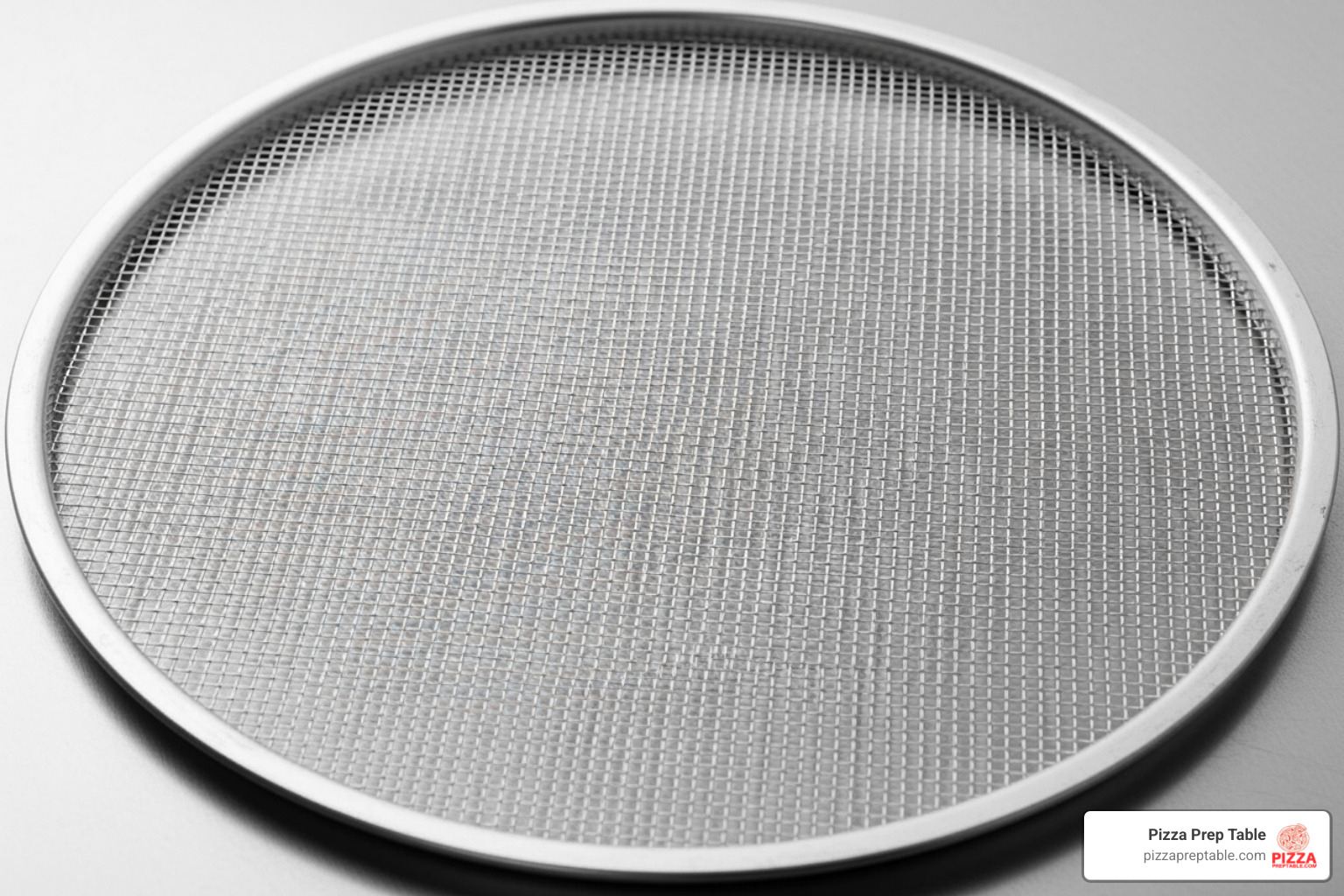
When we look at a quality screen, we're examining the material science and construction quality that allow it to withstand the rigors of a commercial kitchen. Durability is key, as these tools will be exposed to high temperatures repeatedly. For a quality example of what we offer, check out our selection of pizza screens.
Material Matters: Aluminum and Its Advantages
The vast majority of high-quality 14 inch pizza screens are crafted from aluminum, and for good reason. Aluminum offers a fantastic combination of properties that are ideal for pizza baking:
- Excellent Heat Conduction: Aluminum is renowned for its ability to transfer heat quickly and efficiently. This rapid heat transfer means the screen heats up fast and distributes that heat evenly across the entire bottom of your pizza. This quick heat transfer shortens bake times and improves kitchen efficiency, a critical factor for busy kitchens.
- Lightweight Handling: Despite its durability, aluminum is a lightweight metal. This makes 14 inch pizza screens easy to handle, load into ovens, and retrieve, even when laden with a hot pizza. This is a significant ergonomic benefit for staff in busy commercial environments.
- Durability for Commercial Use: Quality aluminum screens, especially those made from heavy-gauge material, are built to last. They can withstand repeated use in high-temperature ovens without warping or degrading, offering excellent corrosion resistance. Our research shows that a 14 gauge heavy-duty expanded aluminum offers exceptional durability.
- Corrosion Resistance: Aluminum naturally forms a protective oxide layer, making it resistant to rust and corrosion, which is important for longevity in a food service setting where regular washing is required.
While other materials like stainless steel exist for pizza screens (and we explore those in our screen time: top stainless steel pizza screens reviewed article), aluminum remains the industry standard for its superior heat performance and cost-effectiveness.
Key Features of Quality 14 Inch Pizza Screens
When purchasing a 14 inch pizza screen, several key features distinguish a high-quality, durable product from a lesser one:
- Seamless Construction: This is perhaps the most critical feature. A seamless pizza screen means the rim is formed from a single piece of aluminum, eliminating any rivets or welds. This design prevents food particles from getting trapped in crevices, making cleaning much easier and more hygienic. It also means there are no rivets to come undone, ensuring the screen's structural integrity and longevity. Our research highlights that seamless rims eliminate rough or bent edges for safer handling.
- Heavy-Duty Gauge Aluminum: The thickness of the aluminum, or its "gauge," directly impacts the screen's durability and resistance to warping under high heat. While specific gauges can vary, opting for a heavy-duty screen ensures it will stand up to the demands of a busy kitchen. Many commercial-grade screens are made from 14 gauge expanded aluminum, designed for resilience.
- Fine Mesh Pattern: The mesh needs to be open enough to allow maximum air circulation but fine enough to support the pizza dough without excessive sagging or dough seeping through the holes. The right mesh pattern ensures an evenly baked, crisp base by facilitating optimal hot air transfer.
- No Rough Edges: Beyond seamless construction, a well-finished screen will have smooth edges all around, preventing cuts or scrapes during handling. This is a small but important detail for safety and comfort in a environment.
These features ensure that your 14 inch pizza screens not only perform exceptionally well but also last longer, providing a better return on your investment.
Types of Pizza Screens
When we talk about 14 inch pizza screens, we're primarily referring to round, flat baking surfaces with an open design. However, there are nuances in their construction:
- Mesh Screens: These are the most common type, featuring a fine, expanded metal mesh. This design offers the best airflow and is ideal for achieving the crispiest crusts. Most of the benefits we've discussed, such as superior air circulation and moisture wicking, apply directly to mesh screens.
- Perforated Disks: While less common for the "screen" designation, some bakeware features a solid aluminum disk with strategically placed holes or perforations. These also allow for air circulation, though typically less aggressively than a full mesh screen. They can offer a slightly firmer base while still promoting some crispness.
- Coupe Style & Wide Rim: It's important to clarify that "coupe style" and "wide rim" typically refer to types of solid pizza pans, not screens. Coupe style pans have a very shallow depth and often a slightly sloped edge, while wide rim pans have a pronounced, flat edge. While some product listings might group them, the core "pizza screen" functionality relies on the mesh or perforations, not the rim style of a solid pan. For a comprehensive comparison of different pizza bakeware, including screens, we recommend consulting our complete guide to comparing pizza screens.
How to Use and Maintain Your Pizza Screen
Owning a 14 inch pizza screen is just the first step; knowing how to use it effectively and maintain it properly will open up its full potential and ensure its longevity. This isn't just about baking; it's about best practices that save time, reduce waste, and deliver consistently delicious results.
From understanding which ovens they shine in to learning the proper cleaning rituals, mastering these techniques will make your 14 inch pizza screens indispensable tools in your kitchen.
Best Ovens and Baking Techniques
14 inch pizza screens are incredibly versatile and can be used in a variety of oven types, each offering slightly different benefits:
- Conveyor Ovens: These are the workhorses of many commercial pizzerias. Our research confirms that the 14" / 35cm pizza screen is ideal for commercial use in conveyor ovens, providing an evenly baked crisp base due to the amount of hot air transfer. The screen allows for continuous, even cooking as the pizza moves through different heat zones.
- Deck Ovens: Common in traditional pizzerias, deck ovens provide intense, direct heat. Using a pizza screen here ensures that the bottom crust gets ample exposure to this heat, resulting in a beautifully crisp finish. Some chefs will start the pizza on the screen and then slide it directly onto the deck for the last few minutes to get an even crisper, more authentic char.
- Convection Ovens: Home bakers and many commercial kitchens use convection ovens. The forced air circulation in these ovens pairs perfectly with a pizza screen's design, enhancing the crisping effect. Users have noted using them effectively in convection ovens for pizzas and other baked goods.
- Home Ovens: Even standard home ovens benefit greatly from pizza screens. Placing the screen directly on the oven rack allows for better air circulation than a solid pan, helping home cooks achieve professional-level crispness.
For baking techniques, we often recommend starting the pizza on the screen. For very wet doughs, you can build the pizza on a floured surface and then transfer it to the screen just before baking to prevent sticking. Screens are also fantastic for par-baking crusts, creating a foundation that can be finished later, ensuring a consistent texture.
More Than Just Pizza: Other Uses
Don't let the name fool you – your 14 inch pizza screen is a multi-talented kitchen tool capable of much more than just baking pizzas. Its mesh design, which promotes air circulation, makes it useful for a variety of culinary tasks:
- Reheating Slices: Ever tried to reheat a leftover slice in the microwave only for it to turn soggy? Place it on your pizza screen in the oven, and the airflow will revive that crispy crust.
- Baking Calzones and Strombolis: Just like pizza, these folded delights benefit from even heat distribution and a crispy bottom.
- Cooking Breadsticks, Garlic Knots, and Flatbreads: The screen prevents these items from becoming greasy or soggy on the bottom, ensuring a uniform bake.
- Roasting Vegetables: Arrange vegetables on the screen for better air circulation, leading to more even roasting and less steaming. It's almost like an air-frying alternative for your oven!
- Cooling Rack: After baking, the screen makes an excellent cooling rack, allowing air to circulate around your baked goods to prevent condensation and sogginess.
- Cooking Frozen Foods: For items like frozen french fries, tater tots, or even frozen pizzas, the screen helps achieve a crispier texture than baking directly on a solid pan or baking sheet.
This versatility makes the 14 inch pizza screen a valuable asset for any kitchen.
Proper Care for Your 14 Inch Pizza Screens
To ensure your 14 inch pizza screens provide years of crispy pizza joy, proper cleaning and maintenance are essential. Aluminum screens, while durable, require specific care to maintain their quality and prevent issues like warping or corrosion.
- Hand Wash Only: This is crucial. Our research and expert experience consistently recommend hand washing aluminum screens. Use warm water, a mild dish soap, and a soft sponge or brush. Avoid abrasive scrubbers that can scratch the surface.
- Avoid Dishwashers: The harsh detergents and high heat of dishwashers can cause aluminum to discolor, pit, or even warp over time. It can also strip away any beneficial seasoning on the screen.
- Thorough Drying: After washing, dry your screens thoroughly with a clean towel or allow them to air dry completely. This prevents limescale buildup and helps avoid water spots or potential corrosion.
- Removing Baked-On Residue: For stubborn, baked-on food residue, our sources suggest a clever trick: boil the screen in a vinegar-water solution (e.g., 1 part vinegar to 2 parts water) for 4 to 5 minutes. This helps loosen the residue, making it easier to scrub off. Always allow the screen to cool before cleaning.
- Seasoning the Screen: Some users recommend lightly seasoning new aluminum screens with a thin coat of high-smoke-point oil (like vegetable or grapeseed oil) and baking it at a moderate temperature. This can create a non-stick surface and prevent dough from seeping into the holes. Be aware that seasoning might cause some smoke, so ensure good ventilation.
- Handle with Care: While durable, avoid cutting pizza directly on the screen. This can damage the mesh, dull your knife, and shorten the screen's lifespan. Always transfer your pizza to a cutting board first.
- Initial Cleaning for New Screens: Some manufacturers, as noted in our research, indicate that aluminum shavings can be a normal part of the manufacturing process. It's highly recommended to thoroughly wash new screens with warm, soapy water before first use to remove any such residue.
By following these simple care instructions, your 14 inch pizza screens will remain in excellent condition, ready to deliver perfectly crisp pizzas every time.
Finding the Perfect 14-Inch Screen for Your Needs
Selecting the ideal 14 inch pizza screen involves more than just picking one off the shelf. Considerations like your intended use (commercial vs. home), budget, and the specific features you prioritize all play a role. We're here to help you make an informed decision. You can explore a range of pizza screens in our collection.
Sizing Up: Why 14 Inches is a Popular Choice
The 14-inch diameter holds a special place in pizza, striking a perfect balance for many users.
- Ample Space for Medium to Large Pizzas: Our research consistently highlights that the 14-inch diameter offers ample space for generous portions, making it an excellent choice for busy pizzerias, concession stands, restaurants, and commercial kitchens. It's the ideal size for a "large" pizza in many establishments.
- Fits Most Standard Ovens: For both commercial and home use, a 14-inch screen is typically manageable within most conventional oven sizes, offering a good balance between pizza capacity and oven compatibility.
- Ideal for Families or Restaurants: This size is perfect for feeding a family or for restaurants needing a versatile option for their menu. It's large enough to satisfy multiple diners but still efficient to bake.
When compared to other common sizes:
- 10-inch screens: Excellent for personal pizzas or appetizers. While great for individual servings, a 14-inch screen offers significantly more real estate. See our 10-inch screen roundup for more.
- 12-inch screens: A popular "medium" size, suitable for smaller families or individual larger servings. The 14-inch offers a noticeable step up in overall pizza volume.
- 16-inch screens and larger: These are fantastic for extra-large pizzas, often found in high-volume pizzerias. However, they might be too large for some home ovens or require more specialized commercial equipment.
The 14-inch screen truly is the sweet spot, providing the capacity needed for substantial pizzas without being unwieldy.
What to Expect: Brands and Price Ranges
The market for 14 inch pizza screens offers a range of options, from budget-friendly choices for home use to professional-grade models built for the rigors of commercial kitchens. At PizzaPrepTable.com, we partner with reputable manufacturers to bring you quality options.
You'll typically find 14 inch pizza screens from brands like American Metalcraft, Winco, Vollrath, Choice, and Adexa. These brands are known for their durable aluminum construction and effective designs.
In terms of price, you can expect a fairly accessible range:
- Budget-Friendly Options (around $2.50 - $6.00): These are often standard-weight aluminum screens, perfectly adequate for home use or lower-volume commercial settings. Brands like Choice and some Winco models fall into this category. Our research showed prices as low as $2.69 and $2.82.
- Professional-Grade Models (around $6.00 - $15.00+): These screens often feature heavier-gauge aluminum, seamless construction, and improved durability designed for continuous, high-temperature use in busy pizzerias. Brands like American Metalcraft and Vollrath offer robust options in this range, with some prices noted at $5.07, $5.24, and $6.13, depending on the retailer and specific features.
While the exact price can fluctuate based on manufacturer, material gauge, and retailer, investing a bit more in a heavy-duty, seamless aluminum screen is often worthwhile for the increased longevity and consistent performance it provides.
Frequently Asked Questions about 14-Inch Pizza Screens
We understand you might have more questions about making the most of your 14 inch pizza screens. Here are some of the most common inquiries we receive:
Can I cut my pizza directly on the screen?
No, we strongly advise against cutting your pizza directly on the screen. The sharp edge of a pizza cutter or knife can damage the fine mesh of the screen, potentially creating burrs or even cutting through the material. This not only shortens the lifespan of your screen but can also dull your knife. Always transfer your freshly baked pizza to a cutting board or a solid serving tray before slicing.
How do I stop my pizza dough from sticking to the screen?
Dough sticking to the screen is a common concern, especially with wetter doughs. Here are a few tips to prevent it:
- Flour Generously: Ensure your pizza dough is adequately floured before placing it on the screen. A light dusting of cornmeal can also help create a barrier.
- Pre-Bake Transfer: For very wet or sticky doughs, consider preparing your pizza on a lightly floured countertop or a piece of parchment paper, and then carefully sliding it onto the screen just before transferring it to the oven. This minimizes the time the dough spends in direct contact with the mesh before it starts to firm up.
- Season Your Screen: As mentioned in our care instructions, lightly seasoning a clean screen with a thin coat of high-smoke-point oil (like vegetable oil) and baking it can help create a non-stick surface over time. Be mindful of potential smoke during this process.
Are aluminum pizza screens safe to use?
Yes, aluminum is a widely accepted and safe material for bakeware and food contact. It's used extensively in commercial kitchens and home settings due to its excellent heat conductivity and durability. Always wash new screens thoroughly before their first use to remove any manufacturing residues. Some products may carry a California Proposition 65 warning, which is a state requirement to inform consumers about potential exposure to certain chemicals. These warnings do not necessarily mean a product is unsafe, but rather that it contains a substance on the Prop 65 list. We always recommend checking the manufacturer's specific guidance if you have concerns.
Conclusion: Lift Your Pizza Game
The 14 inch pizza screen is far more than just a piece of kitchen equipment; it's a strategic tool that can fundamentally transform the quality of your pizza. From its ability to deliver an impossibly crispy crust to its efficiency in diverse oven environments, the benefits are clear. It's a must-have for anyone serious about achieving perfectly baked pizzas, whether you're a home enthusiast or managing a high-volume pizzeria.
By understanding the advantages of its mesh design, the durability of aluminum construction, and the simple steps for proper care, you're now equipped to make an informed choice. Investing in quality 14 inch pizza screens means investing in consistent, delicious results that will keep your customers and family coming back for more.
At PizzaPrepTable.com, we pride ourselves on supplying commercial pizza prep tables, restaurant equipment, and kitchen appliances for pizzerias and foodservice businesses across the nation. We understand that the right tools make all the difference. For a complete overview of essential pizzeria tools and to explore our wide selection of pizza screens and other equipment, check out our comprehensive guide on everything you need to know to buy pizza shop supplies.