

Dough-lightful Choices: Finding the Best Spiral Kneader Machine for Your Kitchen
Why Professional Bakers Choose Spiral Dough Kneaders
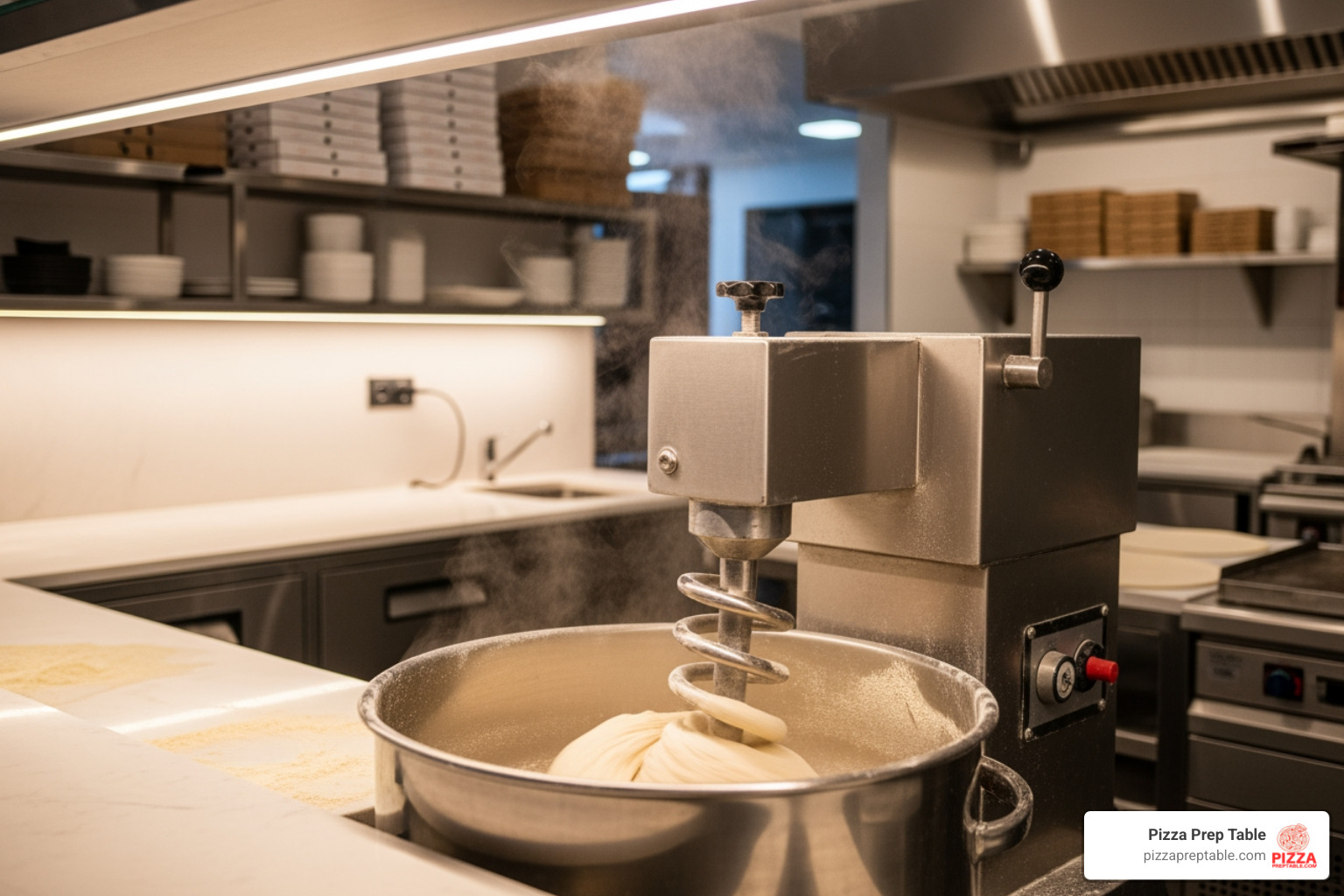
A spiral dough kneader is a professional mixing machine that uses a rotating spiral hook and bowl to efficiently knead dough and develop strong gluten networks. Here's what makes them a top choice for bakeries and pizzerias:
Key Advantages:
- Superior gluten development: Creates stronger, more elastic dough for better texture.
- Less heat buildup: Gentle kneading prevents dough from overheating.
- Larger batch capacity: Handles 20-60 quart batches with ease.
- Ideal for specific doughs: Perfect for bread, pizza, focaccia, and high-hydration doughs.
- Time savings: Reduces labor while maintaining consistent quality.
Typical Price Range: $500-$2,000+ depending on capacity and features.
Best For: Bakeries, pizzerias, restaurants, and serious home bakers.
For a new pizzeria or bakery, choosing the right mixer is crucial. A spiral dough kneader's technology differs significantly from standard stand mixers. It features a spiral-shaped agitator that rotates on a fixed axis while the bowl spins independently. This dual-action motion mimics hand-kneading, developing gluten without generating excessive heat.
The result is bakery-quality dough with superior texture, consistency, and rise. Unlike planetary mixers, which are general-purpose, spiral kneaders are engineered specifically for dough. They excel at handling tough, high-hydration doughs that would strain a standard mixer. Understanding this difference helps you invest in equipment that improves product quality and workflow efficiency.

If you want to dive deeper into the background of this technology, you can also read about the history of the dough mixer and how modern designs evolved to support better gluten development.
Glossary for spiral dough kneader:
What is a Spiral Dough Kneader and How Does It Work?
A spiral dough kneader is a specialized mixer designed to knead dough more efficiently than standard models. The machine features a spiral-shaped hook that rotates while the mixing bowl also spins. This combined action gently lifts, stretches, and folds the dough, mimicking hand-kneading. This process promotes optimal gluten development while minimizing friction and heat, keeping the dough at an ideal temperature. It also helps oxygenate the dough, which is vital for yeast activity.
The main components of a spiral dough kneader include:
- The Spiral Hook: A corkscrew-shaped agitator that rotates on its axis to gently stretch the dough.
- The Rotating Bowl: The bowl spins to ensure the entire dough mass contacts the hook, increasing efficiency.
- The Breaker Bar: A stationary bar inside the bowl that the dough presses against, enhancing the kneading action and ensuring thorough mixing.
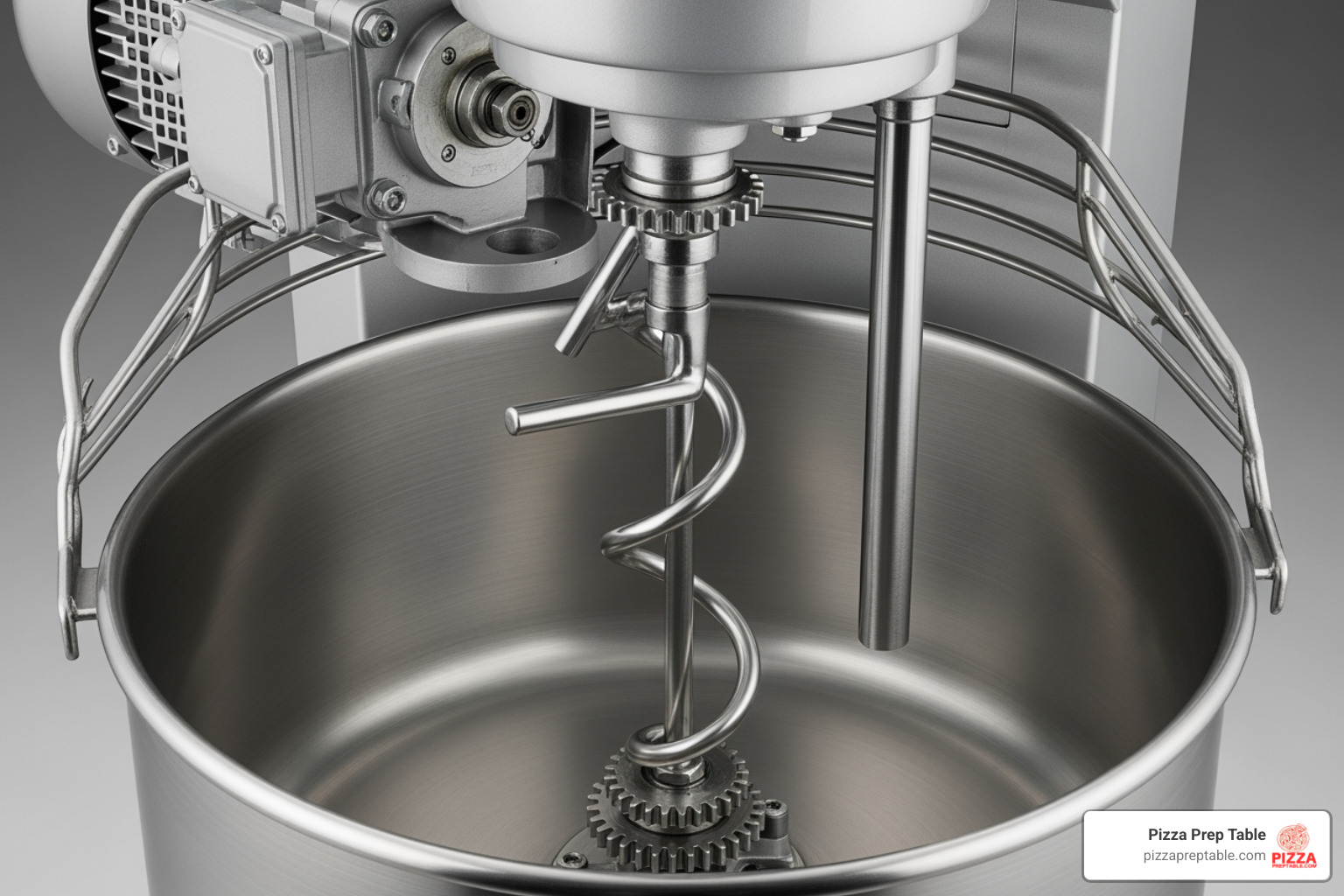
This design ensures uniform mixing, leading to a strong, elastic gluten network. For more insights into different types of dough mixers, check out our guide: More info about dough mixers.
The Science of Superior Gluten Development
The key to a spiral dough kneader is its ability to foster superior gluten development. Gluten provides dough its elasticity and structure, trapping gases from yeast for a good rise and a chewy texture. The spiral action develops these gluten networks without overworking them. The continuous, gentle motion aligns gluten strands, building strength and elasticity. This low-stress process minimizes heat buildup, which can damage gluten and result in a dense product.
This makes spiral mixers ideal for high-hydration doughs (e.g., ciabatta, focaccia), which require gentle mixing to develop their delicate structure. The result is improved texture, a better rise, and a more delicious product.
If you're curious about how spiral dough kneaders stack up against other options, we've got a detailed comparison: The ultimate guide to comparing planetary mixers.
Common Applications in Bakeries and Pizzerias
In professional kitchens, the spiral dough kneader is an indispensable workhorse for making outstanding dough. It makes production faster and more consistent.
Common applications include:
- Bread Dough: Handles everything from crusty white bread and whole wheat to ciabatta and brioche.
- Pizza Dough: This is where spiral dough kneaders truly shine, developing the ideal gluten structure for any pizza style.
- Focaccia: The gentle mixing is perfect for the high hydration and delicate texture of focaccia dough.
- Fresh Pasta: Efficiently handles dense doughs for a smooth, pliable consistency.
- Other Specialties: Also great for bagels, pretzels, and some enriched doughs.
A spiral dough kneader significantly reduces labor and ensures product uniformity, which is critical for high-volume businesses. To learn more about streamlining your operations, read our article on how to Reduce mixing time.
Choosing the Right Spiral Kneader: A Buyer's Guide
Selecting the perfect spiral dough kneader involves considering key features to match your production needs, space, and budget.
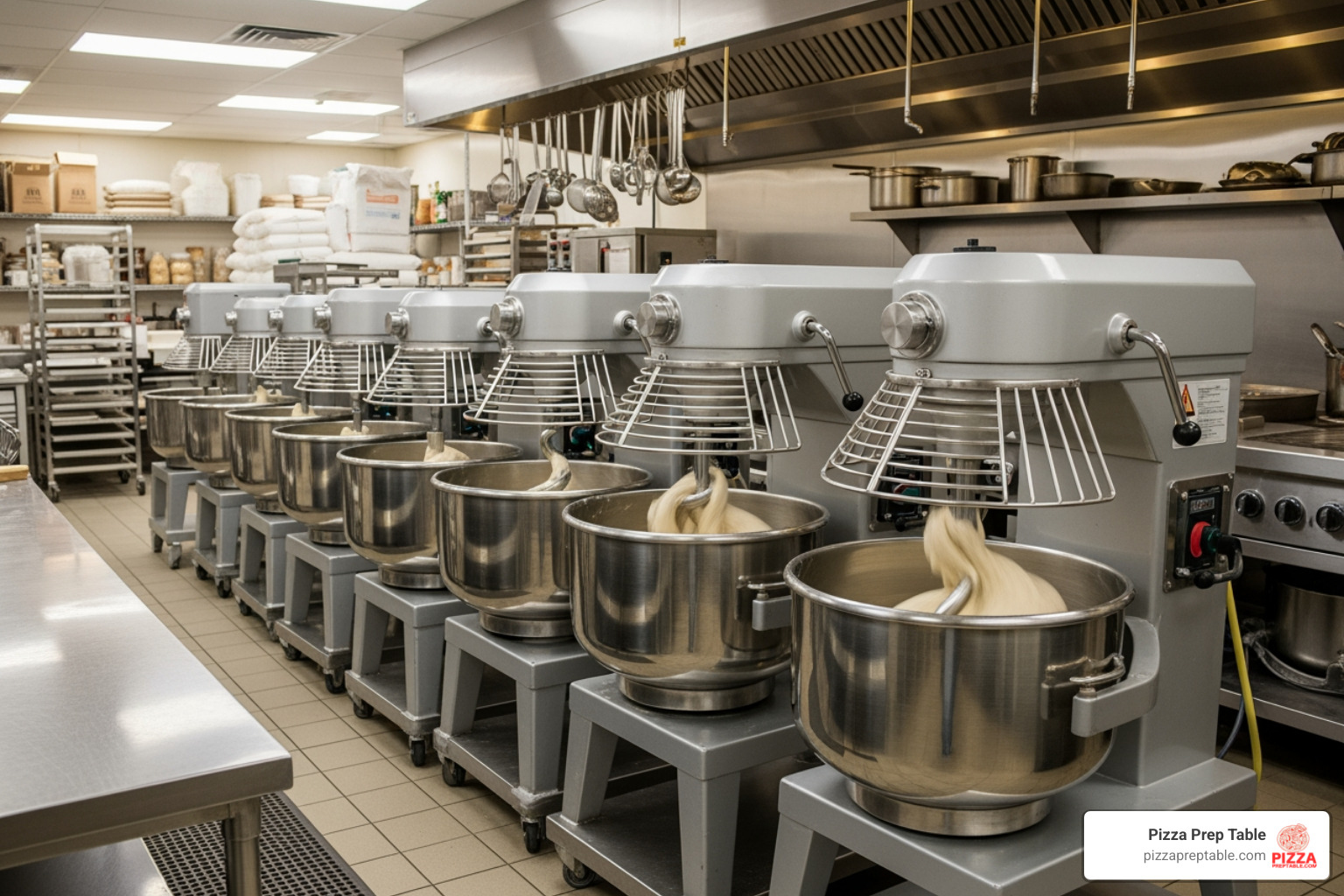
Focus on these critical factors:
- Capacity (Quarts/Liters): This is the most important factor. Commercial capacities often range from 20 to 60 quarts. Choose a model with slightly more capacity than your current daily volume to account for growth.
- Power (kW/HP): A powerful motor is essential for stiff or high-hydration doughs. Higher power ensures the mixer can handle heavy loads without straining, extending its lifespan.
- Speed Settings: Many commercial models offer multiple or variable speeds. This allows you to start slow to incorporate ingredients and increase speed for optimal gluten development.
- Bowl Type: Whether the bowl is fixed, tilting, or removable significantly impacts cleaning and dough extraction.
- Price Factors: Cost varies based on capacity, power, features (timers, digital controls), brand, and construction. Commercial units can range from $2,000 to $10,000+, but it's an investment in quality and efficiency.
Understanding these factors helps you choose a machine that will integrate into your workflow. For a broader perspective on sizing equipment, read our guide on How to choose a large mixer that fits your kitchen and your needs.
Key Features of a Commercial Spiral Dough Kneader
Commercial spiral dough kneaders need robust construction, efficiency, and safety features. Here's a breakdown of head types:
| Feature | Fixed-Head Spiral Mixers | Tilting-Head Spiral Mixers |
|---|---|---|
| Bowl Accessibility | Bowl is permanently fixed to the machine. | Head tilts back for easier bowl access. |
| Dough Extraction | Dough must be manually scooped out, which can be challenging for large batches. | Allows for easy dough extraction by tilting the head. |
| Cleaning | More difficult to clean thoroughly. | Significantly easier to clean, especially if the bowl is also removable. |
| Stability/Durability | Often considered more robust and stable, ideal for heavy-duty use. | Generally stable, but the tilting mechanism adds complexity. |
| Common Use | Common in medium-sized bakeries. | Preferred for operations valuing ease of cleaning and quick turnover. |
| Removable Bowl Option | Rare. | Can be paired with a removable bowl for ultimate convenience. |
Other crucial features include:
- Removable Bowl: A fantastic feature for sanitation and flexibility, allowing for thorough cleaning and easy transport of dough.
- Variable Speed Control: A game-changer for adapting to different doughs and managing temperature.
- Timer: A built-in timer with automatic shut-off ensures consistency and prevents over-mixing.
- Safety Guards: Protective screens reduce flour dust and prevent accidents. Emergency stop buttons are essential.
- Stainless Steel Construction: Food-grade stainless steel (like AISI304) is durable, hygienic, and resists corrosion.
These features are essential for efficiency, food safety, and the longevity of your investment.
Can I Use a Spiral Dough Kneader at Home?
Yes! The technology is now available in smaller models for home baking enthusiasts. A home spiral dough kneader can be a great investment if you're serious about bread or pizza.
Considerations for home use:
- Countertop Models: Many brands offer 5- to 10-liter (or quart) versions that fit in a home kitchen.
- Batch Size: A 5-10 liter model is usually sufficient for a few loaves of bread or several pizza crusts.
- Kitchen Space: Even countertop models are heavier and bulkier than a typical stand mixer, so measure your space.
- Investment Cost: They are more expensive than stand mixers, but the improved results are often worth it for frequent bakers.
For those who want bakery-quality results at home, a spiral dough kneader is a game-changer. If you're comparing options for pizza dough, our guide to Knead to know basis: Choosing the best stand mixer for pizza dough offers more insights.
Operating and Maintaining Your Machine
Proper usage and diligent maintenance are key to ensuring your spiral dough kneader delivers consistent performance and a long lifespan.
Proper Operation:
- Prepare and Add Ingredients: Measure ingredients precisely. Add dry ingredients first, then liquids.
- Secure and Set: Ensure the bowl is secure and locked. Set your desired speed (start low) and timer.
- Activate and Monitor: Start the mixer and monitor the dough. Most doughs are ready in 8-10 minutes.
- Stop and Remove: Once the dough is smooth and elastic, stop the mixer and remove the dough.
Safety Procedures:
- Read the manual: Familiarize yourself with your specific model.
- Use safety guards: Keep the bowl guard in place during operation to protect hands and reduce flour dust.
- Unplug before cleaning: Never clean or perform maintenance on a machine that is plugged in.
Essential Maintenance and Cleaning:
Daily cleaning is crucial for hygiene and performance.
- Disconnect Power: Unplug the mixer.
- Remove Excess Dough: Use a scraper to clean the bowl, hook, and breaker bar.
- Clean Parts: Wash removable parts in warm, soapy water. Wipe down all other surfaces with a damp cloth and mild detergent.
- Rinse and Dry: Rinse all parts thoroughly and dry completely to prevent rust.
- Reassemble: Reassemble the mixer once all parts are dry.
- Regular Inspection: Periodically check for wear and tear, loose parts, or unusual noises.
Following these guidelines will keep your spiral dough kneader in top condition. For more tips on commercial kitchen efficiency, explore From small batches to big business: The best dough mixing machines for commercial use.
Common Problems and Troubleshooting Tips
Even robust machines can have issues. Here are solutions to common problems:
Motor Overload: The motor strains or stops. This is often due to too large a batch or dough that is too stiff. Solution: Reduce the batch size and check your dough's hydration. Let the motor cool before resetting.
Dough Climbing the Hook: The dough works its way up the spiral hook. This usually means the dough is too sticky or too dry. Solution: Adjust your water-to-flour ratio. Starting at a lower speed can also help.
Unusual Noises or Vibrations: Clunking or grinding sounds. Solution: Turn off and unplug the machine. Check for foreign objects and ensure all components are secure. Persistent noise may require professional service.
Machine Not Starting: Nothing happens when you press start. Solution: Check that the machine is plugged in and that all safety interlocks (like the bowl guard) are properly engaged.
Inconsistent Dough Quality: Batches vary despite using the same recipe. Solution: Verify ingredient measurements (use a scale), water temperature, and mixing times/speeds are consistent for every batch.
Here's a quick checklist for you:
Top 5 Troubleshooting Checks
- Is it plugged in? Always check the power source first.
- Are all safety guards and interlocks engaged? The machine won't start if they aren't.
- Is the batch size appropriate for the mixer's capacity? Don't overfill it.
- Are there any foreign objects in the bowl or around the hook?
- Is the dough hydration correct for your recipe? Adjust if it's too wet or stiff.
Frequently Asked Questions about Spiral Kneaders
Here are answers to some of the most common questions we receive about spiral dough kneaders.
What types of dough are best for a spiral mixer?
Spiral dough kneaders are specialists that excel with doughs requiring significant gluten development. This includes:
- High-hydration doughs: Artisan breads like ciabatta, focaccia, and sourdough.
- Stiff doughs: Perfect for bagels, pretzels, and fresh pasta dough.
- Bread doughs: All kinds, from standard white loaves to whole wheat and brioche.
- Pizza dough: Ideal for developing the perfect elasticity for any pizza crust.
They are not designed for lighter tasks like whipping cream or mixing cake batters, where a planetary mixer is more suitable.
What are the main advantages over a planetary mixer for dough?
While planetary mixers are versatile, spiral dough kneaders offer distinct advantages for dough:
- Superior Gluten Development: The dual-action mixing creates stronger, more elastic gluten networks, resulting in better dough structure and texture.
- Less Heat Friction: The gentle action generates less heat, keeping the dough cool and preserving its flavor and structure.
- Handles Tougher Jobs: Spiral dough kneaders are built to handle larger and stiffer doughs more efficiently, making them ideal for high-volume production.
- Quieter Operation: Spiral mixers generally operate more quietly than planetary mixers, which is a plus in a busy kitchen.
For businesses dedicated to top-tier baked goods, the spiral dough kneader is the clear winner for dough-specific tasks. Dive deeper into this comparison with our guide: The ultimate guide to choosing the best pizza dough mixers.
What are some leading brands for spiral dough kneaders?
When sourcing equipment, we look for brands known for reliability, performance, and durability. Here are some leading names in the spiral dough kneader market:
- Hobart: Renowned for exceptional performance and reliability in the food service industry.
- Pizza Group: An Italian brand favored in the pizza industry for its robust construction and consistent results.
- Electrolux Professional: A global leader offering spiral kneaders known for their technical specifications and efficiency.
- American Eagle: Provides a solid range of durable and effective dough mixers for commercial kitchens.
These brands deliver machines that meet the demanding needs of bakeries and pizzerias. To explore more options, check out our selection: Rise to the occasion with these pizza dough kneading machines.
Conclusion: Lift Your Dough Game
Investing in a spiral dough kneader is an investment in the consistency, efficiency, and quality of your baked goods. For any pizzeria or bakery, the quality of your dough is the foundation of your success.
These specialized machines revolutionize dough production by providing unparalleled gluten development, minimizing heat buildup, and handling tough doughs with ease. This translates directly into better texture, superior rise, and a more delicious product that will keep customers coming back.
Whether you're scaling up production or aiming for that perfect artisan loaf, a spiral dough kneader is a smart investment. It reduces labor, ensures uniformity, and frees up your valuable time.
At Pizza Prep Table, we're dedicated to helping you make the best choices for your kitchen. We offer a wide selection of commercial kitchen equipment, including top-tier spiral dough kneaders, to help you achieve your culinary dreams. Ready to lift your dough game? Let us help you find the perfect machine for your business.
Mix it up! Finding the perfect spiral dough mixer for your business